Games consoles
The processors and graphics chips inside home and handheld consoles. 195 chips on EveryChip so far.
Games consoles have driven chip design since the 1970s. Each console uses a fixed set of chips for years, made in tens of millions, so its makers can afford custom designs. From the Atari 2600's TIA and the NES's Ricoh 2A03 to the PlayStation 2's Emotion Engine and the PlayStation 3's Cell, console chips were often unusual. Recent PlayStation and Xbox consoles use custom AMD SoCs.
Custom chips
Early consoles needed chips that could draw sprites and scroll backgrounds on a TV with very little memory. Later, the PlayStation 2's vector units and the Cell's eight helper cores gave great power to developers who mastered them. IBM supplied the processors of the GameCube, Wii, Xbox 360 and PlayStation 3 in the same years.
PC-like consoles
The PlayStation 4 and Xbox One of 2013 both used AMD SoCs with x86 CPU cores and Radeon graphics, and their 2020 successors use AMD Zen 2 and RDNA 2. Nintendo chose Nvidia's Tegra X1 for the Switch of 2017 and a newer Nvidia chip for the Switch 2 of 2025. Handheld gaming PCs, such as Valve's Steam Deck, also use AMD chips.
Famous games consoles chips

Further reading
 🇺🇸 United StatesCell Broadband Engine
A multi-core RISC processor pairing one PowerPC core with eight vector coprocessors.CPU · Power · 2007
 🇺🇸 United States and 1 moreMicrosoft XCPU (Xenon)
Three-core PowerPC CPU at the heart of the Xbox 360 consoleCPU · Power · 2003
 🇺🇸 United StatesAMD APU
AMD chips combining CPU and GPU on one dieCPU · x86 · 2011
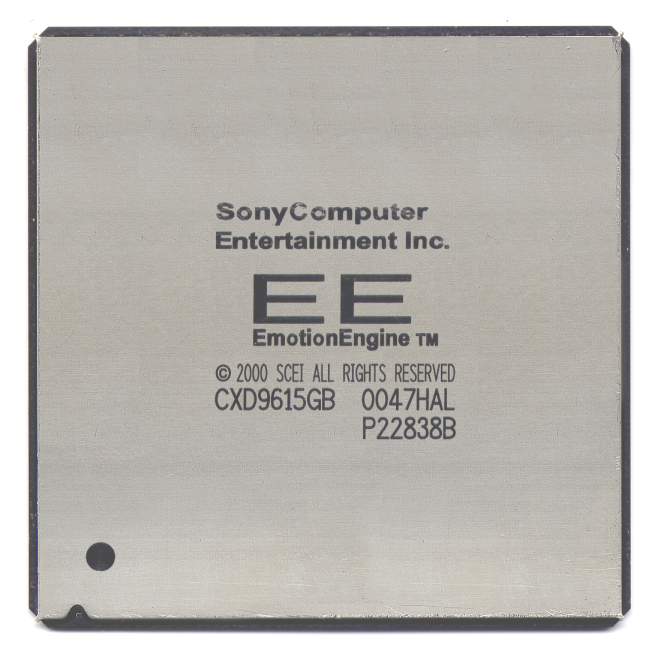 🇯🇵 JapanEmotion Engine
Sony and Toshiba's CPU for the PlayStation 2 consoleCPU · MIPS · 1999
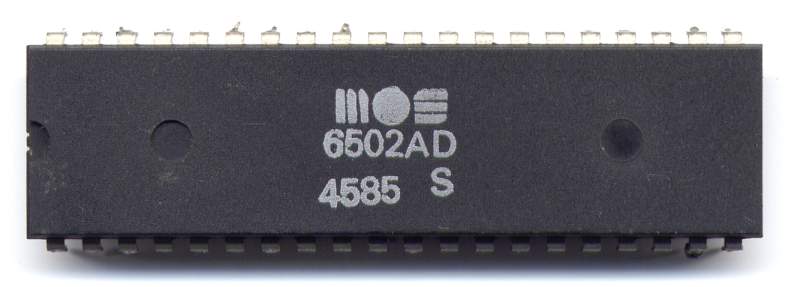 🇺🇸 United StatesMOS Technology 6502
An 8-bit microprocessor from 1975 that made cheap home computing possibleCPU · 8-bit · 1975
 🇺🇸 United StatesJaguar
Low-power x86 microarchitecture for consoles and embedded systemsCPU · x86 · 2013
 WorldMOS 6507
A low-cost 8-bit 6502 variant in a 28-pin package with an 8 KB address rangeCPU · Other · 1975
 🇺🇸 United States and 1 moreDEC T-11
DEC's first single-chip PDP-11 microprocessor, built for embedded control workCPU · Other · 1982
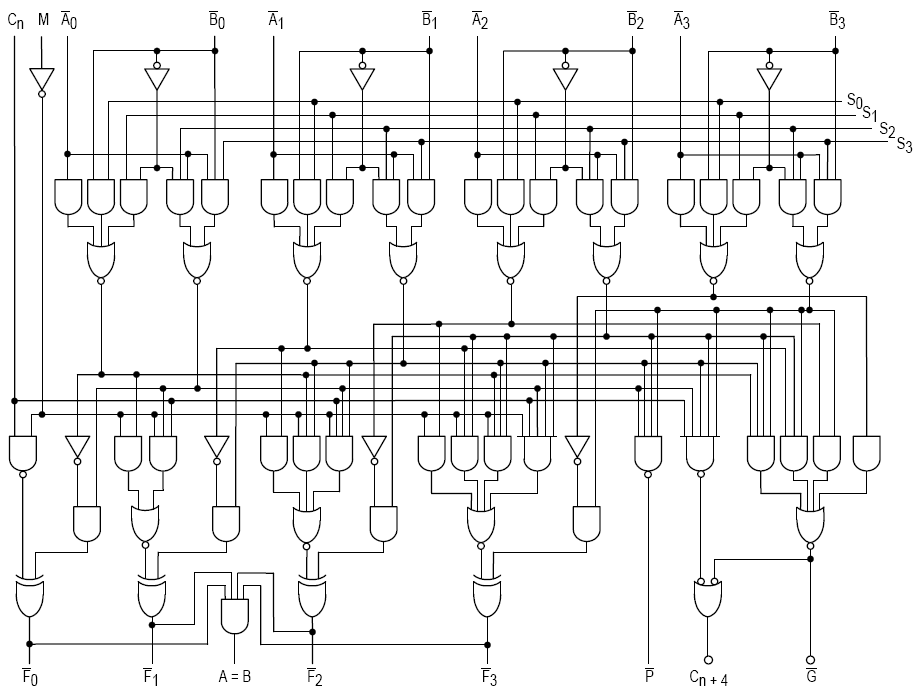 🇺🇸 United States74181
4-bit slice ALU, the first complete arithmetic logic unit on one chipCPU · Other · 1970
 🇯🇵 JapanRicoh 2A03
8-bit CPU and sound chip for the Nintendo Entertainment SystemCPU · 68k · 1983
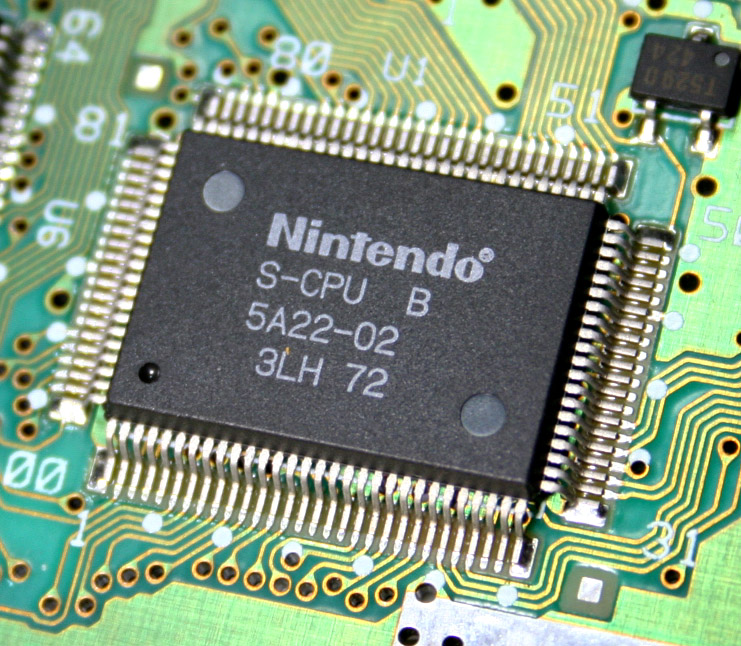 🇯🇵 JapanRicoh 5A22
Custom CPU for the Super Nintendo Entertainment SystemCPU · 8-bit
 🇺🇸 United StatesPowerPC 7xx
Third-generation 32-bit PowerPC microprocessor family for PCs and embedded systems.CPU · Power · 1997
 🇺🇸 United StatesMotorola 68010
16/32-bit microprocessor with virtual memory support from 1982CPU · 68k · 1982
 🇩🇪 Germany and 3 moreU880
East German clone of the Zilog Z80 microprocessorCPU · Other · 1980
 🇯🇵 JapanNEC V60
32-bit CISC microprocessor family from NEC for embedded and arcade useCPU · Other · 1986
 🇺🇸 United StatesR3000
32-bit RISC microprocessor chipset from MIPS Computer SystemsCPU · MIPS · 1988
 🇺🇸 United StatesR5000
64-bit MIPS microprocessor for workstations and embedded systemsCPU · MIPS · 1996
 🇺🇸 United StatesLarrabee
Cancelled Intel x86-based GPGPU project that became the Xeon Phi lineGPU · x86 · 2009
 🇺🇸 United States and 1 moreEspresso
32-bit PowerPC CPU for the Nintendo Wii U consoleCPU · Power · 2012
 🇺🇸 United States and 1 moreRyzen 9 9950X3D
16-core desktop CPU with stacked 3D V-Cache for gaming and creationCPU · x86 · 2025
🇺🇸 United StatesARM Cortex-A78
64-bit ARMv8.2-A CPU core designed by ARM for mobile and embedded devices.CPU · Arm · 2020
 🇺🇸 United StatesGeneral Instrument CP1600
A 16-bit microprocessor from 1975, best known inside the Intellivision consoleCPU · Other · 1975
 🇺🇸 United StatesPentium III
Intel's 32-bit P6 desktop and server CPU line, launched in 1999 with SSE.CPU · x86 · 1999
 🇺🇸 United StatesMotorola 68000
A 16/32-bit CISC microprocessor introduced by Motorola in 1979CPU · 68k · 1979
 🇺🇸 United StatesSignetics 2650
8-bit microprocessor from 1975 modelled on the IBM 1130 minicomputerCPU · 8-bit · 1975
 🇺🇸 United StatesZilog Z80
An 8-bit microprocessor released in 1976 that became a staple of early personal computing and embedded systems.CPU · Other · 1976
 🇺🇸 United StatesRCA 1802
8-bit CMOS microprocessor family from RCA, first of its kindCPU · 8-bit · 1974
 🇺🇸 United StatesZen 2
AMD's seventh-nanometre processor design used in Ryzen, Epyc and game consoles.CPU · x86 · 2019
 WorldARM7
A family of 32-bit RISC cores licensed by ARM for microcontroller useCPU · Arm · 1993
🇺🇸 United StatesGulftown
Intel's six-core 32 nm desktop and server processor, sold as Core i7 and XeonCPU · x86 · 2010
🇺🇸 United StatesTiger Lake
11th generation mobile processors from Intel using Willow Cove coresCPU · x86 · 2020
 🇺🇸 United StatesTMS34010
First programmable graphics processor integrated circuitGPU · Other · 1986
 🇯🇵 JapanNEC μCOM series
NEC microprocessor and microcontroller family from the 1970s and 1980sCPU · x86 · 1973
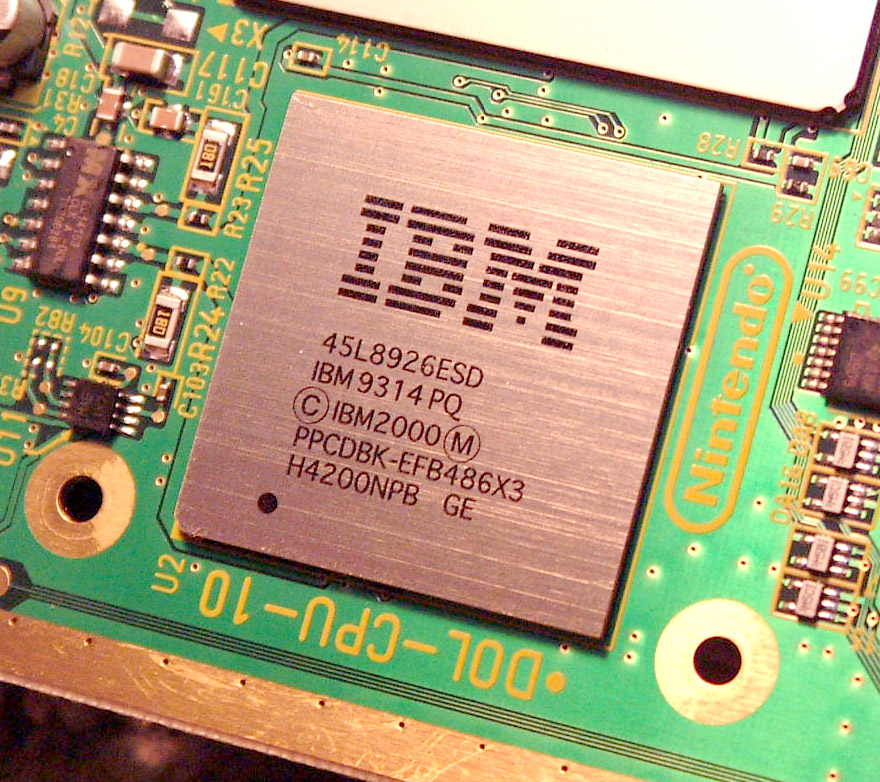 🇺🇸 United StatesGekko
Custom PowerPC CPU for the Nintendo GameCubeCPU · Power · 2000
 🇺🇸 United StatesBroadway
32-bit PowerPC CPU for the Nintendo Wii consoleCPU · Power · 2006
🇺🇸 United StatesMotorola 68000 series
32-bit CISC microprocessor family from MotorolaCPU · 68k · 1979
 🇯🇵 JapanHuC6280
8-bit microprocessor for the TurboGrafx-16 consoleCPU · 8-bit
 🇯🇵 JapanNEC µPD780C
Zilog Z80 compatible 8-bit microprocessor by NECCPU · Other
 🇺🇸 United StatesIntel Core
Multi-core x86 CPU family for PCs and servers by IntelCPU · x86 · 2006
 🇺🇸 United StatesIntel Core
Multi-core x86 CPUs for PCs, workstations and servers.CPU · x86 · 2017
🇺🇸 United StatesZilog Z80
An 8-bit microprocessor that powered early personal computers and game consoles.CPU · Other · 1976
🇺🇸 United StatesMOS Technology 6502
Low-cost 8-bit microprocessor that powered the home computer revolutionCPU · Other · 1975
 🇺🇸 United StatesZilog Z80
An 8-bit microprocessor that powered early personal computers and game consoles.CPU · Other · 1976
🇺🇸 United StatesPower Processing Element
64-bit PowerPC core for PlayStation 3 and Xbox 360CPU · Power · 2005
🇺🇸 United StatesPhysX P1
Dedicated microprocessor for video game physics calculationsCPU · MIPS · 2006
 🇺🇸 United StatesPentium
Intel's first superscalar x86 microprocessor, introducing dual pipelines and the Pentium brand in 1993.CPU · x86 · 1993
Photo credits on this page
The small pictures above come from Wikimedia Commons under free licences. Some are cropped to fit.
- Cell Broadband Engine: Greenpro, CC BY-SA 3.0, source
- Microsoft XCPU (Xenon): Konstantin Lanzet, CC BY 3.0, source
- AMD APU: Wikiinger, CC0, source
- Emotion Engine: Unknown author, CC BY-SA 3.0, source
- MOS Technology 6502: Dirk Oppelt, CC BY-SA 3.0, source
- Jaguar: Fritzchens Fritz, CC0, source
- MOS 6507: Konstantin Lanzet, CC BY 3.0, source
- DEC T-11: Pauli Rautakorpi, CC BY 3.0, source
- 74181: Unknown author, CC BY-SA 3.0, source
- HuC6280: The original uploader was Baz1521 at Japanese Wikipedia ., CC BY-SA 3.0, source
- General Instrument CP1600: Evan-Amos, CC BY-SA 3.0, source
- Pentium III: Konstantin Lanzet, CC BY-SA 3.0, source
- Motorola 68000: en:User:ArnoldReinhold, CC BY-SA 3.0, source
- Signetics 2650: Konstantin Lanzet, GFDL, source
- Pentium: Pdesousa359, CC BY-SA 3.0, source
- Zilog Z80: Zilog Inc., Public domain, source
- RCA 1802: Konstantin Lanzet (with permission), CC BY-SA 3.0, source
- Zen 2: Fritzchens Fritz, CC0, source
- Nehalem: smial ( talk ), FAL, source
- ARM7: Raimond Spekking, CC BY-SA 4.0, source
- TMS34010: Konstantin Lanzet, CC BY 3.0, source
- NEC μCOM series: Konstantin Lanzet, CC BY-SA 3.0, source
- Gekko: Baz1521, CC BY-SA 3.0, source
- Broadway: ZyMOS, CC BY-SA 4.0, source
- Ricoh 2A03: PantheraLeo1359531, CC BY 4.0, source
- Ricoh 5A22: Yaca2671, CC BY-SA 3.0, source
- PowerPC 7xx: Henrik Wannheden, Public domain, source
- Motorola 68010: Konstantin Lanzet (with permission), CC BY-SA 3.0, source
- U880: Konstantin Lanzet (with permission), CC BY-SA 3.0, source
- NEC V60: Pauli Rautakorpi, CC BY 3.0, source
- R3000: Pauli Rautakorpi, CC BY 3.0, source
- R5000: Konstantin Lanzet, CC BY-SA 3.0, source
- NEC µPD780C: Konstantin Lanzet, CC BY-SA 4.0, source
- Intel Core: PantheraLeo1359531, CC BY 4.0, source
- Larrabee: Intel, CC BY-SA 3.0, source
- Tegra: Raimond Spekking, CC BY-SA 4.0, source
- Zilog Z80: User Baz1521 on ja.wikipedia, CC BY-SA 3.0, source
- Espresso: Henriok, CC0, source
- Ryzen 9 9950X3D: MoreThanTech, CC BY 3.0, source