CPUs and microprocessors
The 4004, 8086, 68000, Pentium, Athlon, Core, Ryzen, Xeon and EPYC: general-purpose processors. 505 chips on EveryChip so far.
A central processing unit (CPU) is the general-purpose processor of a computer: it fetches instructions from memory, decodes them and carries them out, one after another, very fast. A microprocessor is a CPU built on a single chip. The first commercial one, the Intel 4004, arrived in 1971 with 2,300 transistors. Today's server CPUs have tens of billions of transistors and up to a few hundred cores.
What is inside
A CPU core has a control unit that decodes instructions, arithmetic units that add, multiply and compare, registers that hold the numbers being worked on, and caches, small fast memories that keep recently used data close. Modern cores run a pipeline, in which several instructions are in different stages at once, and guess which way branches will go so that the pipeline stays full.
From one core to many
For about thirty years CPUs got faster mainly by raising the clock speed. Around 2004 power and heat stopped that climb near 4 GHz, and designers turned to putting several cores on one chip instead. AMD and Intel shipped dual-core PC processors in 2005. Today a phone CPU may mix large fast cores with small efficient ones, and server chips are often built from several chiplets in one package.
Famous CPU chips
 Intel 4004The first commercial microprocessor, 1971
 Intel 80861978; began the x86 line still used in PCs
 Motorola 6800032-bit design inside the first Macintosh
 PentiumIntel's 1993 superscalar x86 chip
 Athlon 64First 64-bit x86 desktop processor, 2003ZenAMD's 2017 core design behind Ryzen and Epyc
 EpycAMD's chiplet server processors
Further reading
 🇺🇸 United StatesApple M3
Apple's 3 nm Mac and iPad SoC family with CPU, GPU and Neural EngineSoC · Arm · 2023
🇺🇸 United StatesGoldmont Plus
Low-power Atom microarchitecture for Celeron and Pentium Silver SoCsCPU · x86 · 2017
 🇮🇱 IsraelSunny Cove
Intel's 2019 CPU core design for Ice Lake mobile and Xeon server chipsCPU · x86 · 2019
 🇺🇸 United States and 2 moreMeteor Lake
Intel's first chiplet-based mobile Core Ultra processors, launched December 2023CPU · x86 · 2023
 🇺🇸 United States and 1 morePentium M
Intel's power-saving laptop CPU line, launched in 2003 on the P6 designCPU · x86 · 2003
 🇺🇸 United StatesAlder Lake
Intel's 12th-gen hybrid x86 CPUs mixing performance and efficiency coresCPU · x86 · 2021
 🇺🇸 United StatesIntel 80387SX
Floating-point coprocessor for the Intel 80386SXCPU · x86 · 1987
 🇺🇸 United StatesRapidCAD
A 486DX in a 386 socket, with a dummy FPU chip to match.CPU · x86
 🇺🇸 United StatesXeon
Intel's x86 processor brand for servers, workstations and embedded systems since 1998CPU · x86 · 1998
 🇺🇸 United StatesIntel 80486SX
A 1991 Intel 486 CPU sold without a working floating-point unitCPU · x86 · 1991
🇺🇸 United StatesZen
AMD's processor microarchitecture family behind Ryzen, Threadripper and Epyc chipsCPU · x86 · 2017
 🇺🇸 United StatesWolfdale
Intel's 45 nm dual-core desktop and server core sold as Core 2 Duo, Pentium, Celeron and XeonCPU · x86 · 2008
 🇺🇸 United StatesPanther Lake
Intel's Core Ultra Series 3 mobile CPU line with tiled CPU, GPU and I/O diesCPU · x86 · 2026
 🇺🇸 United StatesPentium Pro
Intel's first sixth-generation x86 CPU, built for servers and workstationsCPU · x86 · 1995
🇺🇸 United StatesLynnfield
Intel's 2009 quad-core desktop CPU on the Nehalem design, socket LGA 1156.CPU · x86 · 2009
🇺🇸 United StatesClarksfield
Intel's quad-core mobile Core i7 chips on 45 nm NehalemCPU · x86 · 2009
 🇺🇸 United StatesZen+
AMD's 2018 Zen refresh on a 12 nm process, with faster clocks and lower latencyCPU · x86 · 2018
 🇺🇸 United StatesPOWER9
IBM's Power ISA server microprocessor family, built on 14 nm FinFET siliconCPU · Power · 2016
 🇺🇸 United StatesTMS9900
A 16-bit single-chip microprocessor from Texas Instruments, launched in 1976.CPU · Other · 1976
 🇺🇸 United StatesIvy Bridge
Intel's 22 nm tick microarchitecture featuring FinFET transistors and integrated graphics.CPU · x86 · 2012
 🇺🇸 United StatesPowerPC 600
Early PowerPC processor family for PCs, workstations and embedded gearCPU · Power · 1993
 🇺🇸 United StatesRyzen Threadripper
High-end desktop and workstation multi-core processors from AMDCPU · x86 · 2017
 🇺🇸 United StatesAMD APU
AMD chips combining CPU and GPU on one dieCPU · x86 · 2011
 🇺🇸 United States and 1 moreLunar Lake
Ultra-low power mobile SoC with on-package memory and an NPU for AI workCPU · x86 · 2024
 🇺🇸 United StatesZen 3
AMD microarchitecture released in 2020 with unified core complexes.CPU · x86 · 2020
🇺🇸 United StatesIntel 8086
16-bit microprocessor that introduced the x86 instruction set in 1978CPU · x86 · 1978
🇺🇸 United StatesZen 6
AMD microarchitecture for Ryzen and Epyc chipsCPU · x86
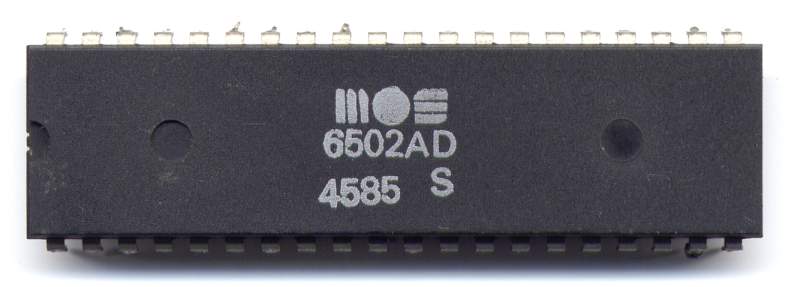 🇺🇸 United StatesMOS Technology 6502
An 8-bit microprocessor from 1975 that made cheap home computing possibleCPU · 8-bit · 1975
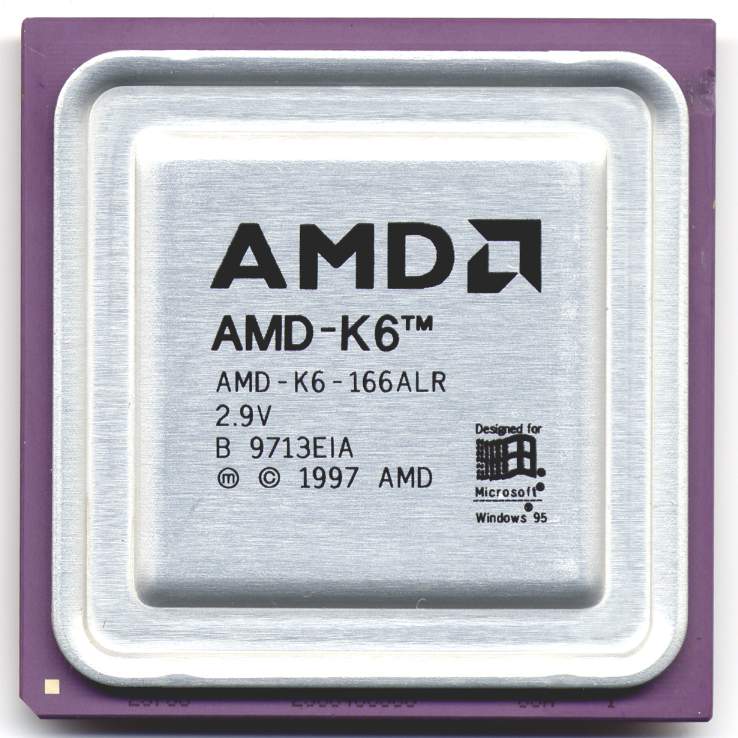 🇺🇸 United StatesAMD K6
x86 microprocessor for Socket 7 desktopsCPU · x86 · 1997
 🇺🇸 United StatesK6-2
x86 microprocessor with 3DNow! instructions for budget PCsCPU · x86 · 1998
 🇺🇸 United StatesAMD K6-III
x86 desktop processor with on-die L2 cacheCPU · x86 · 1999
 🇺🇸 United StatesAMD K8
First x86 microarchitecture with integrated 64-bit support and on-chip memory control.CPU · x86 · 2003
 🇺🇸 United StatesPiledriver
Second-generation AMD x86 microarchitecture for desktops and serversCPU · x86 · 2012
 🇺🇸 United StatesBobcat
Low-power x86 microarchitecture for AMD APUsCPU · x86 · 2011
🇺🇸 United StatesPuma
Low-power AMD microarchitecture for notebooks and tabletsCPU · x86 · 2014
 🇺🇸 United StatesAthlon 64 X2
First native dual-core desktop CPU from AMDCPU · x86 · 2005
 🇺🇸 United StatesIntel 8089
An I/O coprocessor that moved data for 8086 and 8088 systemsCPU · x86 · 1979
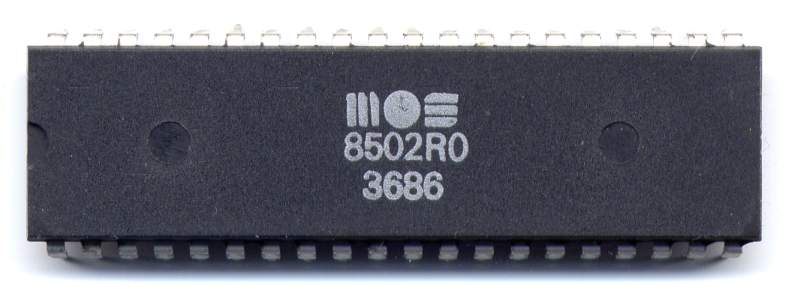 WorldMOS Technology 8502
An 8-bit CPU from MOS Technology that powered the Commodore 128CPU · 8-bit
 🇺🇸 United StatesAthlon X4
Budget quad-core desktop CPUs without integrated graphicsCPU · x86 · 2013
 🇯🇵 JapanHitachi 6309
Hitachi's CMOS 8-bit microprocessor, a faster and richer 6809CPU · 8-bit · 1985
 🇺🇸 United StatesAMD Turion
Low-power x86-64 mobile processors from AMDCPU · x86 · 2005
 🇺🇸 United StatesPhenom II
AMD multi-core desktop processors on the K10 microarchitectureCPU · x86 · 2008
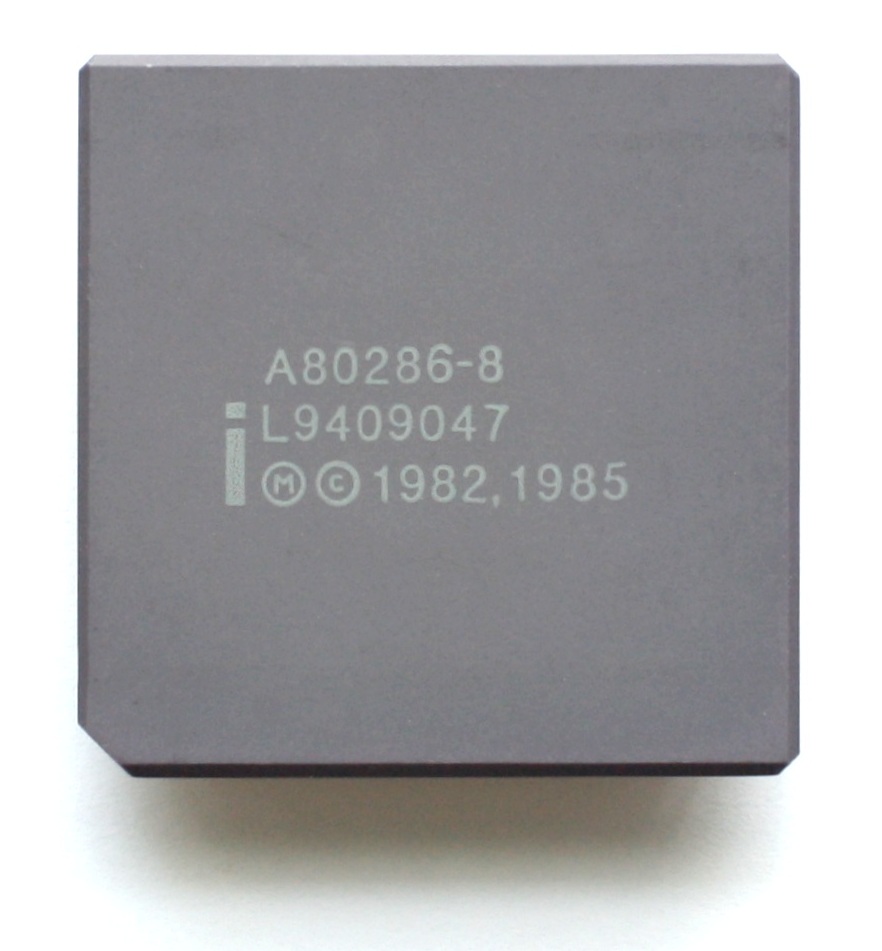 🇺🇸 United StatesIntel 80286
16-bit x86 CPU with protected mode and 24-bit addressing, launched in 1982CPU · x86 · 1982
 WorldAm486
AMD's 486-class processor family from the 1990sCPU · x86 · 1993
 🇺🇸 United StatesAm386
AMD's first independent x86 microprocessor cloneCPU · x86 · 1991
 🇺🇸 United StatesIntel 80486
32-bit x86 CPU with pipelined execution and on-chip cache, launched 1989CPU · x86 · 1989
 🇺🇸 United StatesAm5x86
High-speed 486-class CPU for legacy system upgradesCPU · x86 · 1995
 🇺🇸 United States and 1 moreDEC J-11
Two-chip CMOS implementation of the PDP-11 ISA for high-end DEC machinesCPU · Other
Photo credits on this page
The small pictures above come from Wikimedia Commons under free licences. Some are cropped to fit.
- Apple M1: Henriok, CC0, source
- Meteor Lake: Fritzchens Fritz, CC0, source
- Sunny Cove: Fritzchens Fritz, CC BY 2.0, source
- Intel 80486SX: Henry Mühlpfordt, CC BY-SA 3.0, source
- Pentium M: Raimond Spekking, CC BY-SA 4.0, source
- Alder Lake: Jacek Halicki, CC BY-SA 4.0, source
- Intel 80387SX: Konstantin Lanzet (with permission), CC BY-SA 3.0, source
- RapidCAD: Konstantin Lanzet (with permission), CC BY-SA 3.0, source
- Xeon: Rjluna2, CC BY-SA 4.0, source
- Wolfdale: Kyro, Public domain, source
- PowerPC 600: Konstantin Lanzet, CC BY-SA 3.0, source
- Pentium Pro: Thomas Nguyen, CC BY-SA 4.0, source
- Panther Lake: 极客湾Geekerwan, CC BY 3.0, source
- Zen+: Fritzchens Fritz, CC0, source
- POWER9: IBM España, Public domain, source
- TMS9900: Konstantin Lanzet, CC BY-SA 3.0, source
- Ivy Bridge: IrisChronomia, CC BY-SA 4.0, source
- Ryzen Threadripper: Geni, CC BY-SA 4.0, source
- Epyc: Smial ( talk ), FAL, source
- AMD APU: Wikiinger, CC0, source
- Lunar Lake: LaptopMedia, CC BY 3.0, source
- Zen 3: Fritzchens Fritz, CC BY 2.0, source
- Intel 8086: Thomas Nguyen, CC BY-SA 4.0, source
- MOS Technology 6502: Dirk Oppelt, CC BY-SA 3.0, source
- AMD K6: Unknown author, CC BY-SA 3.0, source
- K6-2: Unknown author, CC BY-SA 3.0, source
- AMD K6-III: Fritzchens Fritz, CC0, source
- AMD K8: Redfox, Public domain, source
- Piledriver: D-Kuru, CC BY-SA 4.0, source
- Bobcat: Brit robin, CC BY-SA 4.0, source
- Athlon 64 X2: Trio3D, CC BY-SA 3.0, source
- Intel 8089: Pauli Rautakorpi, CC BY 3.0, source
- MOS Technology 8502: Unknown author, CC BY-SA 3.0, source
- Athlon X4: Mizushiba-M, CC BY-SA 4.0, source
- Hitachi 6309: No machine-readable author provided. Lamune~commonswiki assumed (based, Public domain, source
- AMD Turion: cole8888, CC BY-SA 2.0, source
- Phenom II: D-Kuru, CC BY-SA 3.0 at, source
- Intel 80286: Konstantin Lanzet (with permission), CC BY-SA 3.0, source
- Am486: No machine-readable author provided. Denniss assumed (based on copyrig, CC BY-SA 2.5, source
- Am386: Raimond Spekking, CC BY-SA 4.0, source
- Intel 80486: Thomas Nguyen, CC BY-SA 4.0, source
- Am5x86: Konstantin Lanzet, CC BY-SA 3.0, source
- DEC J-11: Konstantin Lanzet, CC BY-SA 3.0, source
- Intel 4004: the Science Museum, CC BY 4.0, source
- Motorola 68000: en:User:ArnoldReinhold, CC BY-SA 3.0, source
- Pentium: Pdesousa359, CC BY-SA 3.0, source
- Athlon 64: Astraera, CC BY-SA 4.0, source