
Athlon 64
A single-core x86-64 microprocessor by AMD for desktops and laptops.
AMD launched the Athlon 64 on September 23, 2003 as its first consumer-grade 64-bit processor. It introduced the K8 architecture with an integrated memory controller to compete directly with Intel's Pentium 4 line.
- First consumer 64-bit processor from AMD, released September 2003.
- Integrated memory controller reduced latency significantly.
- Supported MMX, SSE, SSE2, SSE3, and AMD64 instruction sets.
- Clock speeds ranged from 1.0 GHz to 3.2 GHz.
- Succeeded by the dual-core Athlon 64 X2 line.
What it is
The Athlon 64 is a ninth-generation microprocessor developed by Advanced Micro Devices. Released in late 2003, it marked AMD's entry into the mainstream 64-bit computing market for average consumers. Built on the K8 architecture, it succeeded the Athlon XP and competed against Intel's Pentium 4 series. The chip supported both 32-bit and 64-bit software through the AMD64 instruction set. It was available in several variants, including high-end FX models and mobile versions later rebranded as Turion 64.
How it came about
Originally codenamed ClawHammer, the Athlon 64 debuted alongside the Opteron server chip. Early production faced manufacturing bottlenecks, limiting output to roughly 100,000 units monthly. AMD quickly refined the design with new cores like Newcastle, Winchester, Venice, and San Diego. These updates moved from 130nm to 90nm processes and improved cache sizes. In 2006, the Orleans core added DDR2 support via Socket AM2. The line concluded with low-power Neo processors in 2009 before being fully replaced by dual-core X2 models.
Inside the chip
The K8 architecture placed the memory controller directly on the CPU die, reducing latency compared to previous northbridge designs. This allowed the processor to communicate with RAM at full speed without relying on the front-side bus. Communication with other system components used the HyperTransport interface. The chip featured enhanced translation lookaside buffers and improved branch prediction to boost instructions per cycle. It also included the NX bit for hardware-level security against buffer overflow attacks.
How it was made
Manufacturing began on a 130nm process and transitioned to 90nm silicon-on-insulator technology. Later revisions utilized dual stress liner techniques co-developed with IBM to improve performance. Final models were produced using a 65nm process. The chips varied in package size depending on the socket type, ranging from desktop sockets like 939 and AM2 to mobile formats. An integrated heat spreader protected the silicon die during installation.
Where it went
The primary target was the personal computer market, serving as AMD's main consumer CPU. It powered desktop systems competing with Intel's offerings. Mobile variants, known as Turion 64, targeted ultra-portable notebooks with power-saving features like Cool'n'Quiet. High-performance FX models catered to enthusiasts and gamers. The architecture also supported multi-processor setups through NUMA configurations in later FX iterations.
Versions and family
The lineup included standard Athlon 64, the enthusiast-focused Athlon 64 FX, and the mobile Turion 64. Dual-core versions emerged as the Athlon 64 X2, featuring Manchester, Toledo, Windsor, and Brisbane cores. Core revisions evolved from ClawHammer to Newcastle, Winchester, Venice, San Diego, Orleans, and Brisbane. Each update typically increased cache size or switched fabrication nodes. The FX series offered unlocked multipliers for overclocking.
Why it matters
The Athlon 64 established AMD as a serious competitor in the 64-bit era, challenging Intel's dominance. Its efficient architecture and performance often surpassed rival products in benchmarks. The introduction of the on-die memory controller became a standard feature in subsequent processor designs. AMD briefly surpassed Intel in US retail sales following the launch of dual-core variants. The K8 architecture laid the groundwork for future AMD desktop and server processors.
Problems and reception
Reviewers praised the chip's performance and efficiency compared to contemporaries. PC World labeled it the fastest processor available upon release. However, early supply shortages hindered widespread availability. Some critics noted the lack of DDR2 support in initial models. The naming scheme for mobile variants was considered confusing due to its reliance on performance ratings rather than clock speeds.
Questions people ask about Athlon 64
What made the Athlon 64 different from earlier AMD chips?
It was the first AMD processor to support 64-bit computing for consumers. It also moved the memory controller onto the CPU die, which lowered latency and improved data transfer speeds compared to previous designs that relied on external chipsets.
Which sockets did the Athlon 64 use?
The processor was available for multiple socket types over its lifespan. These included Socket 754, Socket 939, Socket 940, Socket AM2, AM2+, and Socket F. Each socket supported different memory types and features.
Did the Athlon 64 support DDR2 memory?
Initial models only supported DDR memory. Support for DDR2 SDRAM was added later with the Orleans core revision in May 2006, which introduced the Socket AM2 platform. This change addressed earlier criticism regarding memory compatibility.
What is the NX bit on the Athlon 64?
The NX bit is a security feature that prevents malicious code from executing in certain areas of memory. It protects against buffer overflow attacks by marking specific memory pages as non-executable, enhancing system stability and security.
Good reading and sources
- Checking your browserAnandTech, Article
- Tom's Hardware: For The Hardcore PC EnthusiastTom's Hardware, Article
The facts on this page come from the Wikipedia article "Athlon 64", written by its contributors and used under the CC BY-SA 4.0 licence, and from its Wikidata record (CC0). EveryChip rewrote the text in its own words, with AI assistance, and compares every page with the article to make sure no passage is copied. It may be reused under the same CC BY-SA 4.0 licence with a link back.
It may contain mistakes, and figures change over time. Nothing here is investment or buying advice. If something is wrong, tell us. Last refreshed 2026-11-15.
Like Athlon 64
All CPUs and microprocessors 🇺🇸 United StatesAMD K8
First x86 microarchitecture with integrated 64-bit support and on-chip memory control.CPU · x86 · 2003
 🇺🇸 United StatesAMD Turion
Low-power x86-64 mobile processors from AMDCPU · x86 · 2005
 WorldVIA C7
Low-power x86 processor for compact and mobile devicesCPU · x86 · 2005
 🇺🇸 United StatesYonah
Intel's first 65 nm mobile CPU cores, sold as Core Duo and Core SoloCPU · x86 · 2006
More from Advanced Micro Devices
All of them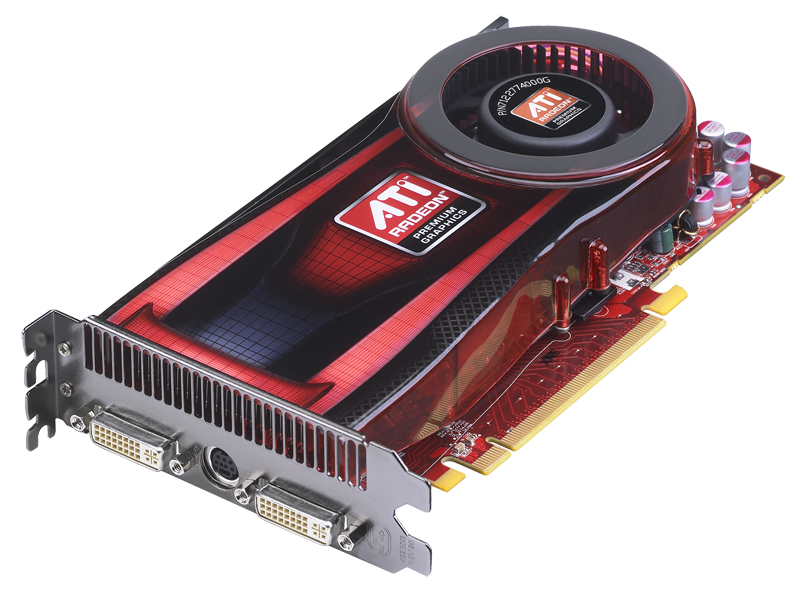 🇺🇸 United StatesRadeon HD 4000 series
AMD graphics processor series with GDDR5 supportGPU · GPU architecture · 2008
 🇺🇸 United StatesRadeon HD 5000 series
First DirectX 11 graphics processor family from AMDGPU · GPU architecture · 2009
 🇺🇸 United StatesAMD 800 chipset series
Chipset family for AMD Phenom and Opteron processorsAnalog · 2009
 🇺🇸 United StatesRadeon HD 6000 series
AMD graphics processor family using TeraScale architectureGPU · GPU architecture · 2010