PCs and laptops
Desktop and laptop processors, chipsets and graphics. 484 chips on EveryChip so far.
Personal computers and laptops have been built around x86 processors since IBM chose the Intel 8088 for its PC in 1981. Intel and AMD have competed for decades, from the 486 and Pentium to Athlon, Core and Ryzen. Since 2020 Apple's Arm-based M-series and later Qualcomm's Snapdragon X chips have brought Arm into laptops. A PC also holds a GPU, chipset, memory and storage chips.
Intel, AMD and the clock race
Through the 1990s PC chips were sold on clock speed, which rose from tens of megahertz to over 1 GHz in 2000. After the Pentium 4 hit power limits, the focus moved to multiple cores and efficiency, led by Intel's Core 2 in 2006 and AMD's Zen-based Ryzen in 2017. Today's laptop chips mix performance and efficiency cores and include AI engines called NPUs.
Arm arrives
Apple's M1 of 2020 showed that an Arm SoC could match or beat x86 laptops in performance per watt, and Apple moved its whole Mac range to its own chips by 2023. Microsoft's Windows on Arm gained Qualcomm's Snapdragon X Elite in 2024. Intel's Lunar Lake of 2024 responded with memory placed in the processor package, a technique Apple also uses.
Famous PCs and laptops chips
 Intel 8088The processor of the 1981 IBM PC
 I486Intel's 1989 chip with on-chip cache and maths unit
 PentiumIntel's 1993 brand that defined 1990s PCs
 Athlon 64AMD's 64-bit desktop chip, 2003
 Intel Core 2Intel's 2006 efficient multi-core line
 RyzenAMD's Zen-based PC processors, 2017
 Apple M1 UltraApple's first Mac chip, 2020
 Lunar LakeIntel's 2024 laptop chip with on-package memory
Further reading
 🇺🇸 United States and 2 moreMeteor Lake
Intel's first chiplet-based mobile Core Ultra processors, launched December 2023CPU · x86 · 2023
 🇮🇱 IsraelSunny Cove
Intel's 2019 CPU core design for Ice Lake mobile and Xeon server chipsCPU · x86 · 2019
🇺🇸 United StatesGoldmont Plus
Low-power Atom microarchitecture for Celeron and Pentium Silver SoCsCPU · x86 · 2017
 🇺🇸 United States and 1 morePentium M
Intel's power-saving laptop CPU line, launched in 2003 on the P6 designCPU · x86 · 2003
 🇺🇸 United StatesAlder Lake
Intel's 12th-gen hybrid x86 CPUs mixing performance and efficiency coresCPU · x86 · 2021
 🇺🇸 United StatesIntel 80387SX
Floating-point coprocessor for the Intel 80386SXCPU · x86 · 1987
 🇺🇸 United StatesRapidCAD
A 486DX in a 386 socket, with a dummy FPU chip to match.CPU · x86
 🇺🇸 United StatesIntel 80486SX
A 1991 Intel 486 CPU sold without a working floating-point unitCPU · x86 · 1991
🇺🇸 United StatesZen
AMD's processor microarchitecture family behind Ryzen, Threadripper and Epyc chipsCPU · x86 · 2017
 🇺🇸 United StatesWolfdale
Intel's 45 nm dual-core desktop and server core sold as Core 2 Duo, Pentium, Celeron and XeonCPU · x86 · 2008
 🇺🇸 United StatesPanther Lake
Intel's Core Ultra Series 3 mobile CPU line with tiled CPU, GPU and I/O diesCPU · x86 · 2026
 🇺🇸 United StatesPentium Pro
Intel's first sixth-generation x86 CPU, built for servers and workstationsCPU · x86 · 1995
🇺🇸 United StatesLynnfield
Intel's 2009 quad-core desktop CPU on the Nehalem design, socket LGA 1156.CPU · x86 · 2009
🇺🇸 United StatesClarksfield
Intel's quad-core mobile Core i7 chips on 45 nm NehalemCPU · x86 · 2009
 🇺🇸 United StatesZen+
AMD's 2018 Zen refresh on a 12 nm process, with faster clocks and lower latencyCPU · x86 · 2018
 🇺🇸 United StatesIvy Bridge
Intel's 22 nm tick microarchitecture featuring FinFET transistors and integrated graphics.CPU · x86 · 2012
 🇺🇸 United StatesXeon
Intel's x86 processor brand for servers, workstations and embedded systems since 1998CPU · x86 · 1998
 🇺🇸 United StatesRyzen Threadripper
High-end desktop and workstation multi-core processors from AMDCPU · x86 · 2017
 🇺🇸 United StatesAMD APU
AMD chips combining CPU and GPU on one dieCPU · x86 · 2011
🇺🇸 United States and 1 moreLunar Lake
Ultra-low power mobile SoC with on-package memory and an NPU for AI workCPU · x86 · 2024
 🇺🇸 United StatesZen 3
AMD microarchitecture released in 2020 with unified core complexes.CPU · x86 · 2020
 🇺🇸 United StatesIntel 8086
16-bit microprocessor that introduced the x86 instruction set in 1978CPU · x86 · 1978
🇺🇸 United StatesZen 6
AMD microarchitecture for Ryzen and Epyc chipsCPU · x86
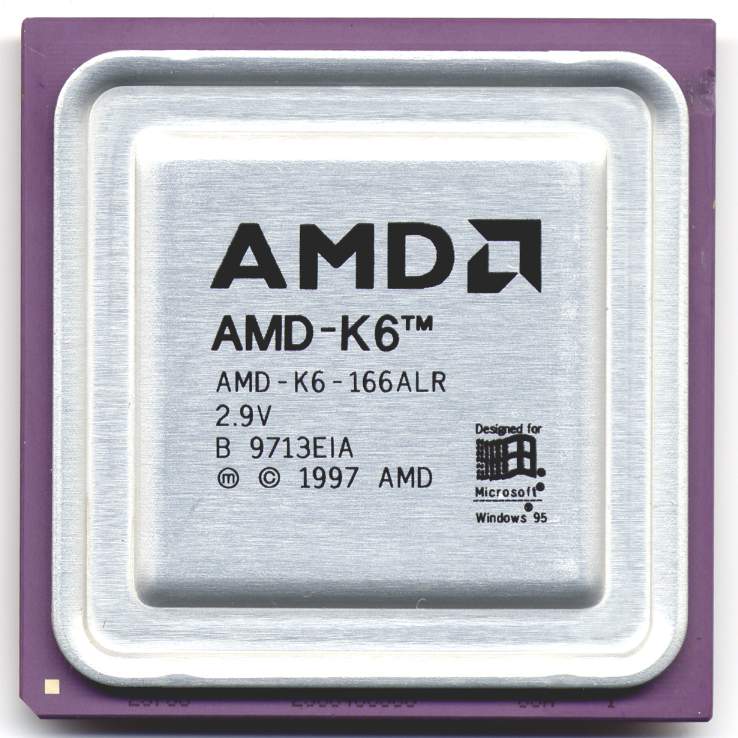 🇺🇸 United StatesAMD K6
x86 microprocessor for Socket 7 desktopsCPU · x86 · 1997
 🇺🇸 United StatesK6-2
x86 microprocessor with 3DNow! instructions for budget PCsCPU · x86 · 1998
 🇺🇸 United StatesAMD K6-III
x86 desktop processor with on-die L2 cacheCPU · x86 · 1999
 🇺🇸 United StatesAMD K8
First x86 microarchitecture with integrated 64-bit support and on-chip memory control.CPU · x86 · 2003
 🇺🇸 United StatesPiledriver
Second-generation AMD x86 microarchitecture for desktops and serversCPU · x86 · 2012
 🇺🇸 United StatesBobcat
Low-power x86 microarchitecture for AMD APUsCPU · x86 · 2011
🇺🇸 United StatesPuma
Low-power AMD microarchitecture for notebooks and tabletsCPU · x86 · 2014
 🇺🇸 United StatesAthlon 64 X2
First native dual-core desktop CPU from AMDCPU · x86 · 2005
 🇺🇸 United StatesIntel 8089
An I/O coprocessor that moved data for 8086 and 8088 systemsCPU · x86 · 1979
 🇺🇸 United StatesAthlon X4
Budget quad-core desktop CPUs without integrated graphicsCPU · x86 · 2013
 🇺🇸 United StatesAMD Turion
Low-power x86-64 mobile processors from AMDCPU · x86 · 2005
 🇺🇸 United StatesPhenom II
AMD multi-core desktop processors on the K10 microarchitectureCPU · x86 · 2008
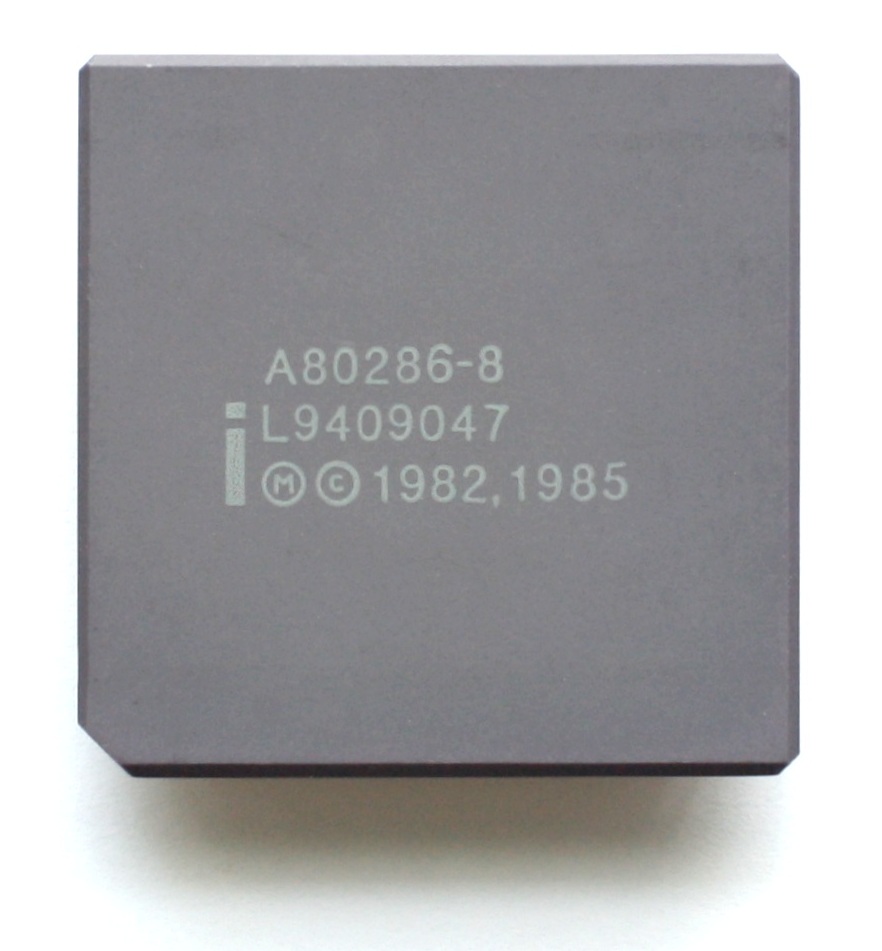 🇺🇸 United StatesIntel 80286
16-bit x86 CPU with protected mode and 24-bit addressing, launched in 1982CPU · x86 · 1982
 WorldAm486
AMD's 486-class processor family from the 1990sCPU · x86 · 1993
 🇺🇸 United StatesAm386
AMD's first independent x86 microprocessor cloneCPU · x86 · 1991
 🇺🇸 United StatesIntel 80486
32-bit x86 CPU with pipelined execution and on-chip cache, launched 1989CPU · x86 · 1989
 🇺🇸 United StatesAm5x86
High-speed 486-class CPU for legacy system upgradesCPU · x86 · 1995
 🇺🇸 United StatesTransmeta Crusoe
Low-power x86 microprocessor using software translationCPU · x86 · 2000
 WorldRise mP6
Low-cost x86 microprocessor for Super Socket 7 systemsCPU · x86 · 1998
 🇺🇸 United StatesWinChip
Low-power x86 processor for Socket 7 systemsCPU · x86 · 1997
 🇺🇸 United StatesIntel 8080
An 8-bit microprocessor released in 1974 that launched the personal computer era.CPU · x86 · 1974
 🇺🇸 United StatesPentium D
Intel's first dual-core desktop Pentium, two NetBurst cores in one packageCPU · x86 · 2005
 🇺🇸 United StatesPentium Dual-Core
Intel's entry-level dual-core x86 CPUs for desktops and notebooks, 2007 to 2010CPU · x86 · 2007
 🇺🇸 United StatesIntel Atom
Intel's low-power x86 processor line for netbooks, embedded and server useCPU · x86 · 2008
 🇺🇸 United StatesP6
Intel's sixth x86 design, first with out-of-order executionCPU · x86 · 1995
Photo credits on this page
The small pictures above come from Wikimedia Commons under free licences. Some are cropped to fit.
- Meteor Lake: Fritzchens Fritz, CC0, source
- Sunny Cove: Fritzchens Fritz, CC BY 2.0, source
- Intel 80486SX: Henry Mühlpfordt, CC BY-SA 3.0, source
- Pentium M: Raimond Spekking, CC BY-SA 4.0, source
- Alder Lake: Jacek Halicki, CC BY-SA 4.0, source
- Intel 80387SX: Konstantin Lanzet (with permission), CC BY-SA 3.0, source
- RapidCAD: Konstantin Lanzet (with permission), CC BY-SA 3.0, source
- Xeon: Rjluna2, CC BY-SA 4.0, source
- Wolfdale: Kyro, Public domain, source
- Pentium Pro: Thomas Nguyen, CC BY-SA 4.0, source
- Panther Lake: 极客湾Geekerwan, CC BY 3.0, source
- Zen+: Fritzchens Fritz, CC0, source
- Ivy Bridge: IrisChronomia, CC BY-SA 4.0, source
- Ryzen Threadripper: Geni, CC BY-SA 4.0, source
- AMD APU: Wikiinger, CC0, source
- Lunar Lake: LaptopMedia, CC BY 3.0, source
- Zen 3: Fritzchens Fritz, CC BY 2.0, source
- Intel 8086: Thomas Nguyen, CC BY-SA 4.0, source
- AMD K6: Unknown author, CC BY-SA 3.0, source
- K6-2: Unknown author, CC BY-SA 3.0, source
- AMD K6-III: Fritzchens Fritz, CC0, source
- AMD K8: Redfox, Public domain, source
- Piledriver: D-Kuru, CC BY-SA 4.0, source
- Bobcat: Brit robin, CC BY-SA 4.0, source
- Athlon 64 X2: Trio3D, CC BY-SA 3.0, source
- Intel 8089: Pauli Rautakorpi, CC BY 3.0, source
- Athlon X4: Mizushiba-M, CC BY-SA 4.0, source
- AMD Turion: cole8888, CC BY-SA 2.0, source
- Phenom II: D-Kuru, CC BY-SA 3.0 at, source
- Intel 80286: Konstantin Lanzet (with permission), CC BY-SA 3.0, source
- Am486: No machine-readable author provided. Denniss assumed (based on copyrig, CC BY-SA 2.5, source
- Am386: Raimond Spekking, CC BY-SA 4.0, source
- Intel 80486: Thomas Nguyen, CC BY-SA 4.0, source
- Am5x86: Konstantin Lanzet, CC BY-SA 3.0, source
- Transmeta Crusoe: Konstantin Lanzet, CC BY-SA 3.0, source
- Rise mP6: Konstantin Lanzet (with permission), CC BY-SA 3.0, source
- WinChip: Konstantin Lanzet, CC BY 3.0, source
- Intel 8080: Christian Bassow, CC BY-SA 4.0, source
- Pentium Dual-Core: Smial, CC BY-SA 2.0 de, source
- Pentium D: JulianVilla26, CC BY-SA 4.0, source
- Intel Atom: Raimond Spekking, CC BY-SA 4.0, source
- P6: Fritzchens Fritz, CC0, source
- Intel Core 2: Raimond Spekking, CC BY-SA 4.0, source
- Intel 8088: Unknown author, CC BY-SA 3.0, source
- Pentium: Pdesousa359, CC BY-SA 3.0, source
- I486: Konstantin Lanzet, GFDL, source
- Apple M1 Ultra: Henriok, CC0, source
- Ryzen: ICCTsHeY, CC BY-SA 4.0, source
- Athlon 64: Astraera, CC BY-SA 4.0, source