
I486
32-bit microprocessor with on-chip cache and FPU
Intel launched this 32-bit chip in 1989 as the fourth x86 generation. It integrated a math unit and cache on the die, doubling speed per cycle over the i386. Production lasted until late 2007, serving PCs and embedded systems.
- First x86 chip with over one million transistors
- Integrated FPU and cache on single die
- Five-stage pipeline allows one instruction per cycle
- Production lasted from 1989 to 2007
- AMD and Cyrix produced compatible clones
What it is
The i486 is a 32-bit central processing unit from Intel. It arrived in April 1989 as the successor to the i386. This chip marked a major shift by placing the floating-point math unit and static random-access memory cache directly on the silicon die. Earlier designs kept these components separate. The integration allowed data to move faster within the processor. It maintained full software compatibility with previous x86 chips while delivering roughly double the performance per clock cycle. Manufacturers continued making it for nearly two decades, ending shipments in September 2007.
How it came about
Planning began in 1985 with architects Pat Gelsinger and John Crawford. Simulation work started in early 1987, leading to final logic designs in 1988. The first silicon samples emerged in March 1989. Intel announced the chip at Spring Comdex the following month. Initial production units shipped later that year. Legal disputes with AMD over licensing rights shaped the market. A 1995 settlement granted AMD access to microcode but ended their right to clone future Intel chips. Competitors like Cyrix also entered the space with compatible designs.
Inside the chip
This processor uses a five-stage instruction pipeline. Simple operations complete in one clock cycle, improving throughput significantly compared to the two cycles required by the i386. An eight kilobyte unified cache stores both instructions and data, with later models expanding this to sixteen kilobytes. The built-in floating-point unit executes math tasks much faster than the external i387 coprocessor. New atomic instructions like CMPXCHG were added. The memory management unit saw improvements, supporting a flat four gigabyte address space without segmentation overhead.
How it was made
Intel fabricated early versions using a one micrometre process, later shrinking to 600 nanometres. Transistor counts ranged from 900,000 to 1.6 million. Packages included 168-pin pin grid arrays and quad flat packs. Other companies such as AMD, IBM, and Cyrix produced compatible chips. AMD used clean-room designs and later licensed microcode. Cyrix offered upgrade parts that fit into older 386 sockets. Manufacturing partners included Texas Instruments and United Microelectronics Corporation.
Where it went
Personal computers drove initial adoption. By 1993, Dell reported that machines with this chip accounted for seventy percent of sales. Low-power SL variants served mobile computers. Industrial embedded systems kept the design alive long after personal computers moved to Pentium processors. Upgrade cards allowed older 486 motherboards to accept faster DX2 or DX4 cores. Some users installed OverDrive chips to extend the life of their existing hardware before Pentium prices dropped.
Versions and family
Intel released several models. The SX lacked the math unit. The DX2 doubled internal clock speed relative to the bus. The DX4 tripled it and increased cache size. The SL version focused on power efficiency for laptops. AMD produced Am486 and Am5x86 clones, with the latter marketing itself as a Pentium equivalent. Cyrix offered 486SLC and DLC upgrades for 386 systems, followed by their own DX and DX2 versions. IBM and Texas Instruments also manufactured compatible units.
Why it matters
It established the standard for integrating cache and math units on the main processor die. This architecture influenced all subsequent x86 designs. The legal battles with AMD clarified intellectual property rights in the semiconductor industry. The chip bridged the gap between early personal computing and modern high-performance systems. Its long production run demonstrated the value of backward compatibility and embedded reliability. It remained a viable option for industrial control long after consumer PCs advanced.
Problems and reception
The 486DX-50 model faced overheating issues due to high bus speeds. Users preferred the DX2-66, which ran the core faster while keeping the bus slower. OverDrive upgrades were often criticised for high cost and modest gains. Critics called remaining 486 systems dinosaurs once Pentium became common. However, the reliability of the design ensured its continued use in specialised equipment where raw speed was less critical than stability.


Questions people ask about I486
What made the i486 faster than the i386?
It integrated the math coprocessor and cache memory onto the same chip. A five-stage pipeline allowed simple instructions to finish in one clock cycle, doubling performance per hertz compared to the older design.
Did AMD make their own version of this chip?
Yes. AMD produced Am486 and Am5x86 processors. They initially reverse-engineered the design and later gained legal rights to use Intel microcode through a 1995 settlement.
What is the difference between DX and SX models?
The DX includes a built-in floating-point unit for math calculations. The SX lacks this unit, requiring a separate coprocessor if math performance is needed. The SX was cheaper and used in budget systems.
How long was this processor in production?
Intel introduced it in April 1989. Orders stopped in March 2007, with final shipments occurring in September 2007. This long lifespan was due to its use in embedded industrial systems.
Good reading and sources
- THE EXECUTIVE COMPUTER; The Race to Market a 486 Machine (Published 1989)The New York Times, Article
- Linux kernel is leaving 486 CPUs behind, only 18 years after the last one madeArs Technica, Article
The facts on this page come from the Wikipedia article "I486", written by its contributors and used under the CC BY-SA 4.0 licence, and from its Wikidata record (CC0). EveryChip rewrote the text in its own words, with AI assistance, and compares every page with the article to make sure no passage is copied. It may be reused under the same CC BY-SA 4.0 licence with a link back.
It may contain mistakes, and figures change over time. Nothing here is investment or buying advice. If something is wrong, tell us. Last refreshed 2026-11-14.
Like I486
All CPUs and microprocessors 🇺🇸 United StatesIntel 80486
32-bit x86 CPU with pipelined execution and on-chip cache, launched 1989CPU · x86 · 1989
 🇺🇸 United StatesIntel 80386
Intel's 32-bit x86 CPU from 1985, the base of the IA-32 instruction setCPU · x86 · 1985
 🇺🇸 United StatesI386
First 32-bit x86 microprocessor by IntelCPU · x86 · 1985
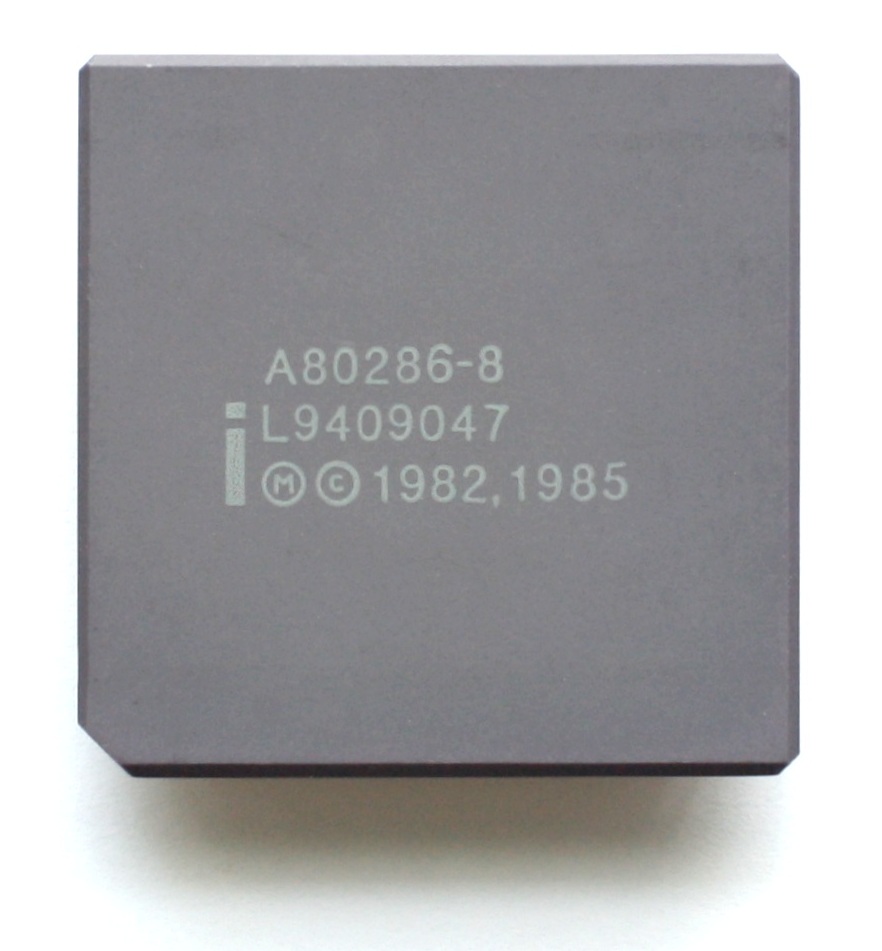 🇺🇸 United StatesIntel 80286
16-bit x86 CPU with protected mode and 24-bit addressing, launched in 1982CPU · x86 · 1982
More from Intel
All of them 🇺🇸 United StatesIntel i860
First million-transistor RISC microprocessor by IntelCPU · RISC · 1989
 🇺🇸 United StatesIntel i960
RISC microprocessor for embedded systems and military useCPU · RISC · 1988
 🇺🇸 United StatesPOWER1
IBM's first high-end RISC processor, launched in 1990.CPU · Power · 1990
 🇺🇸 United StatesIBM Power
RISC microprocessors for servers and supercomputers by IBMCPU · Power · 1990