Consumer electronics
Calculators, TVs, cameras, set-top boxes and wearables. 352 chips on EveryChip so far.
Consumer electronics were the first mass market for chips. Pocket calculators drove early chip design: the Intel 4004 was built for a Busicom calculator, and Texas Instruments' TMS1000 went into calculators, toys and microwave ovens. Since then chips have filled TVs, cameras, music players, set-top boxes, projectors, smart speakers and watches, usually as SoCs designed for one kind of product.
Calculators to cameras
In 1969 the Japanese company Busicom asked Intel for a set of chips for a printing calculator; Intel's answer was the 4004, released in 1971. Calculator prices fell sharply in the 1970s as single-chip designs arrived. Digital cameras were made possible by image sensors and image processors, and Texas Instruments' DLP chips, with millions of tiny mirrors, went into projectors and cinema screens.
Smart devices
Today's TVs, streaming sticks and smart speakers run SoCs from MediaTek, Realtek, Amlogic, Broadcom and others, combining Arm cores with video decoders for formats such as HEVC and AV1. Wearables such as Apple's watch use tiny SoCs in system-in-package modules, in which many chips are sealed together into one small block.
Famous consumer electronics chips
 Intel 4004Built for the Busicom 141-PF calculator, 1971
 TMS1000Microcontroller of calculators and toys
 Texas Instruments LPC Speech ChipsSpeech chips of TI's Speak and Spell toy
 Digital micromirror deviceTI's DLP mirror chip for projectors
 Apple S1The first Apple Watch's system in package, 2015
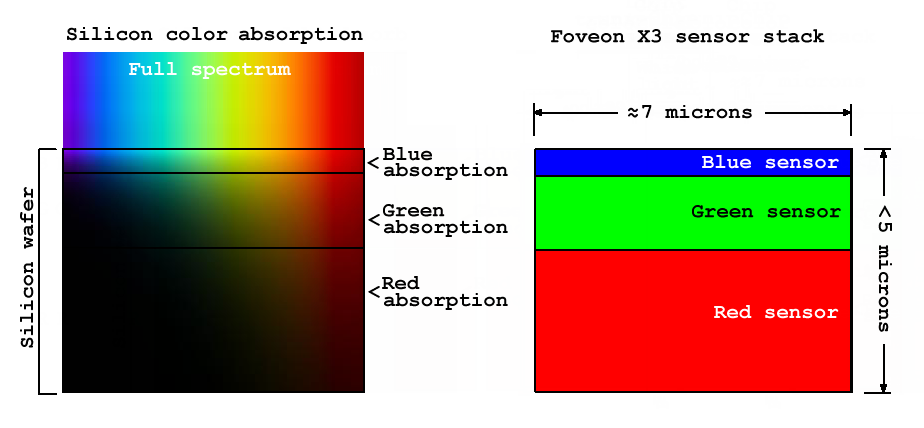 Foveon X3 sensorImage sensor of Sigma cameras
Further reading
 🇺🇸 United StatesMotorola 68HC11
8-bit microcontroller family for embedded systemsMicrocontroller · 68k · 1984
 🇺🇸 United StatesFreescale 683xx
Modular microcontroller family based on the Motorola 68000 core.Microcontroller · 68k · 1993
 WorldSTM8
Low-cost 8-bit microcontroller family by STMicroelectronicsMicrocontroller · Other
 WorldST6 and ST7
8-bit microcontroller lines from STMicroelectronics for embedded tasksMicrocontroller · 8-bit
 🇺🇸 United States and 1 moreCOP400
4-bit microcontroller family for embedded control tasksMicrocontroller · Other · 1977
 WorldELM327
Microcontroller for translating car diagnostic dataMicrocontroller · MCU family
 🇺🇸 United StatesAT89 series
Intel 8051-compatible 8-bit microcontrollers by AtmelMicrocontroller · MCU family
 🇳🇱 NetherlandsNXP LPC
32-bit ARM microcontrollers by NXP SemiconductorsMicrocontroller · Arm · 1982
 🇺🇸 United StatesPSoC
Configurable microcontroller with mixed-signal blocksMicrocontroller · Arm · 2002
 🇺🇸 United StatesTMS1100
PMOS microcontroller family from Texas Instruments launched in 1975Microcontroller · Other · 1975
 🇩🇪 GermanyXC800
Infineon 8-bit microcontroller family for automotive and industrial useMicrocontroller · MCU family · 2005
 🇯🇵 JapanH8 Family
Hitachi and Renesas microcontroller family for embedded systemsMicrocontroller · Other · 1988
 🇯🇵 Japan78K
NEC and Renesas 8- and 16-bit microcontroller family for embedded control.Microcontroller · Other · 1986
🇯🇵 JapanFujitsu FR
32-bit RISC processor family by Fujitsu for embedded controlCPU · RISC
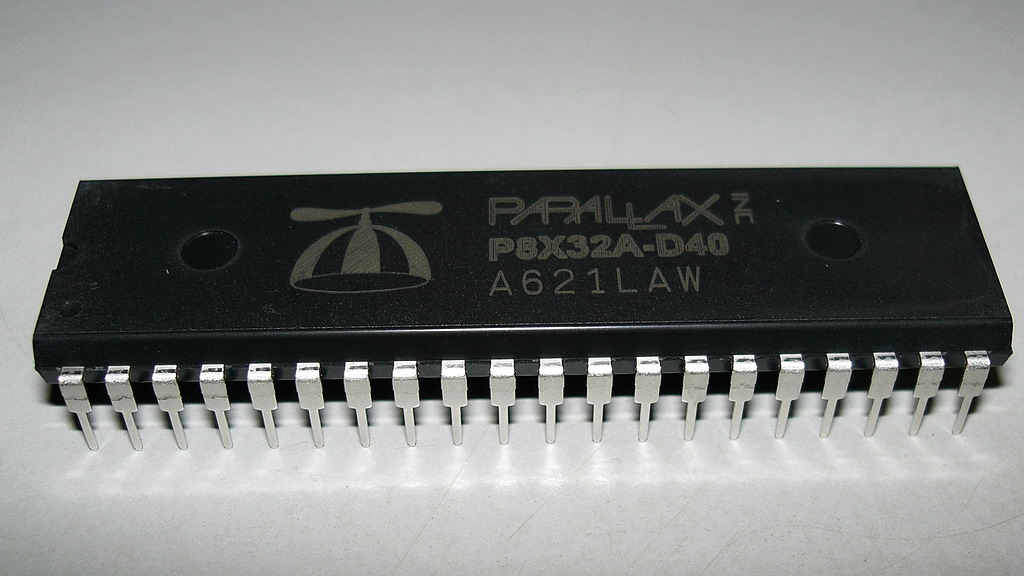 🇺🇸 United StatesParallax Propeller
Eight-core microcontroller with parallel processingMicrocontroller · RISC · 2006
 🇺🇸 United StatesPIC16x84
8-bit microcontroller family with EEPROM and Flash memoryMicrocontroller · RISC · 1993
 🇺🇸 United StatesIntel 80186
16-bit microprocessor with integrated peripherals for embedded systemsCPU · x86 · 1982
WorldBASIC Stamp
Microcontroller module with built-in BASIC interpreter for hobbyistsMicrocontroller · MCU family · 1992
 🇬🇧 United KingdomPICAXE
Pre-programmed PIC microcontrollers for hobbyist embedded developmentMicrocontroller · MCU family · 1999
 🇺🇸 United StatesATtiny
Compact 8-bit AVR microcontroller family for simple embedded tasksMicrocontroller · Other · 1999
 🇯🇵 JapanΜCOM-4
NEC original 4-bit single-chip microprocessor from 1973Microcontroller · Other · 1973
🇯🇵 JapanR8C Tiny
Low-cost 16-bit microcontroller series by RenesasMicrocontroller · Other
 🇳🇱 NetherlandsNexperia
Brand for NXP media and mobile system-on-chipsSoC · Arm · 1999
🇺🇸 United StatesAxcent
Audio-visual control microcontroller by AMXMicrocontroller · Other
 WorldMIDIbox
Open source hardware platform for building MIDI controllersMicrocontroller · Arm
 🇺🇸 United StatesIntel Edison
Small computer module for wearables and IoT devicesSoC · x86 · 2014
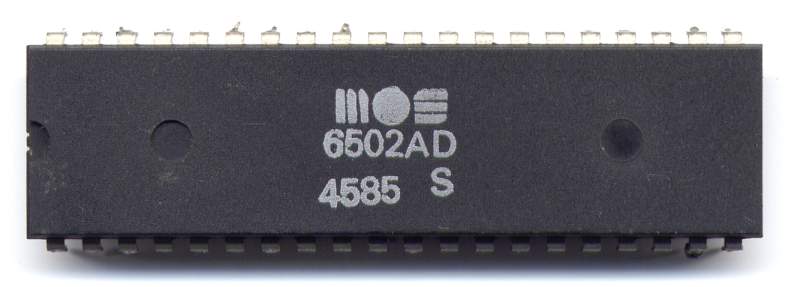 🇺🇸 United StatesMOS Technology 6502
Low-cost 8-bit microprocessor that powered the home computer revolutionCPU · Other · 1975
WorldIOIO
Open source microcontroller board for Android hardware controlMicrocontroller · Other · 2011
🇺🇸 United StatesLatticeMico8
8-bit RISC soft processor core for FPGAsMicrocontroller · RISC
 WorldNRF51 Series
Ultra low-power wireless system on a chip familySoC · Arm
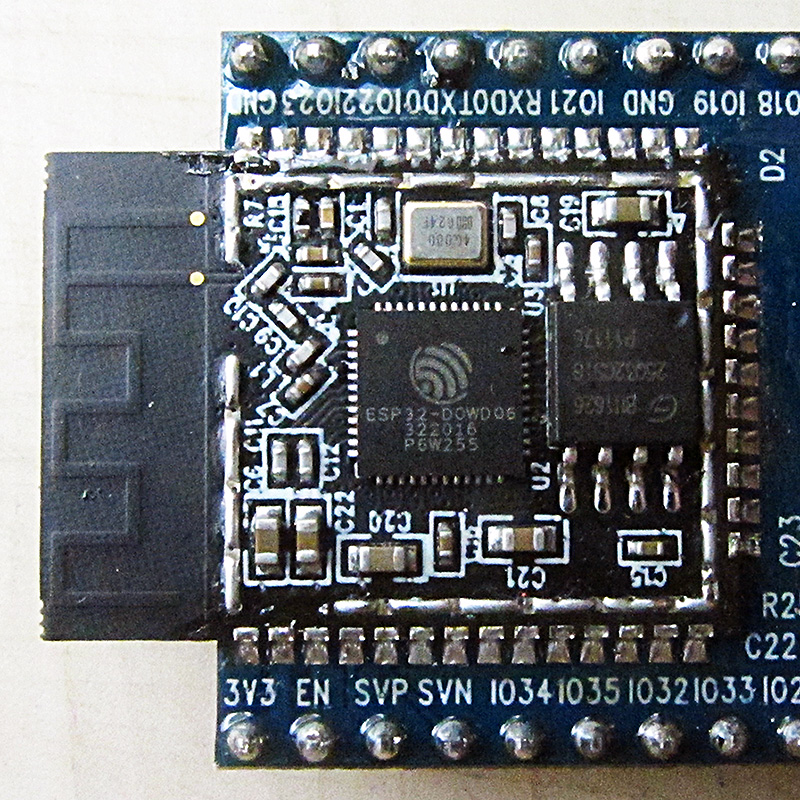 WorldESP32
Low-cost microcontroller with Wi-Fi and Bluetooth made by Espressif Systems.Microcontroller · Arm · 2016
🇩🇪 GermanyXC800
An 8-bit microcontroller series from Infineon for automotive and industrial control.Microcontroller · MCU family · 2005
 🇦🇺 AustraliaMaximite
A series of hobbyist microcomputers based on PIC32 and ARM processors running MMBasic.Microcontroller · MIPS · 2011
🇨🇳 ChinaESP32
Low-cost Wi-Fi and Bluetooth microcontroller family by EspressifMicrocontroller · RISC · 2016
🇨🇳 ChinaESP32
Low-cost Wi-Fi and Bluetooth microcontroller family by EspressifMicrocontroller · RISC · 2021
 🇺🇸 United StatesIntel 8051
A classic single-chip microcontroller series developed by Intel in 1980 for embedded systems.Microcontroller · 8-bit · 1980
🇨🇳 ChinaESP32
Low-cost Wi-Fi and Bluetooth microcontroller familyMicrocontroller · RISC · 2016
Photo credits on this page
The small pictures above come from Wikimedia Commons under free licences. Some are cropped to fit.
- MOS Technology 6502: Dirk Oppelt, CC BY-SA 3.0, source
- Intel 4004: the Science Museum, CC BY 4.0, source
- Foveon X3 sensor: Anoneditor at English Wikipedia, CC BY-SA 3.0, source
- ESP32: Brian Krent, CC BY-SA 4.0, source
- ATtiny: Torsten Landschoff, Public domain, source
- Apple S1: Henriok, CC0, source
- Intel MCS-51: Konstantin Lanzet (with permission), CC BY-SA 3.0, source
- Motorola 68HC11: Konstantin Lanzet, CC BY 3.0, source
- Freescale 683xx: Pauli Rautakorpi, CC BY 3.0, source
- STM8: Raimond Spekking, CC BY-SA 4.0, source
- ST6 and ST7: Antoinebercovici, CC BY-SA 3.0, source
- COP400: Seanriddle, CC BY-SA 4.0, source
- ELM327: Florian Schäffer, CC BY-SA 3.0, source
- AT89 series: User Bb3cxv on en.wikipedia, CC BY-SA 3.0, source
- NXP LPC: Sbmeirow cropped an existing photo by Viswesr on Wikimedia Commons., CC BY-SA 3.0, source
- PSoC: NobbiP, CC BY-SA 3.0, source
- TMS1100: Konstantin Lanzet (with permission), CC BY-SA 3.0, source
- XC800: MichaelFrey, CC BY 2.5, source
- H8 Family: Raimond Spekking, CC BY-SA 4.0, source
- 78K: NobbiP, CC BY-SA 3.0, source
- Parallax Propeller: MOS6502, CC BY-SA 2.5, source
- PIC16x84: _brouhaha_, CC BY-SA 2.0, source
- NEC μCOM series: Konstantin Lanzet, CC BY-SA 3.0, source
- Texas Instruments LPC Speech Chips: Orginal photo © Bill Bertram 2006, editing by user:Tomhannen, CC BY-SA 2.5, source
- Intel 80186: Armin Kübelbeck, CC BY-SA 3.0, source
- PICAXE: AndyRoni, CC BY-SA 4.0, source
- MIDIbox: akorbeti, CC BY 2.0, source
- Nexperia: Ikknmnmnm, CC BY-SA 4.0, source
- NRF51 Series: Raimond Spekking, CC BY-SA 4.0, source
- Intel Edison: Mwilde2, CC BY-SA 4.0, source
- Maximite: RSeverson, CC BY-SA 3.0, source
- Digital micromirror device: mitopencourseware, CC BY-SA 4.0, source
- TMS1000: Pauli Rautakorpi, CC BY 3.0, source