
ATtiny
Compact 8-bit AVR microcontroller family for simple embedded tasks
The ATtiny is a subfamily of 8-bit AVR microcontrollers designed with fewer pins and less memory than standard AVR chips. Atmel released the first models in 1999, and Microchip Technology continues the line after acquiring Atmel in 2016.
- First released by Atmel in 1999
- Part of the 8-bit AVR microcontroller family
- Excludes USB and external memory bus
- Acquired by Microchip Technology in 2016
- Supports watchdog timer for system recovery
What it is
The ATtiny, also known as TinyAVR, is a series of 8-bit microcontrollers from the broader AVR family. These chips are built for applications that need fewer input and output pins and less memory than larger microcontrollers provide. Atmel introduced the first devices in this group in 1999. The company was later bought by Microchip Technology in 2016, which now manages the product line. They are commonly used in small electronic projects where space and cost are tight constraints.
How it came about
Atmel launched the initial ATtiny members in 1999 to offer a smaller alternative to their main AVR series. The goal was to provide a capable processor for simple tasks without the overhead of extra features like USB controllers or external memory buses. After Microchip Technology acquired Atmel in 2016, the brand continued under new ownership. Development boards such as the Xplained Nano and Mini series were later introduced to help engineers prototype with these chips.
Inside the chip
These microcontrollers use the AVR instruction set architecture. They typically exclude complex peripherals such as direct memory access controllers or crypto engines to save space. Many models include a watchdog timer, which resets the system if software fails to respond, ensuring reliability. Communication options vary; some chips have dedicated UART or SPI ports, while others use a Universal Serial Interface that can be configured for different protocols. Programming methods include In-System Programmable interfaces and the newer Unified Program and Debug Interface.
How it was made
Specific manufacturing details such as the process node or transistor count are not provided in the available data. The chips come in various physical packages, including Dual Inline Package formats with 0.3-inch row spacing and Small Outline Integrated Circuit cases. The pin count varies by model, allowing designers to choose the right size for their circuit board layout. Packaging names are standardized to help compare different variants within the family.
Where it went
Engineers use ATtiny chips in embedded systems where simplicity is key. They appear in consumer electronics, internet of things sensors, and hobbyist projects due to their low pin count and efficiency. The absence of high-speed interfaces like USB makes them suitable for basic control tasks rather than data-heavy applications. Development boards from Microchip, such as the ATtiny817 Xplained Pro, support professionals in testing and deploying these microcontrollers in real-world hardware.
Versions and family
The family includes many models with different memory sizes and pin configurations. Some recent versions feature wider timers that can chain together for 32-bit capture capabilities. Variants differ in their debugging support, with older chips using High Voltage Parallel Programming and newer ones adopting the Unified Program and Debug Interface. The ATtiny104, ATtiny416, and ATtiny817 are examples of specific models supported by official development kits.
Why it matters
The ATtiny series established a standard for compact 8-bit processing in the embedded market. By stripping away non-essential features, it allowed for cheaper and smaller designs in mass-produced electronics. Its compatibility with the AVR ecosystem meant developers could reuse code and tools across different project scales. The continued support by Microchip ensures its presence in educational materials and industrial applications decades after its initial release.
Questions people ask about ATtiny
What is the ATtiny microcontroller?
The ATtiny is a subfamily of 8-bit AVR microcontrollers. It has fewer features, pins, and memory than other AVR chips, making it ideal for simple embedded tasks.
Who manufactures the ATtiny chips?
Atmel originally developed and released the ATtiny family in 1999. Microchip Technology acquired Atmel in 2016 and now produces and supports these microcontrollers.
Does the ATtiny have a USB port?
No, ATtiny microcontrollers specifically exclude common features like USB peripherals. They are designed for simpler applications that do not require high-speed data connections.
Good reading and sources
- ATtiny microcontroller comparison chart on WikipediaEncyclopedia
- More photos on Wikimedia CommonsPhotos
- Wikidata recordOpen data
The facts on this page come from the Wikipedia article "ATtiny microcontroller comparison chart", written by its contributors and used under the CC BY-SA 4.0 licence, and from its Wikidata record (CC0). EveryChip rewrote the text in its own words, with AI assistance, and compares every page with the article to make sure no passage is copied. It may be reused under the same CC BY-SA 4.0 licence with a link back.
It may contain mistakes, and figures change over time. Nothing here is investment or buying advice. If something is wrong, tell us. Last refreshed 2026-11-14.
Like ATtiny
All microcontrollers 🇺🇸 United StatesMSP430
A 16-bit mixed-signal microcontroller family designed for very low power use.Microcontroller · Other · 1992
 🇺🇸 United StatesPIC microcontroller
Microchip's long-running family of 8-bit to 32-bit microcontrollersMicrocontroller · MIPS · 1976
 🇳🇱 NetherlandsNexperia
Brand for NXP media and mobile system-on-chipsSoC · Arm · 1999
 🇳🇴 NorwayAVR
8-bit RISC microcontroller family with on-chip flash memoryMicrocontroller · RISC · 1997
More from Atmel
All of them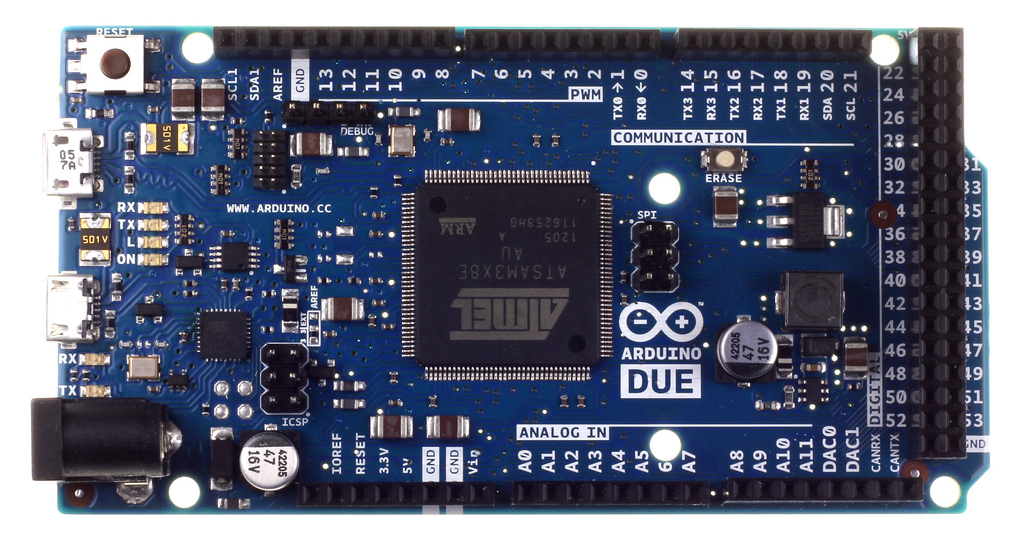 🇺🇸 United StatesAtmel ARM-based processors
32-bit ARM microcontrollers and microprocessors by MicrochipMicrocontroller · Arm · 1998
EuropeLEON
Radiation-tolerant SPARC V8 microprocessor core for space applicationsCPU · SPARC · 1997
 🇨🇿 Czech RepublicTurbo SIM
Microcontroller add-on for GSM SIM cards to bypass network locksMicrocontroller · Other · 2004
 🇺🇸 United StatesPIC16x84
8-bit microcontroller family with EEPROM and Flash memoryMicrocontroller · RISC · 1993