PCs and laptops
Desktop and laptop processors, chipsets and graphics. 484 chips on EveryChip so far.
Personal computers and laptops have been built around x86 processors since IBM chose the Intel 8088 for its PC in 1981. Intel and AMD have competed for decades, from the 486 and Pentium to Athlon, Core and Ryzen. Since 2020 Apple's Arm-based M-series and later Qualcomm's Snapdragon X chips have brought Arm into laptops. A PC also holds a GPU, chipset, memory and storage chips.
Intel, AMD and the clock race
Through the 1990s PC chips were sold on clock speed, which rose from tens of megahertz to over 1 GHz in 2000. After the Pentium 4 hit power limits, the focus moved to multiple cores and efficiency, led by Intel's Core 2 in 2006 and AMD's Zen-based Ryzen in 2017. Today's laptop chips mix performance and efficiency cores and include AI engines called NPUs.
Arm arrives
Apple's M1 of 2020 showed that an Arm SoC could match or beat x86 laptops in performance per watt, and Apple moved its whole Mac range to its own chips by 2023. Microsoft's Windows on Arm gained Qualcomm's Snapdragon X Elite in 2024. Intel's Lunar Lake of 2024 responded with memory placed in the processor package, a technique Apple also uses.
Famous PCs and laptops chips
 Intel 8088The processor of the 1981 IBM PC
 I486Intel's 1989 chip with on-chip cache and maths unit
 PentiumIntel's 1993 brand that defined 1990s PCs
 Athlon 64AMD's 64-bit desktop chip, 2003
 Intel Core 2Intel's 2006 efficient multi-core line
 RyzenAMD's Zen-based PC processors, 2017
 Apple M1 UltraApple's first Mac chip, 2020
 Lunar LakeIntel's 2024 laptop chip with on-package memory
Further reading
 🇺🇸 United StatesCyrix 5x86
High-performance x86 CPU for legacy Socket 3 systemsCPU · x86 · 1995
WorldIntel X99
High-end desktop chipset supporting DDR4 memory and LGA 2011-v3 processors.Analog · 2014
 🇺🇸 United StatesAMD 800 chipset series
Chipset family for AMD Phenom and Opteron processorsAnalog · 2009
 🇺🇸 United StatesPIIX
Intel southbridge family for x86 PCs from the mid-1990sAnalog · x86 · 1995
 WorldSiS 6326
Low-cost GPU for corporate motherboards and basic 3D tasks.GPU · GPU architecture · 1997
🇺🇸 United StatesIntel P55
First desktop Platform Controller Hub chipset from IntelAnalog · 2009
 WorldIntel 440FX
Chipset for Pentium Pro and early Pentium II processorsAnalog · 1996
 🇺🇸 United States3Com 3c509
ISA Ethernet network card series by 3ComNetwork chip · 1992
🇺🇸 United StatesVPro
SGI workstation graphics architecture and chipset familyGPU · Other · 1997
WorldQuadro Plex
External multi-GPU box for professional 3D workGPU · GPU architecture
🇯🇵 JapanMB86900
First SPARC V7 microprocessor by FujitsuCPU · SPARC · 1986
 🇺🇸 United StatesCommodore REU
External RAM expansion modules for Commodore home computersMemory · 1986
 WorldSIMM
Early computer memory module with redundant contacts on both sides.Memory · 1983
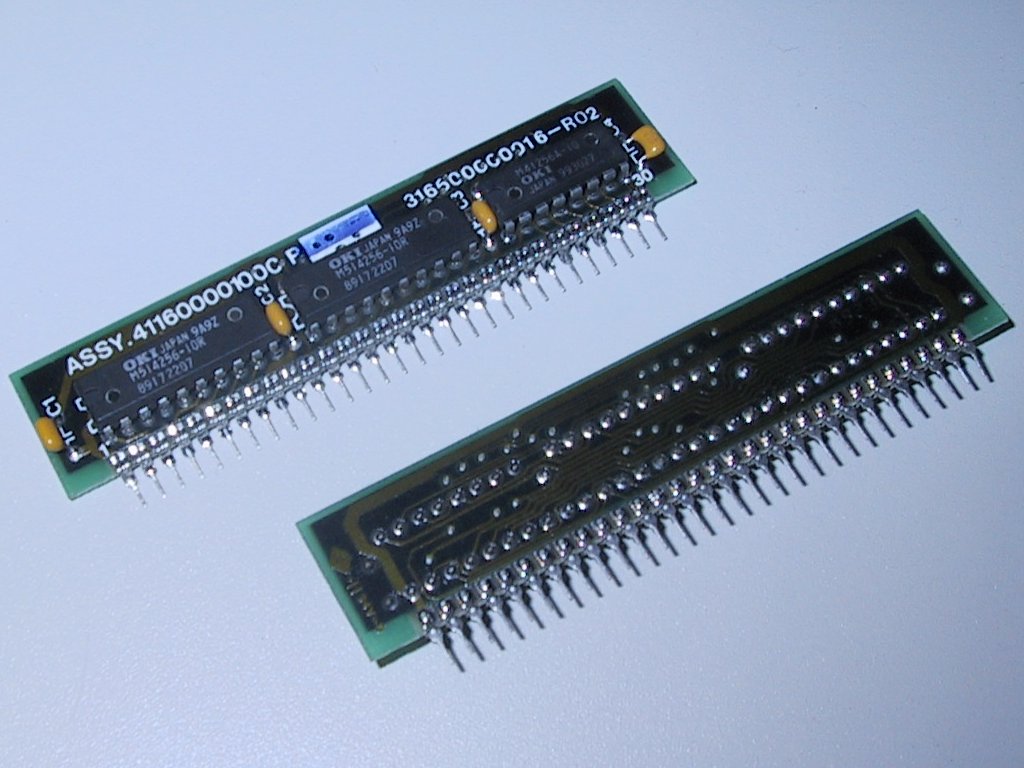 WorldSIPP memory
Pin-based 30-pin memory module for early PCsMemory
 🇺🇸 United StatesTigerton
Intel Xeon processor model released in 2005 for servers.CPU · x86 · 2005
 🇺🇸 United StatesAI Engine
AMD hardware architecture for AI inference and signal processingAI accelerator · VLIW
WorldMotorola G5
Unreleased 64-bit PowerPC processor by MotorolaCPU · Power · 2000
WorldIAPX
A short-lived Intel marketing prefix for 8086-family and iAPX 432 chips.CPU · x86
WorldAMD 580 chipset series
Chipset series for AMD processors with dual x16 PCI Express slotsAnalog · 2007
🇺🇸 United StatesPhysX P1
Dedicated microprocessor for video game physics calculationsCPU · MIPS · 2006
 🇬🇧 United KingdomZX8302
Custom ASIC for Sinclair QL I/O and serial linksAnalog · 1984
 🇺🇸 United StatesIntel 430HX
Socket 7 chipset for Pentium and MMX processorsAnalog · 1996
 🇺🇸 United StatesGeForce 800M series
Nvidia laptop graphics chips from 2014 using Fermi, Kepler and Maxwell designs.GPU · GPU architecture · 2014
 WorldGeForce 100 series
OEM rebranded Tesla graphics cards from 2009GPU · GPU architecture · 2009
 🇺🇸 United StatesRIVA TNT
Dual-pipeline PC graphics chip from NvidiaGPU · GPU architecture · 1998
🇺🇸 United StatesMillipede memory
IBM experimental non-volatile memory using atomic force probesMemory · 2003
WorldIntel X299
High-end desktop chipset for Intel Core X-series processorsAnalog · 2017
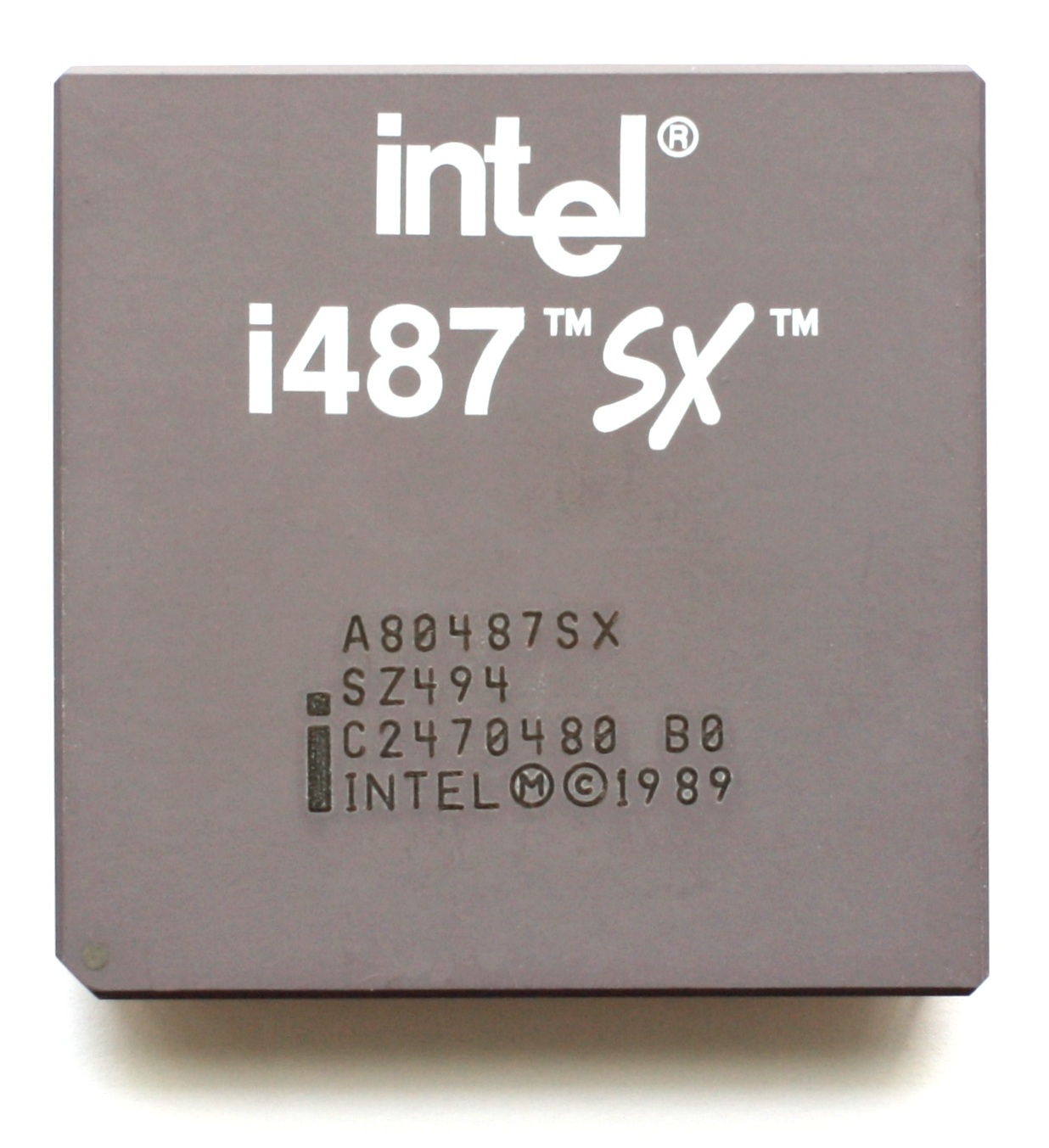 🇺🇸 United StatesIntel 80487SX
Floating-point upgrade chip for Intel 486SX systemsCPU · x86 · 1991
 WorldIntel 80387
Floating-point coprocessor for the Intel 80386 CPUCPU · x86 · 1987
 WorldPC133
Standard for 133 MHz synchronous dynamic RAM modulesMemory
🇺🇸 United StatesPC100
Intel standard for reliable 100 MHz SDRAM modulesMemory
 WorldICH9
Intel southbridge chip for P35 chipsets released in 2007Analog · 2007
 WorldICH8
Intel southbridge chip managing motherboard I/O for 965 seriesAnalog
🇺🇸 United StatesIMPACT
High-end graphics architecture for SGI workstationsGPU · Other · 1995
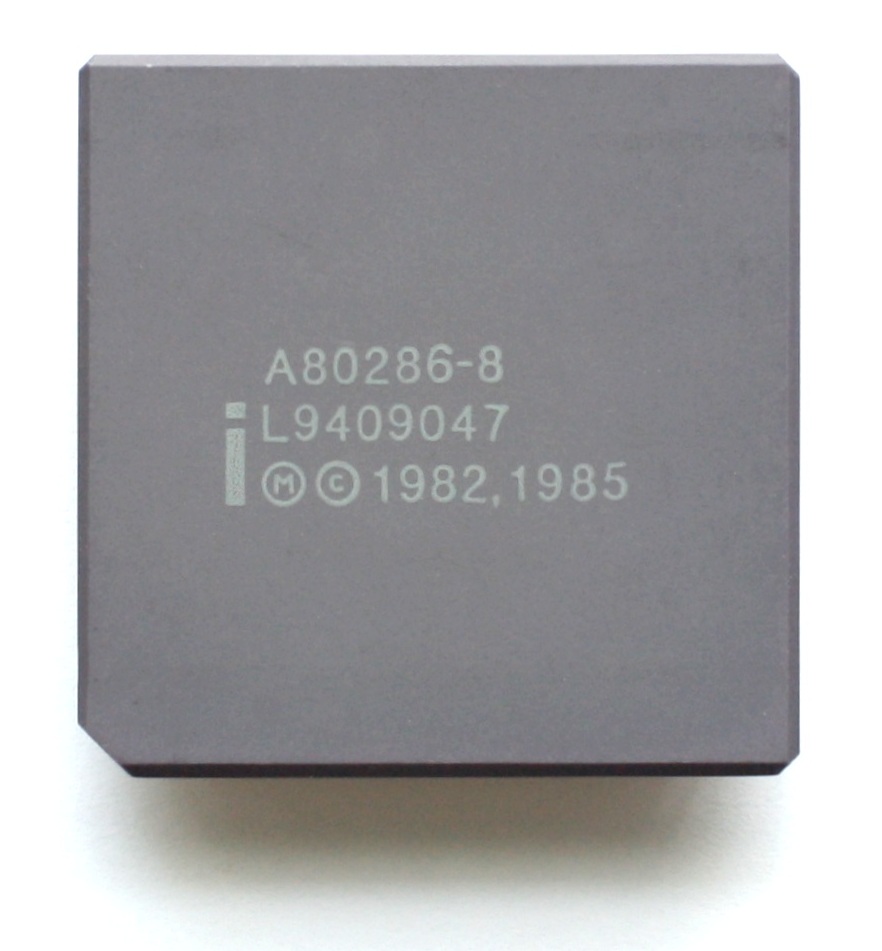 🇺🇸 United StatesIntel 80286
16-bit microprocessor with protected mode and 16 MB memory supportCPU · x86 · 1982
 🇯🇵 JapanYamaha YMF7xx
Yamaha family of ISA and PCI sound controller chipsAnalog
 🇺🇸 United StatesZilog Z8000
A 16-bit microprocessor architecture from Zilog launched in 1979.CPU · Other · 1979
🇺🇸 United StatesXDNA
AMD microarchitecture for neural processing units in Ryzen AI chipsAI accelerator · VLIW · 2023
 WorldPhenom II
A family of multi-core desktop processors using the K10 microarchitecture and 45 nm process.CPU · x86 · 2008
🇺🇸 United StatesZilog Z8001
A 16-bit microprocessor from Zilog, released in 1979 with a 23-bit address bus.CPU · Other · 1979
🇺🇸 United StatesRyzen
AMD's multi-core x86-64 processor brand launched in 2017.CPU · x86 · 2024
🇺🇸 United StatesPentium
Intel's first superscalar x86 microprocessor, introducing dual pipelines and the Pentium brand in 1993.CPU · x86 · 1993
WorldAcer PICA
A 1993 system logic chipset for MIPS-based Windows NT workstations.SoC · MIPS · 1993
WorldPC66
Standard for 66 MHz synchronous memory modulesMemory
 🇺🇸 United StatesCoffee Lake
Eighth and ninth generation Intel desktop microprocessors using the 14 nm++ process.CPU · x86 · 2017
WorldSnapdragon
A brand of system-on-chip processors designed by Qualcomm for mobile devices and PCs.SoC · Arm · 2007
Photo credits on this page
The small pictures above come from Wikimedia Commons under free licences. Some are cropped to fit.
- Lunar Lake: LaptopMedia, CC BY 3.0, source
- Intel 80286: Konstantin Lanzet (with permission), CC BY-SA 3.0, source
- Granite Rapids: Intel Corporation, Public domain, source
- Coffee Lake: ElooKoN, CC BY-SA 4.0, source
- Intel 80487SX: Konstantin Lanzet (with permission), CC BY-SA 3.0, source
- Intel 80387: Konstantin Lanzet, CC BY-SA 3.0, source
- PC133: Vitaly Zdanevich, CC0, source
- ICH9: Raimond Spekking, CC BY-SA 4.0, source
- ICH8: Raimond Spekking, CC BY-SA 4.0, source
- Zilog Z8000: Tiziano Garuti ( 1000Bit, Public domain, source
- Intel Core 2: Raimond Spekking, CC BY-SA 4.0, source
- Intel 8088: Unknown author, CC BY-SA 3.0, source
- Pentium: Pdesousa359, CC BY-SA 3.0, source
- Cyrix 5x86: Unknown author, CC BY-SA 3.0, source
- I486: Konstantin Lanzet, GFDL, source
- Apple M1 Ultra: Henriok, CC0, source
- RIVA TNT: Raimond Spekking, CC BY-SA 4.0, source
- AMD 800 chipset series: Porsche 911GT2, CC BY-SA 4.0, source
- PIIX: Raimond Spekking, CC BY-SA 4.0, source
- SiS 6326: Henry2106, CC BY-SA 4.0, source
- GeForce 100 series: Sgroey, CC BY-SA 4.0, source
- GeForce 800M series: PantheraLeo1359531, CC BY 4.0, source
- Intel 430HX: Rjluna2, CC BY-SA 4.0, source
- ZX8302: "Ewx" (Minor non-creditworthy tweaks by Ubcule ), CC BY-SA 3.0, source
- AI Engine: Dmitry Grigoriev, CC BY 2.0, source
- SIPP memory: en:User:Pyksy, CC BY-SA 3.0, source
- SIMM: Wolfgang " Darkoneko " ten Weges, CC BY-SA 3.0, source
- Commodore REU: Unknown author, Public domain, source
- Yamaha YMF7xx: Raimond Spekking, CC BY-SA 4.0, source
- Ryzen: ICCTsHeY, CC BY-SA 4.0, source
- Phenom II: D-Kuru, CC BY-SA 3.0 at, source
- Athlon 64: Astraera, CC BY-SA 4.0, source
- 3Com 3c509: Dmitry Nosachev, CC BY-SA 4.0, source
- Intel 440FX: Rjluna2, CC BY-SA 4.0, source