Other foundries
Tower, VIS, Hua Hong, X-FAB, SkyWater and others. 305 chips on EveryChip so far.
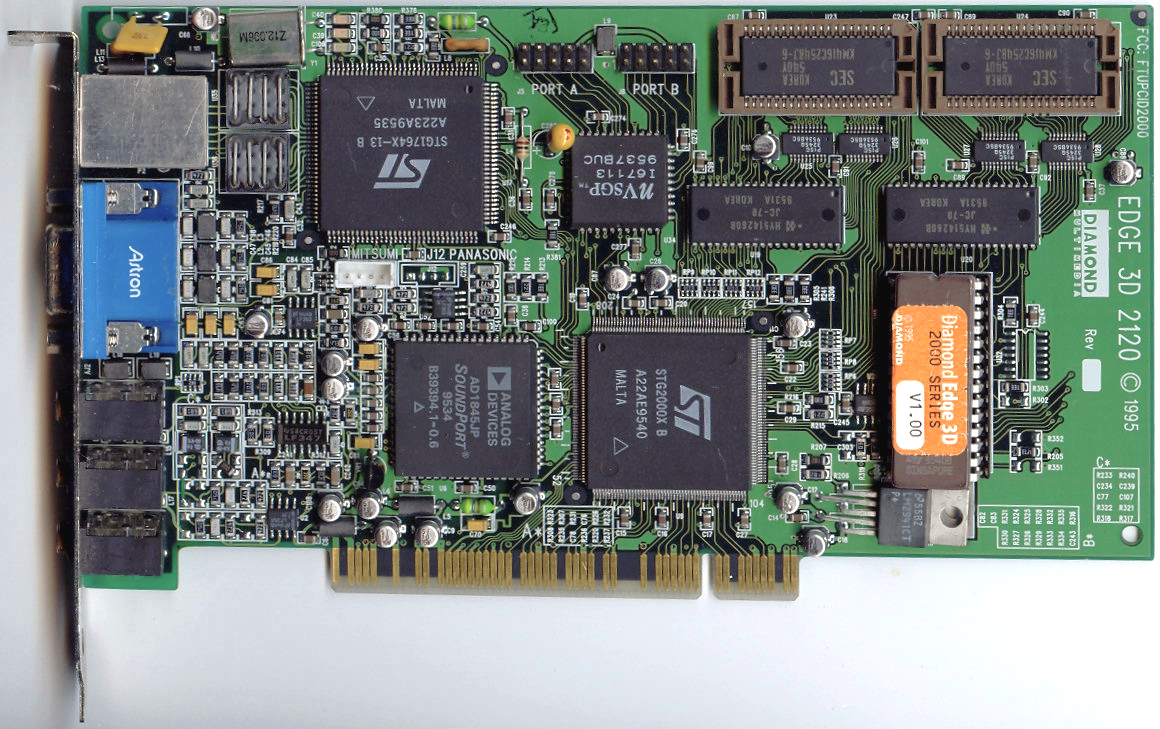
Beyond the giants, many foundries make specialised or mature-node chips: Tower Semiconductor in Israel, Vanguard International (VIS) and PSMC in Taiwan, Hua Hong in China, X-FAB in Germany and SkyWater in the United States, among others. In earlier years Chartered of Singapore and the European firm SGS-Thomson made chips for designers without fabs, including early Nvidia graphics chips.
Specialty foundries
These foundries focus on analog, power, image sensors, radio, MEMS and embedded memory, often on 200 mm wafers and older nodes. Tower, founded in 1993, was to be bought by Intel, but the deal was dropped in August 2023 after it did not receive Chinese regulatory approval in time. SkyWater, in Minnesota, released an open-source 130 nm process design kit with Google in 2020.
Early foundry partners
Before TSMC dominated, chip start-ups often used spare capacity in established firms' fabs. Nvidia's first chips, the NV1 and the RIVA 128, were made by SGS-Thomson. Chartered made some of AMD's Athlon 64 processors and helped make the Xbox 360's processor. PSMC is the technology partner for India's first commercial fab, at Dholera.
Famous other foundries chips


Further reading
 🇺🇸 United StatesCyrix Cx486
x86 desktop microprocessor competing with Intel 486CPU · x86 · 1993
 🇺🇸 United States and 1 moreMC10800
4-bit bit-sliced processor in ECL logic from 1979CPU · Other · 1979
 🇯🇵 JapanΜCOM-4
NEC original 4-bit single-chip microprocessor from 1973Microcontroller · Other · 1973
 🇳🇱 NetherlandsNexperia
Brand for NXP media and mobile system-on-chipsSoC · Arm · 1999
 WorldMilkymist SoC
Open-source system-on-chip for video synthesis and reconfigurable computingSoC · RISC · 2010
 🇺🇸 United States and 2 moreEEPROM
Byte-erasable non-volatile memory for small data storageMemory · 1978
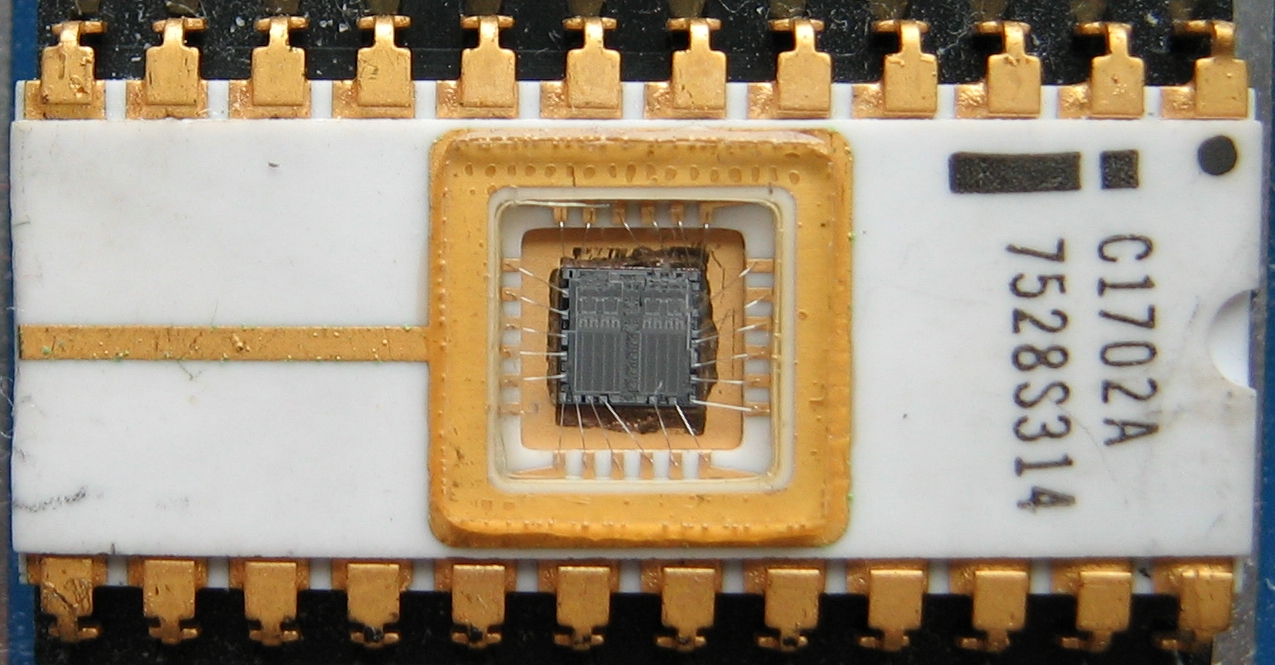 🇺🇸 United StatesEPROM
Non-volatile memory chip erased by ultraviolet lightMemory · 1971
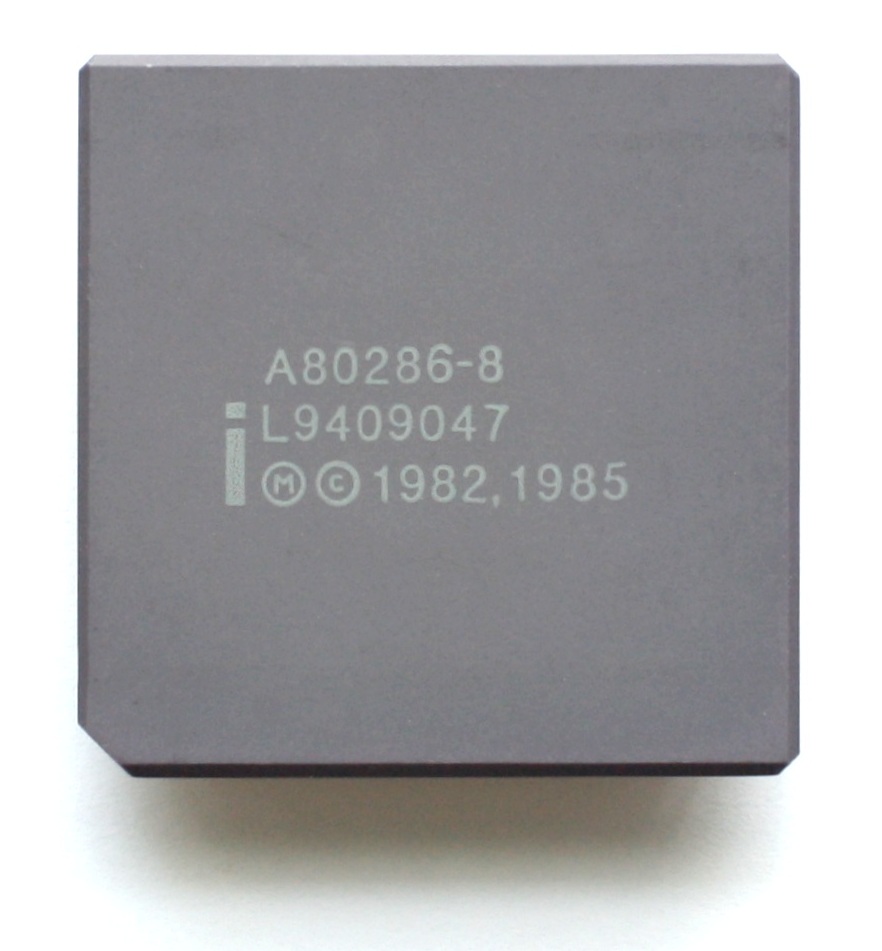 🇺🇸 United StatesIntel 80286
16-bit microprocessor with protected mode and 16 MB memory supportCPU · x86 · 1982
🇯🇵 JapanBack-illuminated sensor
Image sensor design that moves wiring behind pixels for better light captureSensor · 1994
 🇺🇸 United StatesZilog Z80
An 8-bit microprocessor that powered early personal computers and game consoles.CPU · Other · 1976
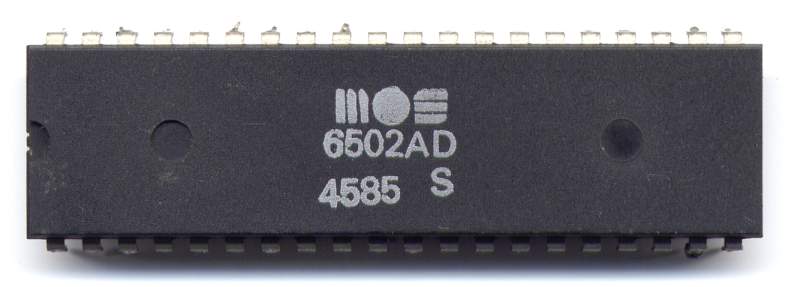 🇺🇸 United StatesMOS Technology 6502
Low-cost 8-bit microprocessor that powered the home computer revolutionCPU · Other · 1975
 🇩🇪 GermanyU61000
First 1-Mbit DRAM chip from the German Democratic RepublicMemory · 1988
 🇺🇸 United StatesZilog Z80
An 8-bit microprocessor that powered early personal computers and game consoles.CPU · Other · 1976
 🇯🇵 JapanNEC V20
Pin-compatible 16-bit microprocessor with Intel 8088 compatibilityCPU · x86 · 1982
 🇺🇸 United StatesI386
First 32-bit x86 microprocessor by IntelCPU · x86 · 1985
🇳🇱 NetherlandsXetal
Massively parallel image processor from Philips ResearchAI accelerator · Other · 2001
🇺🇸 United StatesProgrammable metallization cell
Non-volatile resistive memory using metal filamentsMemory
 🇺🇸 United StatesAI Engine
AMD hardware architecture for AI inference and signal processingAI accelerator · VLIW
 World6264
JEDEC-standard 64 Kbit static RAM chipMemory
🇺🇸 United StatesAsAP
University-developed many-core processor array for DSP tasksDSP · RISC · 2006
WorldIOIO
Open source microcontroller board for Android hardware controlMicrocontroller · Other · 2011
🇺🇸 United StatesField-programmable object array
Programmable logic device bridging FPGA and ASIC gapsFPGA · Other · 2006
🇺🇸 United StatesIntel 80286
16-bit microprocessor with protected mode and 16 MB memory supportCPU · x86 · 1982
🇺🇸 United StatesMicroBlaze
Soft microprocessor core for Xilinx FPGAsFPGA · RISC · 2002
🇬🇧 United KingdomCSX700
192-core SIMD coprocessor for high-performance computingAI accelerator · Other · 2001
Photo credits on this page
The small pictures above come from Wikimedia Commons under free licences. Some are cropped to fit.
- Microsoft XCPU (Xenon): Konstantin Lanzet, CC BY 3.0, source
- MOS Technology 6502: Dirk Oppelt, CC BY-SA 3.0, source
- Intel 80286: Konstantin Lanzet (with permission), CC BY-SA 3.0, source
- EEPROM: Nevit Dilmen ( talk ), CC BY-SA 3.0, source
- Zilog Z80: Zilog Inc., Public domain, source
- NV1: Swaaye at English Wikipedia, CC BY-SA 3.0, source
- RIVA 128: Raimond Spekking, CC BY-SA 4.0, source
- NEC μCOM series: Konstantin Lanzet, CC BY-SA 3.0, source
- Cyrix Cx486: Appaloosa, CC BY-SA 3.0, source
- Milkymist SoC: Originally uploaded by Nerd bzh (Transferred by clusternote ), CC BY-SA 3.0, source
- MC10800: Konstantin Lanzet, CC BY-SA 3.0, source
- Nexperia: Ikknmnmnm, CC BY-SA 4.0, source
- EPROM: Author : Poil 01:10, 17 Apr 2005 (UTC), CC BY-SA 3.0, source
- U61000: Jan Peter Kasper, CC BY-SA 3.0 de, source
- NEC V20: Raimond Spekking, CC BY-SA 4.0, source
- I386: Konstantin Lanzet, CC BY-SA 3.0, source
- 6264: Raimond Spekking, CC BY-SA 4.0, source
- AI Engine: Dmitry Grigoriev, CC BY 2.0, source
- Athlon 64: Astraera, CC BY-SA 4.0, source
- Zilog Z80: User Baz1521 on ja.wikipedia, CC BY-SA 3.0, source