Consumer electronics
Calculators, TVs, cameras, set-top boxes and wearables. 351 chips on EveryChip so far.
Consumer electronics were the first mass market for chips. Pocket calculators drove early chip design: the Intel 4004 was built for a Busicom calculator, and Texas Instruments' TMS1000 went into calculators, toys and microwave ovens. Since then chips have filled TVs, cameras, music players, set-top boxes, projectors, smart speakers and watches, usually as SoCs designed for one kind of product.
Calculators to cameras
In 1969 the Japanese company Busicom asked Intel for a set of chips for a printing calculator; Intel's answer was the 4004, released in 1971. Calculator prices fell sharply in the 1970s as single-chip designs arrived. Digital cameras were made possible by image sensors and image processors, and Texas Instruments' DLP chips, with millions of tiny mirrors, went into projectors and cinema screens.
Smart devices
Today's TVs, streaming sticks and smart speakers run SoCs from MediaTek, Realtek, Amlogic, Broadcom and others, combining Arm cores with video decoders for formats such as HEVC and AV1. Wearables such as Apple's watch use tiny SoCs in system-in-package modules, in which many chips are sealed together into one small block.
Famous consumer electronics chips
 Intel 4004Built for the Busicom 141-PF calculator, 1971
 TMS1000Microcontroller of calculators and toys
 Texas Instruments LPC Speech ChipsSpeech chips of TI's Speak and Spell toy
 Digital micromirror deviceTI's DLP mirror chip for projectors
 Apple S1The first Apple Watch's system in package, 2015
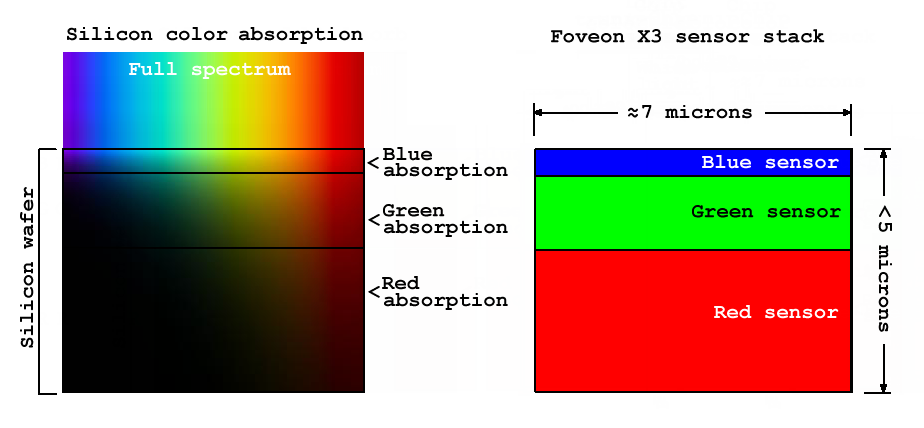 Foveon X3 sensorImage sensor of Sigma cameras
Further reading
 🇺🇸 United StatesSN76477
Analog sound chip for arcade games and toysAnalog · Other · 1978
WorldEnsoniq ES-5506 OTTO
32-voice audio synthesis chip for instruments and PC sound cardsAnalog · 68k
🇳🇱 NetherlandsSAA1099
Six-voice stereo sound generator chip from PhilipsAnalog · 1987
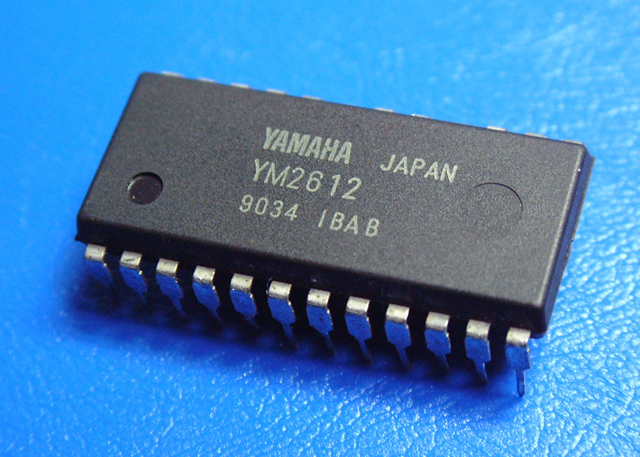 🇯🇵 JapanYM2612
Six-channel FM synthesis sound chip for Sega Mega DriveAnalog
 🇯🇵 JapanYamaha YM2151
Eight-channel FM synthesis sound chip by YamahaAnalog · 1984
 WorldRAMDAC
Chip converting digital color data to analog signals for monitorsAnalog · 1987
 🇺🇸 United StatesUART
Chip for serial data communication between devicesAnalog · 1971
 🇯🇵 JapanYamaha YM3812
FM synthesis sound chip for PC audioAnalog · 1985
🇯🇵 JapanYM3526
First Yamaha FM synthesis sound chip for computers and gamesAnalog · 1984
 🇯🇵 JapanYamaha YMF278
Sound chip combining FM and PCM synthesis by Yamaha.Analog · 1995
 🇯🇵 JapanYamaha YM2164
FM synthesis sound chip for MIDI synthesizers and expansion cardsAnalog · Other
🇯🇵 JapanYM2414
Eight-channel FM synthesis sound chip by YamahaAnalog
 WorldAtari FREDDIE
RAM address multiplexer for Atari 8-bit computersAnalog
World2N7000
Popular N-channel MOSFET for low-power switchingAnalog
 WorldAmiga custom chips
Support logic chips for Commodore Amiga computersAnalog
 🇯🇵 JapanYamaha YMF292
Sound chip for Sega Saturn and arcade boardsAnalog
 🇯🇵 JapanYamaha YMF7xx
Yamaha family of ISA and PCI sound controller chipsAnalog
🇺🇸 United StatesSN76477
Analog sound chip for arcade games and toysAnalog · Other · 1978
Photo credits on this page
The small pictures above come from Wikimedia Commons under free licences. Some are cropped to fit.
- Intel 4004: the Science Museum, CC BY 4.0, source
- Foveon X3 sensor: Anoneditor at English Wikipedia, CC BY-SA 3.0, source
- Yamaha OPN: TYalaA, CC BY-SA 4.0, source
- Yamaha YMF278: Higs, CC BY-SA 3.0, source
- Yamaha YMF292: Unknown author, CC BY-SA 3.0, source
- Apple S1: Henriok, CC0, source
- SN76477: Leomil72, Public domain, source
- YM2612: Baz1521 at Japanese Wikipedia, CC BY-SA 3.0, source
- Texas Instruments LPC Speech Chips: Orginal photo © Bill Bertram 2006, editing by user:Tomhannen, CC BY-SA 2.5, source
- Yamaha OPL: Original uploader was Shiru at ru.wikipedia, CC BY-SA 3.0, source
- RAMDAC: Alecv, CC BY-SA 3.0, source
- UART: Raimond Spekking, CC BY-SA 4.0, source
- Yamaha YM2164: Metroplex, CC BY-SA 3.0, source
- Atari FREDDIE: Rodrigo Castro, CC BY-SA 3.0, source
- Amiga custom chips: LTAC, FAL, source
- Yamaha YMF7xx: Raimond Spekking, CC BY-SA 4.0, source
- Digital micromirror device: mitopencourseware, CC BY-SA 4.0, source
- TMS1000: Pauli Rautakorpi, CC BY 3.0, source