Systems on a chip
Apple A and M, Snapdragon, Exynos, Dimensity, Tensor, Tegra and Kirin: a whole computer on one die. 209 chips on EveryChip so far.
A system on a chip (SoC) puts most of a computer on one piece of silicon: CPU cores, a GPU, memory controllers, an image processor, video engines, an AI unit and often the modem. Phones and tablets are built around SoCs, and since Apple's M1 of 2020 many laptops are too. Putting everything close together saves power and space, which matters most in a battery-powered device.
What goes on the die
A phone SoC usually combines a cluster of Arm CPU cores of different sizes, a GPU, a digital signal processor for sound and sensors, an image signal processor that turns the camera sensor's raw data into a photo, a neural processing unit for AI tasks, video encoders and decoders, and security hardware. The main memory usually sits in a separate chip stacked on top or placed beside it.
Who makes them
Apple designs its A-series for iPhones and M-series for Macs. Qualcomm's Snapdragon, MediaTek's Dimensity, Samsung's Exynos, Google's Tensor and Huawei's Kirin power most Android phones. Nvidia's Tegra went into tablets, cars and the Nintendo Switch. Almost all are made by TSMC or Samsung Foundry, and each new generation is often among the first chips on a new process node.
Famous soC chips
 Apple A4Apple's first in-house SoC, 2010
 Apple A7The first 64-bit phone processor, 2013
 Apple M1 UltraApple's first Mac SoC, 16 billion transistors, 2020
 Qualcomm SnapdragonSoC family in many Android phones
 ExynosSamsung's own phone SoCs
 TegraNvidia's SoC line, used in the Nintendo SwitchGoogle TensorGoogle's Pixel phone chips, from 2021
 OMAPTexas Instruments' early smartphone SoCs
Further reading
 WorldOpenRISC
Open-source RISC processor architecture and reference implementationsCPU · RISC · 2000
 🇹🇼 TaiwanVIA CoreFusion
Low-power x86 system-on-chip line by VIA TechnologiesSoC · x86 · 2003
 🇺🇸 United StatesPowerQUICC
Freescale PowerPC microcontrollers for networking and embedded systemsMicrocontroller · Power · 1995
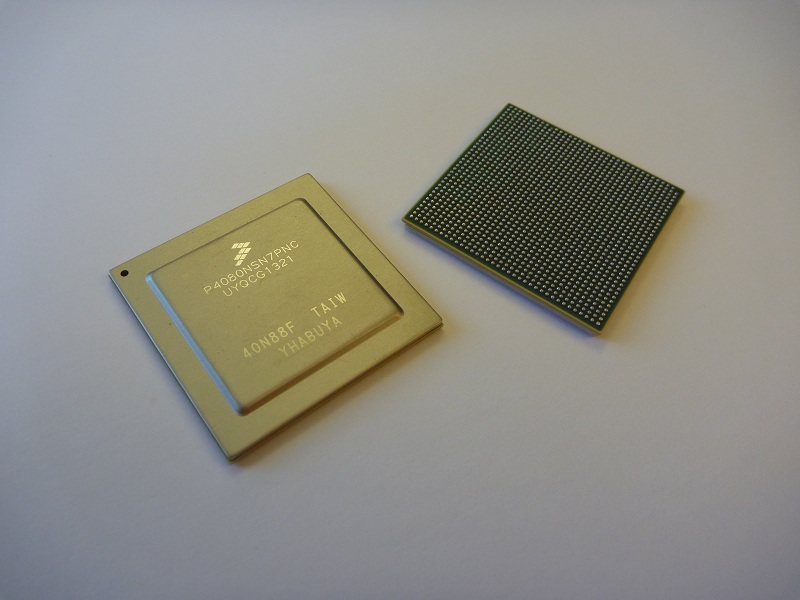 🇳🇱 NetherlandsQorIQ
NXP communications microprocessor brand for networking infrastructureCPU · Arm · 2008
 🇳🇱 NetherlandsNexperia
Brand for NXP media and mobile system-on-chipsSoC · Arm · 1999
 WorldMilkymist SoC
Open-source system-on-chip for video synthesis and reconfigurable computingSoC · RISC · 2010
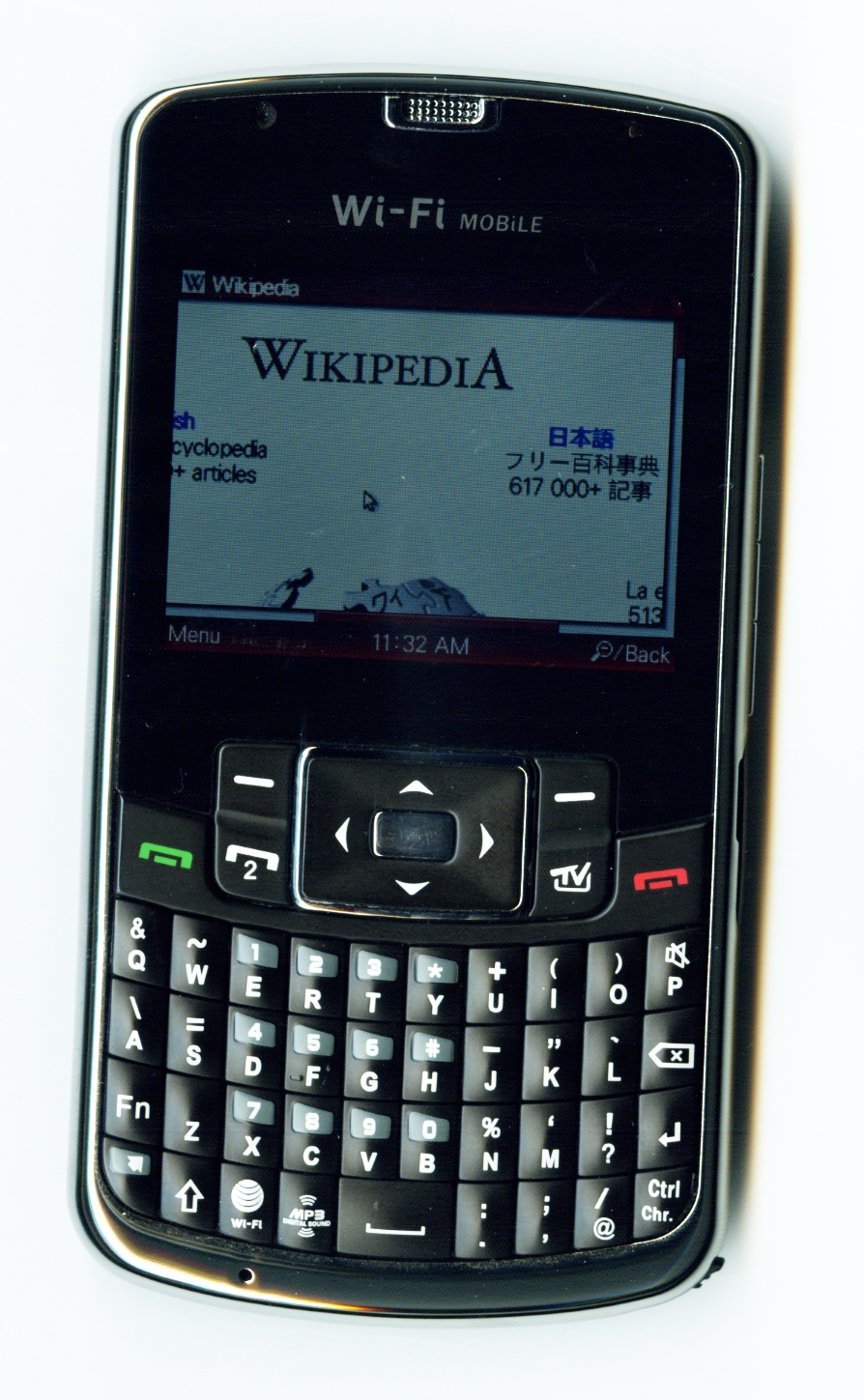 WorldMT6235
MediaTek baseband processor for feature phonesSoC · Arm
WorldAT91CAP
Customizable ARM microcontroller family with programmable logicMicrocontroller · Arm
 🇺🇸 United StatesIntel Edison
Small computer module for wearables and IoT devicesSoC · x86 · 2014
 🇺🇸 United StatesApple S2
Dual-core system in package for Apple Watch Series 2SoC · Arm · 2016
🇺🇸 United StatesApple M6
ARM-based system on a chip with 12 cores and 2 nm processSoC · Arm · 2026
🇺🇸 United StatesApple A20 Pro
64-bit ARM SoC for iPhone 18 Pro and iPad MiniSoC · Arm · 2026
 🇺🇸 United StatesApple M1 Max
High-performance ARM system-on-a-chip for professional MacsSoC · Arm · 2021
🇺🇸 United StatesApple M1 Pro
Professional ARM system-on-a-chip for Mac laptopsSoC · Arm · 2021
 🇺🇸 United StatesApple S3
System in a package for the Apple Watch Series 3SoC · Arm
 🇺🇸 United StatesApple A12Z Bionic
ARM system on a chip for iPad Pro and developer kitsSoC · Arm · 2020
🇺🇸 United StatesApple M1 Ultra
Dual-chip workstation SoC with 20 cores and 114 billion transistorsSoC · Arm · 2022
 🇯🇵 JapanMSX-Engine
Integrated circuit combining MSX computer functions into one chip.SoC · Other
 🇺🇸 United StatesApple T1
Security and sensor controller SoC for MacBook ProSoC · Arm · 2016
 🇺🇸 United StatesApple H1
Wireless connectivity system on a chip for Apple audio devicesSoC · Arm · 2019
 🇺🇸 United StatesApple S4
System in a package for the Apple Watch Series 4SoC · Arm
🇺🇸 United StatesApple R1
Apple system on a chip for mixed reality devicesSoC · Arm
 🇨🇳 ChinaAllwinner A20
Dual-core ARM Cortex-A7 system on a chip for tablets and media devices.SoC · Arm · 2012
 🇺🇸 United StatesApple W1
Wireless connectivity system on a chip for Apple audio devicesSoC · Arm
 🇺🇸 United StatesApple S6
System in a package for the Apple Watch Series 6SoC · Arm · 2020
 🇺🇸 United StatesApple W3
System on a chip for Apple Watch Series 4 and 5SoC · Arm
 WorldNRF51 Series
Ultra low-power wireless system on a chip familySoC · Arm
🇨🇳 ChinaHygon Dhyana
x86 server chip based on AMD Zen 1 for ChinaSoC · x86 · 2018
🇺🇸 United StatesApple H2
System on a chip for Apple audio and tracking devicesSoC · Arm
WorldCommunications Processor Module
Offloads input/output tasks in Motorola and Freescale microprocessors.SoC · RISC
WorldMDSP
Multiprocessor digital signal processor family for video tasksDSP · RISC
 🇺🇸 United StatesApple W2
Wireless connectivity chip for Apple Watch Series 3SoC · Arm
 🇺🇸 United StatesTI-AR7
Single-chip ADSL router solution with MIPS processor and DSPSoC · MIPS
🇨🇳 ChinaXiaomi Surge and Xring
In-house system-on-chips and specialized silicon for Xiaomi devices.SoC · Arm · 2017
 🇮🇹 ItalyFlyport
Open hardware IoT system on module with embedded web serverSoC · MCU family · 2011
 🇺🇸 United StatesApple S1
System in package for the first Apple WatchSoC · Arm · 2015
 🇺🇸 United StatesApple A series
ARM-based system on a chip family for iPhone and iPadSoC · Arm · 2010
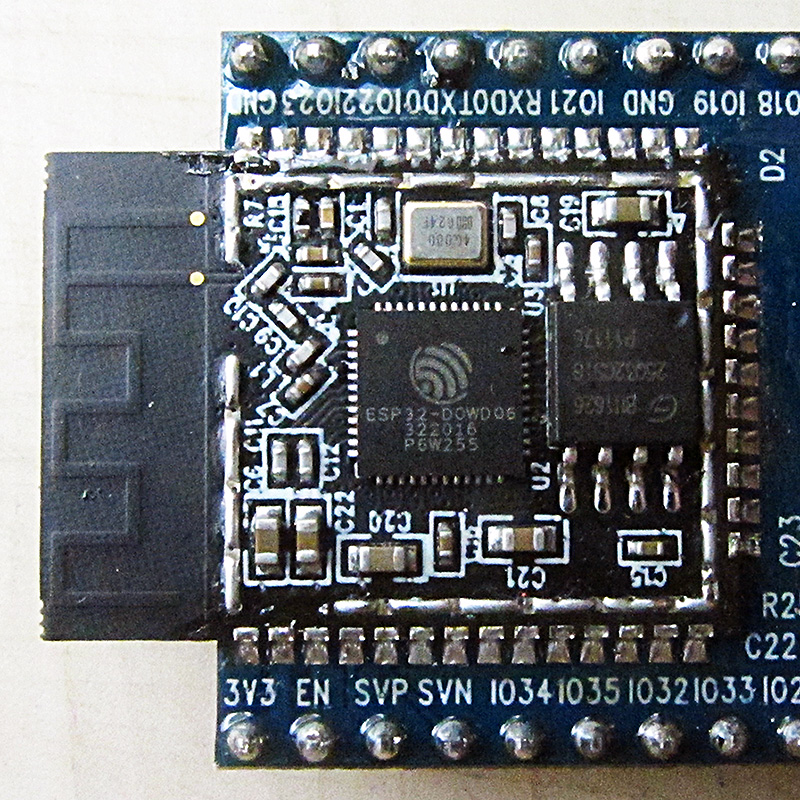 WorldESP32
Low-cost microcontroller with Wi-Fi and Bluetooth made by Espressif Systems.Microcontroller · Arm · 2016
 WorldESP32
Low-cost microcontroller with Wi-Fi and Bluetooth by Espressif SystemsMicrocontroller · x86 · 2016
WorldAcer PICA
A 1993 system logic chipset for MIPS-based Windows NT workstations.SoC · MIPS · 1993
Photo credits on this page
The small pictures above come from Wikimedia Commons under free licences. Some are cropped to fit.
- Apple S3: Henriok, CC0, source
- Allwinner A20: PersephoneII, CC BY-SA 3.0, source
- ESP32: Brian Krent, CC BY-SA 4.0, source
- OpenRISC: Lampret, Damjan, CC BY-SA 4.0, source
- Apple S1: Henriok, CC0, source
- Apple U1: Henriok, CC0, source
- Apple A7: Henriok, Public domain, source
- Apple A14 Bionic: Henriok, CC0, source
- Apple A4: Raimond Spekking, CC BY-SA 4.0, source
- Exynos: Köf3, CC BY-SA 3.0, source
- Qualcomm Snapdragon: Raimond Spekking, CC BY-SA 4.0, source
- OMAP: pandaboard.org, CC BY-SA 3.0, source
- QorIQ: Pirere, CC BY-SA 4.0, source
- Milkymist SoC: Originally uploaded by Nerd bzh (Transferred by clusternote ), CC BY-SA 3.0, source
- MT6235: Edge bit, Public domain, source
- VIA CoreFusion: Konstantin Lanzet, CC BY-SA 3.0, source
- Nexperia: Ikknmnmnm, CC BY-SA 4.0, source
- NRF51 Series: Raimond Spekking, CC BY-SA 4.0, source
- Intel Edison: Mwilde2, CC BY-SA 4.0, source
- Apple S2: Henriok, CC0, source
- Apple M1 Max: Sonic8400, CC BY-SA 4.0, source
- Apple A12Z Bionic: Henriok, CC0, source
- Apple M1 Ultra: Henriok, CC0, source
- MSX-Engine: Yaca2671, CC BY-SA 3.0, source
- Apple T1: Henriok, CC0, source
- Apple W1: Henriok, CC0, source
- Apple S4: Henriok, CC0, source
- Apple W2: Henriok, CC0, source
- TI-AR7: Raimond Spekking, CC BY-SA 4.0, source
- Apple S6: Henriok, CC0, source
- Flyport: Akaclaudio, CC BY-SA 4.0, source
- ESP32: Popolon, CC BY-SA 4.0, source
- PowerQUICC: Henrik Wannheden, CC BY-SA 4.0, source
- Tegra: Raimond Spekking, CC BY-SA 4.0, source
- Apple W3: Henriok, CC0, source