Other foundries
Tower, VIS, Hua Hong, X-FAB, SkyWater and others. 305 chips on EveryChip so far.
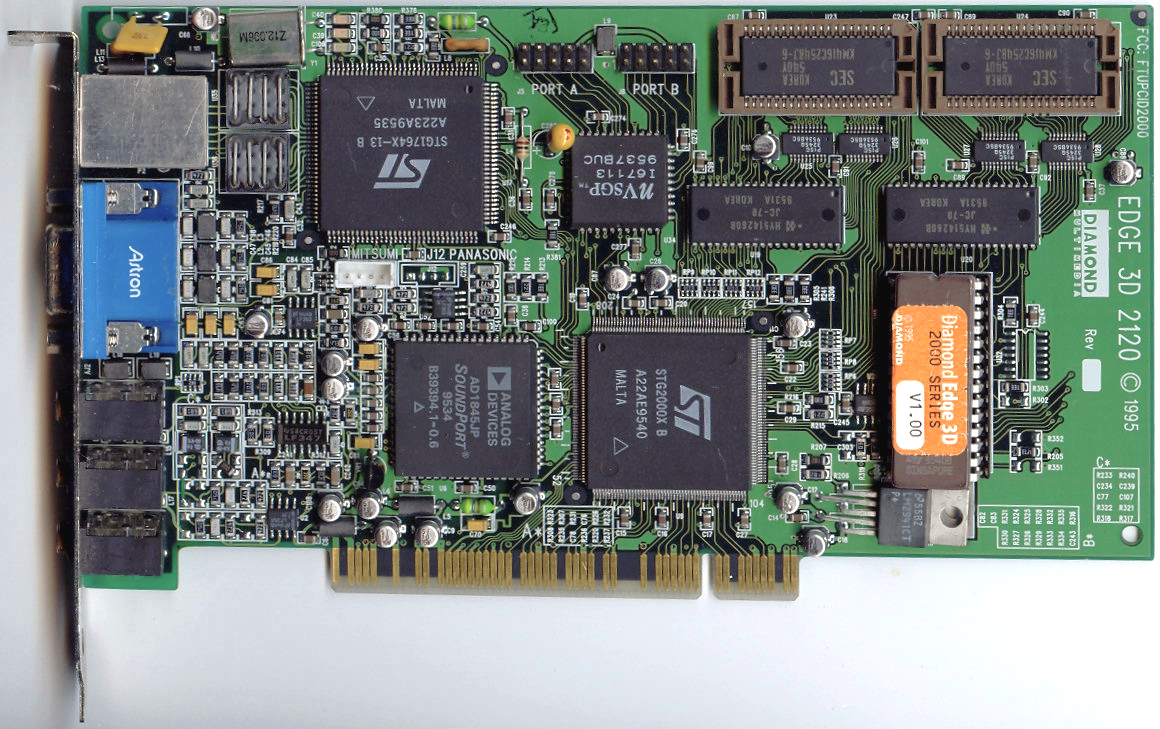
Beyond the giants, many foundries make specialised or mature-node chips: Tower Semiconductor in Israel, Vanguard International (VIS) and PSMC in Taiwan, Hua Hong in China, X-FAB in Germany and SkyWater in the United States, among others. In earlier years Chartered of Singapore and the European firm SGS-Thomson made chips for designers without fabs, including early Nvidia graphics chips.
Specialty foundries
These foundries focus on analog, power, image sensors, radio, MEMS and embedded memory, often on 200 mm wafers and older nodes. Tower, founded in 1993, was to be bought by Intel, but the deal was dropped in August 2023 after it did not receive Chinese regulatory approval in time. SkyWater, in Minnesota, released an open-source 130 nm process design kit with Google in 2020.
Early foundry partners
Before TSMC dominated, chip start-ups often used spare capacity in established firms' fabs. Nvidia's first chips, the NV1 and the RIVA 128, were made by SGS-Thomson. Chartered made some of AMD's Athlon 64 processors and helped make the Xbox 360's processor. PSMC is the technology partner for India's first commercial fab, at Dholera.
Famous other foundries chips


Further reading
 🇺🇸 United States and 1 moreSignetics 8X300
A 1976 bipolar microcontroller and signal processor from SigneticsCPU · Other · 1976
 🇺🇸 United StatesIntel 8086
16-bit microprocessor that introduced the x86 instruction set in 1978CPU · x86 · 1978
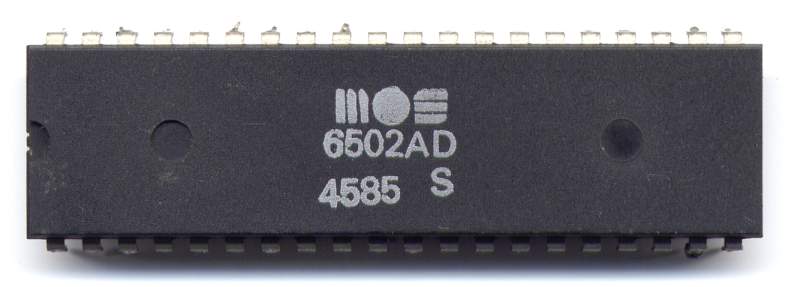 🇺🇸 United StatesMOS Technology 6502
An 8-bit microprocessor from 1975 that made cheap home computing possibleCPU · 8-bit · 1975
🇺🇸 United StatesPuma
Low-power AMD microarchitecture for notebooks and tabletsCPU · x86 · 2014
 🇺🇸 United StatesAMD Turion
Low-power x86-64 mobile processors from AMDCPU · x86 · 2005
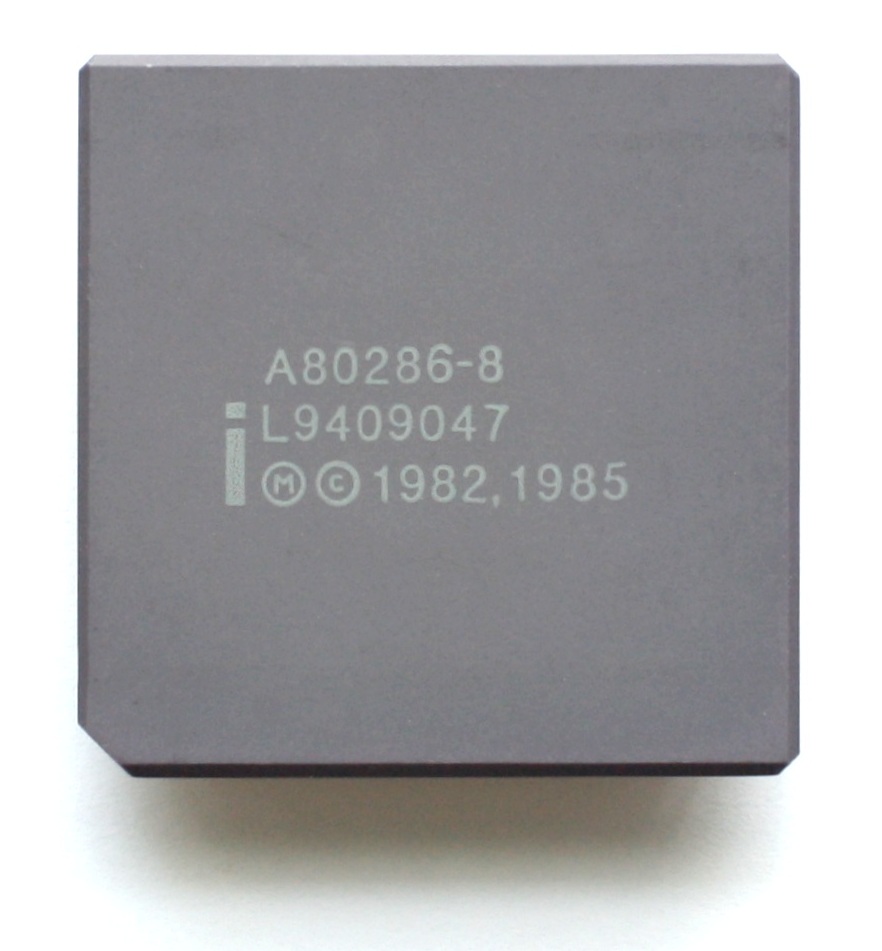 🇺🇸 United StatesIntel 80286
16-bit x86 CPU with protected mode and 24-bit addressing, launched in 1982CPU · x86 · 1982
 🇺🇸 United StatesIntel 80486
32-bit x86 CPU with pipelined execution and on-chip cache, launched 1989CPU · x86 · 1989
 🇺🇸 United States and 1 moreDEC J-11
Two-chip CMOS implementation of the PDP-11 ISA for high-end DEC machinesCPU · Other
WorldIMP-16
A 1973 bit-slice microprocessor built from five PMOS chipsCPU · Other · 1973
 🇺🇸 United StatesWinChip
Low-power x86 processor for Socket 7 systemsCPU · x86 · 1997
 🇺🇸 United StatesIntel 8080
An 8-bit microprocessor released in 1974 that launched the personal computer era.CPU · x86 · 1974
 🇯🇵 JapanSpursEngine
Toshiba media coprocessor for video and 3D tasksCPU · Other · 2007
 🇺🇸 United StatesMicroSPARC
Low-end SPARC V8 microprocessor for workstationsCPU · SPARC · 1992
 🇺🇸 United StatesHyperSPARC
SPARC V8 microprocessor by Ross Technology for CypressCPU · SPARC · 1993
🇺🇸 United States and 1 moreTurboSPARC
Low-end SPARC V8 microprocessor for workstation upgradesCPU · SPARC · 1996
🇺🇸 United StatesSPARC64
First microprocessor to implement the SPARC V9 instruction setCPU · SPARC · 1995
🇺🇸 United StatesApollo PRISM
High-performance VLIW CPU for Apollo workstationsCPU · RISC · 1988
 🇺🇸 United StatesMC88110
Second-generation Motorola RISC microprocessor for workstationsCPU · RISC · 1992
 🇺🇸 United StatesR3000
32-bit RISC microprocessor chipset from MIPS Computer SystemsCPU · MIPS · 1988
 🇺🇸 United StatesR4000
First 64-bit MIPS III microprocessor for workstations and serversCPU · MIPS · 1991
 🇺🇸 United StatesR4600
A low-cost 64-bit MIPS microprocessor for workstations and embedded systems.CPU · MIPS · 1993
 WorldR4200
Low-power MIPS III microprocessor for embedded systemsCPU · MIPS · 1993
 🇺🇸 United StatesR8000
MIPS IV microprocessor chipset for scientific computing workstations and servers.CPU · MIPS · 1994
 🇺🇸 United StatesR10000
A superscalar MIPS IV microprocessor for workstations and servers.CPU · MIPS · 1995
 🇺🇸 United StatesPowerPC G4
32-bit PowerPC microprocessor family with AltiVec vector processingCPU · Power · 1999
 WorldVIA C7
Low-power x86 processor for compact and mobile devicesCPU · x86 · 2005
 WorldMOS Technology 6510
8-bit 6502-derived CPU with a built-in I/O port, used in the Commodore 64CPU · 8-bit
🇺🇸 United StatesR2000
Early 32-bit RISC microprocessor chipset from MIPSCPU · MIPS · 1986
 🇺🇸 United StatesWDC 65C02
CMOS rework of the 6502 with lower power and extra instructionsCPU · 8-bit · 1983
🇺🇸 United StatesWDC 65C816
16-bit microprocessor from the 6502 family with 24-bit addressingCPU · Other · 1985
 🇺🇸 United States and 1 moreNS32000
National Semiconductor's 32-bit CISC microprocessor family from the 1980sCPU · Other · 1982
 🇺🇸 United StatesAMD APU
AMD chips combining CPU and GPU on one dieCPU · x86 · 2011
 🇺🇸 United StatesZilog Z8000
16-bit microprocessor family from Zilog, launched in 1979CPU · Other · 1979
 🇺🇸 United StatesIntel 80386
Intel's 32-bit x86 CPU from 1985, the base of the IA-32 instruction setCPU · x86 · 1985
 🇮🇱 IsraelIntel 8088
A 16-bit Intel microprocessor with an 8-bit external data bus, used in the original IBM PC.CPU · x86 · 1979
 🇺🇸 United StatesMotorola 68000
A 16/32-bit CISC microprocessor introduced by Motorola in 1979CPU · 68k · 1979
 🇺🇸 United States and 1 moreIntel 8087
A 1980 floating-point companion chip for the 8086 and 8088 CPUsCPU · x86 · 1980
🇺🇸 United StatesSteamroller
Third-generation AMD microarchitecture for APUsCPU · x86 · 2014
 🇺🇸 United StatesSempron
Budget desktop and mobile CPUs from AMDCPU · x86 · 2004
 🇹🇼 TaiwanVIA C3
Low-power x86 CPU family for budget PCs and embedded systemsCPU · x86 · 2001
 🇺🇸 United StatesEfficeon
Low-power x86 processor using software translationCPU · x86 · 2004
 🇺🇸 United StatesClipper
32-bit RISC-like CPU architecture by Fairchild and IntergraphCPU · RISC · 1986
 🇺🇸 United StatesCyrix 6x86
Pin-compatible Pentium rival with strong integer performanceCPU · x86 · 1995
 🇯🇵 JapanNEC V20
Pin-compatible 16-bit microprocessor with Intel 8088 compatibilityCPU · x86 · 1984
 🇺🇸 United StatesPowerPC 7xx
Third-generation 32-bit PowerPC microprocessor family for PCs and embedded systems.CPU · Power · 1997
 🇺🇸 United StatesCyrix Cx486SLC
Hybrid x86 CPU bridging 386SX boards to 486 featuresCPU · x86 · 1992
 🇹🇼 Taiwan and 1 moreVIA Nano
64-bit low-power x86 processor for PCs and embedded systemsCPU · x86 · 2008
 🇺🇸 United StatesMediaGX
Integrated x86 system on a chip for low-cost PCsSoC · x86 · 1997
Photo credits on this page
The small pictures above come from Wikimedia Commons under free licences. Some are cropped to fit.
- Microsoft XCPU (Xenon): Konstantin Lanzet, CC BY 3.0, source
- AMD APU: Wikiinger, CC0, source
- Intel 8086: Thomas Nguyen, CC BY-SA 4.0, source
- MOS Technology 6502: Dirk Oppelt, CC BY-SA 3.0, source
- AMD Turion: cole8888, CC BY-SA 2.0, source
- Intel 80286: Konstantin Lanzet (with permission), CC BY-SA 3.0, source
- Intel 80486: Thomas Nguyen, CC BY-SA 4.0, source
- DEC J-11: Konstantin Lanzet, CC BY-SA 3.0, source
- WinChip: Konstantin Lanzet, CC BY 3.0, source
- Intel 8080: Christian Bassow, CC BY-SA 4.0, source
- SpursEngine: Henriok, CC0, source
- MicroSPARC: Pauli Rautakorpi, CC BY 3.0, source
- NS32000: Konstantin Lanzet, CC BY-SA 3.0, source
- Signetics 8X300: Konstantin Lanzet, GFDL, source
- Zilog Z8000: Myself User:ZyMOS, CC BY-SA 4.0, source
- Intel 80386: Mister rf, CC BY-SA 4.0, source
- Intel 8088: Unknown author, CC BY-SA 3.0, source
- Motorola 68000: en:User:ArnoldReinhold, CC BY-SA 3.0, source
- Intel 8087: Unknown author, CC BY-SA 3.0, source
- Sempron: Raimond Spekking, CC BY-SA 4.0, source
- VIA C3: Endorphin, CC BY-SA 2.5, source
- Efficeon: Photographed by Qurren ( talk ), with IXY Digital 10 compact digital c, CC BY-SA 3.0, source
- Clipper: Unknown author, CC BY-SA 3.0, source
- Cyrix 6x86: Konstantin Lanzet, GFDL, source
- NEC V20: Myself User:ZyMOS, CC BY-SA 4.0, source
- NV1: Swaaye at English Wikipedia, CC BY-SA 3.0, source
- RIVA 128: Raimond Spekking, CC BY-SA 4.0, source
- PowerPC 7xx: Henrik Wannheden, Public domain, source
- Cyrix Cx486SLC: htomari, CC BY-SA 2.0, source
- VIA Nano: VIA Gallery, CC BY 2.0, source
- MediaGX: Appaloosa, CC BY-SA 3.0, source
- HyperSPARC: Pauli Rautakorpi, CC BY 3.0, source
- MC88110: Konstantin Lanzet, GFDL, source
- R3000: Pauli Rautakorpi, CC BY 3.0, source
- R4000: Konstantin Lanzet, CC BY-SA 3.0, source
- R4600: Konstantin Lanzet (with permission), CC BY-SA 3.0, source
- R4200: Yaca2671, CC BY-SA 3.0, source
- R8000: Pauli Rautakorpi, CC BY 3.0, source
- R10000: Konstantin Lanzet, CC BY-SA 3.0, source
- PowerPC G4: Henrik Wannheden, Public domain, source
- VIA C7: Konstantin Lanzet, CC BY-SA 3.0, source
- Athlon 64: Astraera, CC BY-SA 4.0, source
- MOS Technology 6510: Konstantin Lanzet, CC BY 3.0, source
- WDC 65C02: Antoinebercovici, CC BY-SA 4.0, source