🇯🇵 Chips of Japan
83 chips from Japan, best known first.
Japan's chip sector grew with state backing from the 1960s and dominated DRAM sales by the 1980s. A bubble-era slump, restructuring and foreign competition then cut its share. Recent years bring new ventures and a revived Kyushu cluster.
- A 1976 MITI project with five firms yielded more than 1,000 patents.
- Japan made over half the world's semiconductors in 1988.
- NEC's 1968 Kyushu site was then the largest chip plant anywhere.
- Elpida Memory collapsed in 2012 and was bought by Micron Technology.
- METI in 2022 backed a TSMC, Sony and Denso plant in Kumamoto.
Chips in Japan
State support and joint research programmes helped Japanese firms build a strong chip sector from the 1960s onward. By the 1980s the country supplied most of the world's DRAM, the simple memory chips used to hold data. Factories clustered around Tokyo and on Kyushu, the southern island nicknamed Silicon Island. Research work stayed near the capital. The firms involved were already big makers of other goods before a wave of mergers reshaped the sector in the 1990s. Later shocks, from a credit crunch to a major earthquake, weakened the position further.
History
Work on chips began in the early 1960s. Foreign suppliers seeking entry had to hand over technology. Through the 1970s the state paid for research, urged firms to work together, and shielded the home market. A 1976 MITI project pooled five makers and produced over 1,000 patents. Low defect rates, helped by automated lines, gave Japan 40% of 16K RAM sales, then a majority at 64K and more at 256K. A 1986 trade deal raised prices and profits; by 1988 Japan made over half the world's chips. The 1990s brought a credit crunch, mergers and exits.
Companies
Elpida Memory and Renesas Electronics emerged from late-1990s mergers. Fujitsu left DRAM in 1999. Elpida failed in 2012 and went to Micron. Toshiba Memory, a top NAND maker, was sold in 2018 to a group including SK Hynix, which was barred from its secrets. In 2022 several firms joined the state to form Rapidus, meant to become a logic foundry after research.
Fabs and places
Kyushu drew plants with its workforce, water, hydropower, airports and cheap land. Mitsubishi Electric opened the first there in 1967, and NEC the next year a site then the world's biggest. NEC ran three island plants making about 80% of its 64K RAM. Output ranked third worldwide by the mid-1980s, then fell as costs and methods changed and every DRAM plant closed. Firms turned to ASICs. In 2022 METI backed a TSMC, Sony and Denso foundry in Kumamoto.
Policy and support
Officials pressed foreign suppliers for technology transfers in the 1960s. Subsidies, import shelter, cheap capital and a 1976 five-firm research project followed. The 1986 U.S. deal lifted prices. METI in 2022 pledged aid for the Kumamoto plant.
Today
Rapidus, set up in 2022 with state and corporate backing, is in a research phase before aiming to make logic chips to order. The Kumamoto foundry, supported by METI, is presented as bringing the Silicon Island label back to Kyushu.
The facts in this overview come from the Wikipedia article "Semiconductor industry in Japan", written by its contributors and used under the CC BY-SA 4.0 licence. EveryChip rewrote the text in its own words, with AI assistance, and compares every page with the article to make sure no passage is copied. It may be reused under the same CC BY-SA 4.0 licence with a link back.
Chip hubs in Japan
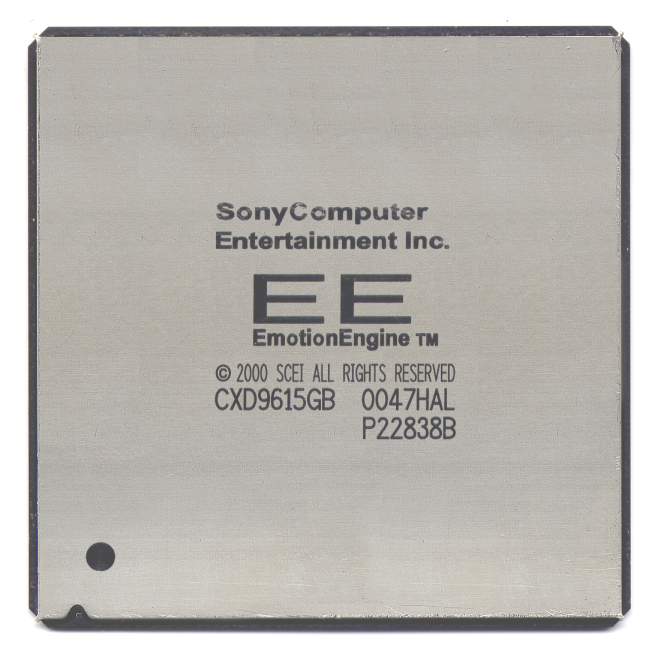 🇯🇵 JapanEmotion Engine
Sony and Toshiba's CPU for the PlayStation 2 consoleCPU · MIPS · 1999
 🇯🇵 JapanHitachi 6309
Hitachi's CMOS 8-bit microprocessor, a faster and richer 6809CPU · 8-bit · 1985
 🇯🇵 JapanHD64180
A Z80-based embedded microprocessor with on-chip MMU and peripheralsCPU · 8-bit · 1985
 🇯🇵 JapanNEC V20
Pin-compatible 16-bit microprocessor with Intel 8088 compatibilityCPU · x86 · 1984
 🇯🇵 JapanSpursEngine
Toshiba media coprocessor for video and 3D tasksCPU · Other · 2007
 🇯🇵 Japan and 1 moreSX-Aurora TSUBASA
PCIe vector processor card for high-performance computingCPU · Other · 2022
 🇯🇵 JapanV850
32-bit RISC microcontroller architecture for embedded systemsMicrocontroller · RISC · 1994
🇯🇵 JapanFujitsu FR
32-bit RISC processor family by Fujitsu for embedded controlCPU · RISC
 🇯🇵 JapanNEC μCOM series
NEC microprocessor and microcontroller family from the 1970s and 1980sCPU · x86 · 1973
 🇯🇵 JapanMN103
32-bit microprocessor series with media processing for consumer electronicsCPU · Other
 🇺🇸 United States and 1 moreEspresso
32-bit PowerPC CPU for the Nintendo Wii U consoleCPU · Power · 2012
 🇯🇵 JapanRicoh 2A03
8-bit CPU and sound chip for the Nintendo Entertainment SystemCPU · 68k · 1983
 🇯🇵 JapanSPARC64 V
Single-core SPARC V9 server microprocessor by FujitsuCPU · Other · 2001
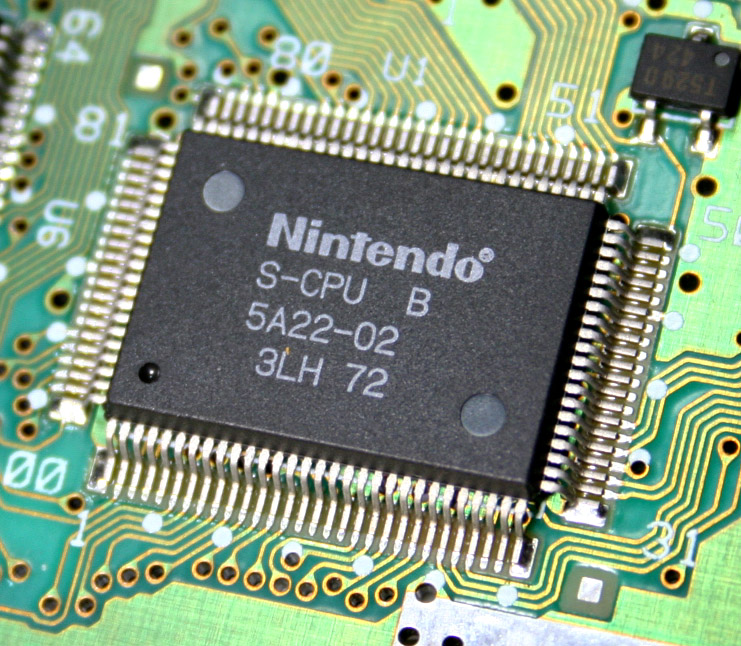 🇯🇵 JapanRicoh 5A22
Custom CPU for the Super Nintendo Entertainment SystemCPU · 8-bit
 🇯🇵 JapanFR-V
Fujitsu VLIW and vector processor for imagingCPU · VLIW · 1999
🇯🇵 JapanR800
Z80-compatible pipelined CPU for MSX Turbo-R computersCPU · Other
 🇯🇵 JapanSPARClite
A discontinued 32-bit RISC processor family for embedded systems.CPU · SPARC
 🇺🇸 United States and 1 moreSuperSPARC
Sun Microsystems SPARC V8 microprocessor from 1992CPU · RISC · 1992
🇺🇸 United States and 1 moreTurboSPARC
Low-end SPARC V8 microprocessor for workstation upgradesCPU · SPARC · 1996
 🇯🇵 JapanNEC V60
32-bit CISC microprocessor family from NEC for embedded and arcade useCPU · Other · 1986
🇯🇵 JapanMonaka
Arm-based data centre CPU with 3D stackingCPU · Arm · 2027
 🇯🇵 JapanHuC6280
8-bit microprocessor for the TurboGrafx-16 consoleCPU · 8-bit
 🇯🇵 JapanNEC µPD780C
Zilog Z80 compatible 8-bit microprocessor by NECCPU · Other
🇯🇵 JapanSPARC64 V
Fujitsu SPARC V9 server microprocessor from 2001CPU · SPARC · 2001
🇯🇵 JapanΜCOM-4
NEC original 4-bit single-chip microprocessor from 1973Microcontroller · Other · 1973
 🇯🇵 JapanNEC V20
Pin-compatible 16-bit microprocessor with Intel 8088 compatibilityCPU · x86 · 1982
🇯🇵 JapanMB86900
First SPARC V7 microprocessor by FujitsuCPU · SPARC · 1986
Photo credits on this page
The small pictures above come from Wikimedia Commons under free licences. Some are cropped to fit.
- Emotion Engine: Unknown author, CC BY-SA 3.0, source
- Hitachi 6309: No machine-readable author provided. Lamune~commonswiki assumed (based, Public domain, source
- SpursEngine: Henriok, CC0, source
- HuC6280: The original uploader was Baz1521 at Japanese Wikipedia ., CC BY-SA 3.0, source
- HD64180: User:Fuwuyuan, Public domain, source
- NEC V20: Myself User:ZyMOS, CC BY-SA 4.0, source
- SX-Aurora TSUBASA: Vectoriser, CC BY-SA 4.0, source
- V850: photo: Qurren ( talk ), with IXY 10S compact digital camera., CC BY-SA 3.0, source
- NEC μCOM series: Konstantin Lanzet, CC BY-SA 3.0, source
- MN103: Raimond Spekking, CC BY-SA 4.0, source
- SPARC64 V: 223系新快速, CC BY-SA 4.0, source
- Ricoh 2A03: PantheraLeo1359531, CC BY 4.0, source
- Ricoh 5A22: Yaca2671, CC BY-SA 3.0, source
- FR-V: Picty, CC BY-SA 4.0, source
- SPARClite: Mister rf, CC BY-SA 4.0, source
- SuperSPARC: Konstantin Lanzet, CC BY-SA 3.0, source
- NEC V60: Pauli Rautakorpi, CC BY 3.0, source
- NEC µPD780C: Konstantin Lanzet, CC BY-SA 4.0, source
- NEC V20: Raimond Spekking, CC BY-SA 4.0, source
- Espresso: Henriok, CC0, source