PCs and laptops
Desktop and laptop processors, chipsets and graphics. 484 chips on EveryChip so far.
Personal computers and laptops have been built around x86 processors since IBM chose the Intel 8088 for its PC in 1981. Intel and AMD have competed for decades, from the 486 and Pentium to Athlon, Core and Ryzen. Since 2020 Apple's Arm-based M-series and later Qualcomm's Snapdragon X chips have brought Arm into laptops. A PC also holds a GPU, chipset, memory and storage chips.
Intel, AMD and the clock race
Through the 1990s PC chips were sold on clock speed, which rose from tens of megahertz to over 1 GHz in 2000. After the Pentium 4 hit power limits, the focus moved to multiple cores and efficiency, led by Intel's Core 2 in 2006 and AMD's Zen-based Ryzen in 2017. Today's laptop chips mix performance and efficiency cores and include AI engines called NPUs.
Arm arrives
Apple's M1 of 2020 showed that an Arm SoC could match or beat x86 laptops in performance per watt, and Apple moved its whole Mac range to its own chips by 2023. Microsoft's Windows on Arm gained Qualcomm's Snapdragon X Elite in 2024. Intel's Lunar Lake of 2024 responded with memory placed in the processor package, a technique Apple also uses.
Famous PCs and laptops chips
 Intel 8088The processor of the 1981 IBM PC
 I486Intel's 1989 chip with on-chip cache and maths unit
 PentiumIntel's 1993 brand that defined 1990s PCs
 Athlon 64AMD's 64-bit desktop chip, 2003
 Intel Core 2Intel's 2006 efficient multi-core line
 RyzenAMD's Zen-based PC processors, 2017
 Apple M1 UltraApple's first Mac chip, 2020
 Lunar LakeIntel's 2024 laptop chip with on-package memory
Further reading
 🇺🇸 United StatesWDC 65C02
CMOS rework of the 6502 with lower power and extra instructionsCPU · 8-bit · 1983
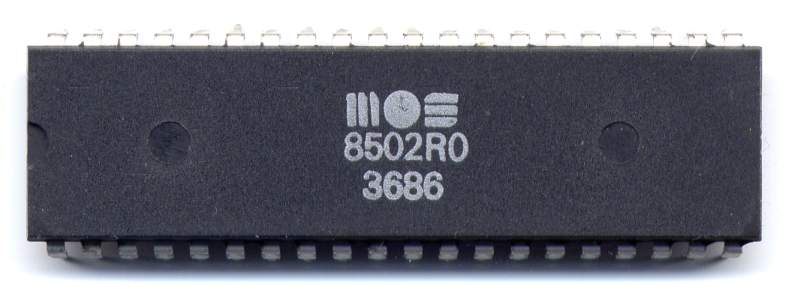 WorldMOS Technology 8502
An 8-bit CPU from MOS Technology that powered the Commodore 128CPU · 8-bit
 🇯🇵 JapanHitachi 6309
Hitachi's CMOS 8-bit microprocessor, a faster and richer 6809CPU · 8-bit · 1985
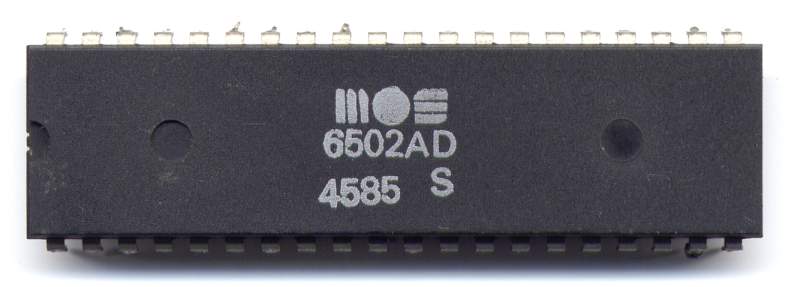 🇺🇸 United StatesMOS Technology 6502
An 8-bit microprocessor from 1975 that made cheap home computing possibleCPU · 8-bit · 1975
 🇯🇵 JapanHD64180
A Z80-based embedded microprocessor with on-chip MMU and peripheralsCPU · 8-bit · 1985
 🇺🇸 United StatesIntel 8008
Early 8-bit microprocessor from Intel, launched April 1972CPU · 8-bit · 1972
 WorldMOS Technology 6510
8-bit 6502-derived CPU with a built-in I/O port, used in the Commodore 64CPU · 8-bit
WorldMOS Technology 6509
6502 microprocessor with on-chip bank switching for 1 MB RAMCPU · 8-bit
Photo credits on this page
The small pictures above come from Wikimedia Commons under free licences. Some are cropped to fit.
- Lunar Lake: LaptopMedia, CC BY 3.0, source
- MOS Technology 6502: Dirk Oppelt, CC BY-SA 3.0, source
- MOS Technology 8502: Unknown author, CC BY-SA 3.0, source
- Hitachi 6309: No machine-readable author provided. Lamune~commonswiki assumed (based, Public domain, source
- HD64180: User:Fuwuyuan, Public domain, source
- Intel Core 2: Raimond Spekking, CC BY-SA 4.0, source
- Intel 8008: Konstantin Lanzet, CC BY-SA 4.0, source
- Intel 8088: Unknown author, CC BY-SA 3.0, source
- Pentium: Pdesousa359, CC BY-SA 3.0, source
- I486: Konstantin Lanzet, GFDL, source
- Apple M1 Ultra: Henriok, CC0, source
- Ryzen: ICCTsHeY, CC BY-SA 4.0, source
- Athlon 64: Astraera, CC BY-SA 4.0, source
- MOS Technology 6510: Konstantin Lanzet, CC BY 3.0, source
- WDC 65C02: Antoinebercovici, CC BY-SA 4.0, source