Phones and tablets
Application processors, modems and the camera and power chips of a phone. 201 chips on EveryChip so far.
Phones and tablets are built around a system on a chip (SoC) that combines processor cores, graphics, an AI engine, camera and video processing, and often the modem. Around it sit memory, storage, power management, radio and sensor chips, many dozens in all. Nearly all phone processors use the Arm instruction set. Apple, Qualcomm, MediaTek, Samsung, Google and Huawei's HiSilicon design them.
Power is the limit
A phone has no fan and a small battery, so its chips must do as much as possible within a few watts. Phone SoCs mix big, fast cores for bursts of work with small, efficient cores for background tasks, a scheme Arm called big.LITTLE. They switch parts of the chip off when not needed. Each new phone chip is usually among the first on a new process node.
Milestones
Texas Instruments' OMAP chips ran many early smartphones. Apple's A4 of 2010 was its first in-house design, and its A7 of 2013 was the first 64-bit phone chip. Qualcomm's Snapdragon became the main chip of Android flagships, while MediaTek grew from low-cost phones to high-end ones. Google's Tensor chips, from 2021, focused on on-device AI.
Famous phones and tablets chips
 Apple A4Apple's first in-house SoC, 2010
 Apple A7First 64-bit phone chip, 2013Apple A18iPhone 16 chip, 2024
 Qualcomm SnapdragonChips of many Android flagships
 ExynosSamsung's phone SoCsGoogle TensorGoogle's Pixel chips, from 2021
 ARM Cortex-A53Efficiency core in billions of phones
 OMAPTI's early smartphone chips
Further reading
 🇺🇸 United StatesApple M-series coprocessors
Motion sensors helper chips for Apple mobile devicesMicrocontroller · Arm · 2013
 🇨🇭 SwitzerlandNomadik
Multimedia application processors for mobile devicesSoC · Arm · 2003
 🇺🇸 United StatesDragonBall
Low-power microcontroller for early handheld computersMicrocontroller · 68k · 1995
 🇯🇵 JapanV850
32-bit RISC microcontroller architecture for embedded systemsMicrocontroller · RISC · 1994
🇬🇧 United KingdomXAP processor
Low-power RISC core for wireless and sensor chipsMicrocontroller · RISC · 1994
 🇺🇸 United StatesTMS320
Texas Instruments' long-running family of digital signal processorsDSP · Other · 1983
 WorldARM7
A family of 32-bit RISC cores licensed by ARM for microcontroller useCPU · Arm · 1993
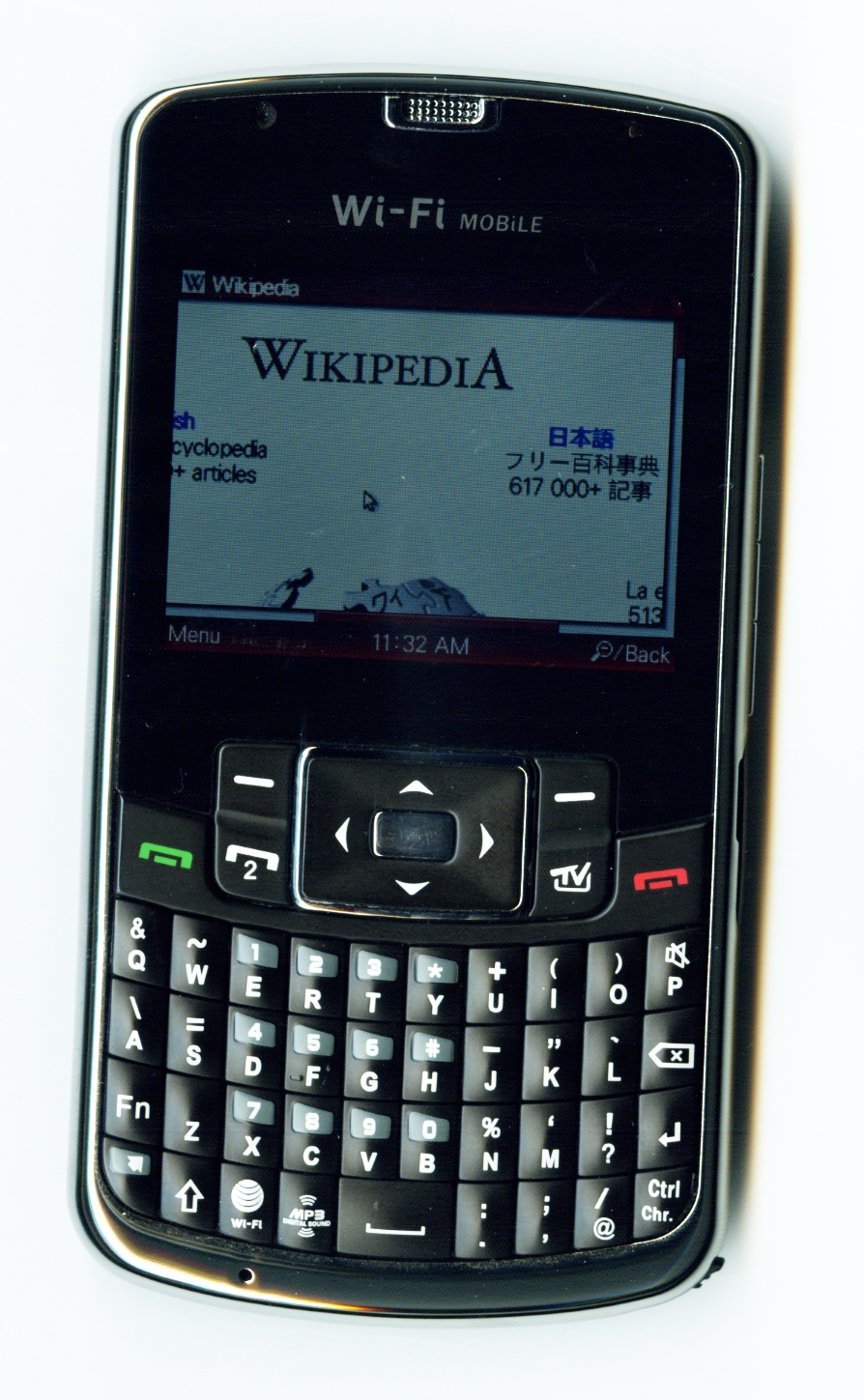 WorldMT6235
MediaTek baseband processor for feature phonesSoC · Arm
 🇳🇱 NetherlandsNexperia
Brand for NXP media and mobile system-on-chipsSoC · Arm · 1999
WorldIOIO
Open source microcontroller board for Android hardware controlMicrocontroller · Other · 2011
 🇨🇿 Czech RepublicTurbo SIM
Microcontroller add-on for GSM SIM cards to bypass network locksMicrocontroller · Other · 2004
 WorldNRF51 Series
Ultra low-power wireless system on a chip familySoC · Arm
Photo credits on this page
The small pictures above come from Wikimedia Commons under free licences. Some are cropped to fit.
- Apple M-series coprocessors: Henriok, CC0, source
- Apple A7: Henriok, Public domain, source
- Apple A4: Raimond Spekking, CC BY-SA 4.0, source
- Exynos: Köf3, CC BY-SA 3.0, source
- Qualcomm Snapdragon: Raimond Spekking, CC BY-SA 4.0, source
- ARM Cortex-A53: Raimond Spekking, CC BY-SA 4.0, source
- ARM7: Raimond Spekking, CC BY-SA 4.0, source
- OMAP: pandaboard.org, CC BY-SA 3.0, source
- Nomadik: Nixdorf, CC BY-SA 3.0, source
- DragonBall: Raimond Spekking, CC BY-SA 4.0, source
- V850: photo: Qurren ( talk ), with IXY 10S compact digital camera., CC BY-SA 3.0, source
- MT6235: Edge bit, Public domain, source
- Nexperia: Ikknmnmnm, CC BY-SA 4.0, source
- NRF51 Series: Raimond Spekking, CC BY-SA 4.0, source
- Turbo SIM: Tom Reynolds, CC BY 2.0, source
- TMS320: Raimond Spekking, CC BY-SA 4.0, source