
Apple M-series coprocessors
Motion sensors helper chips for Apple mobile devices
Apple introduced these motion coprocessors in 2013 to handle sensor data separately from the main CPU. They track movement using accelerometers and gyroscopes to save battery life in iPhones and iPads.
- First released in September 2013 with the iPhone 5S
- Uses ARM Cortex-M3 core running at up to 150 MHz
- Offloads sensor data processing to save battery life
- M7 identified as customised NXP LPC18A1 microcontroller
What it is
The Apple M-series consists of specialised microcontrollers designed to manage motion data in mobile devices. Released starting in 2013, these chips collect input from accelerometers, gyroscopes, compasses and barometers. By handling this continuous stream of information, they allow the main central processing unit to remain idle or sleep for longer periods. This separation of tasks significantly reduces power consumption and extends battery life. The series began with discrete components before moving into larger system-on-chip packages.
How it came about
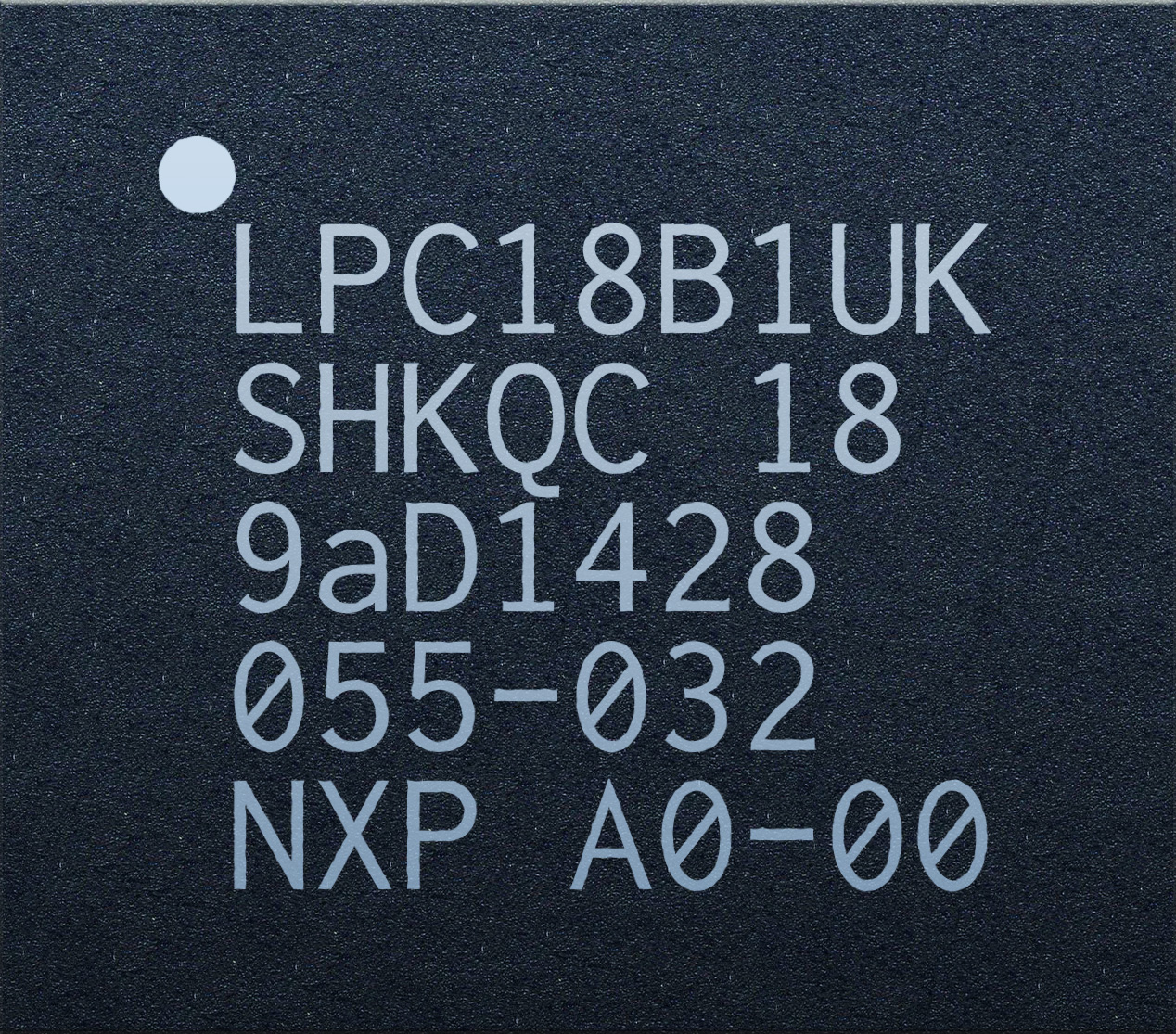
Apple launched the first model, the M7 codenamed Oscar, in September 2013 alongside the iPhone 5S. Analysis by Chipworks identified it as a customised NXP LPC18A1 microcontroller. The following year, the M8 arrived with the iPhone 6, adding support for barometric pressure data. iFixit later confirmed the M8 was an NXP LPC18B1 device. From 2015 onwards, Apple integrated these functions directly into its A-series processors, starting with the M9 inside the A9 chip. The standalone naming convention ended after the M11, though the functionality persists within newer silicon.
Inside the chip
These units rely on the ARM Cortex-M3 architecture, a common design for low-power embedded tasks. The initial chips operated at speeds up to 150 MHz and were manufactured using a 90 nanometre process node. They feature a single core dedicated to processing sensor inputs efficiently. The M7 and M8 were distinct physical chips, while later versions like the M9 and M10 became embedded blocks within the main application processor. This integration allowed them to access microphone data for voice commands in addition to motion tracking.
Where it went
Developers access these processors through the Core Motion application programming interface in iOS. This allows fitness applications to track walking, running or cycling without draining the battery by keeping the main processor active. The chips also enable features such as indoor mapping and raise-to-wake functionality introduced in iOS 10. By storing data while the device is asleep, they provide a continuous record of user activity that apps can retrieve upon waking.
Versions and family
The M7 was the inaugural model, followed by the M8 which added barometer support. The M9 integrated into the A9 and A9X systems, adding Siri voice recognition capabilities. The M10 appeared in the A10 Fusion and A10X Fusion chips. The M11 was the last to carry the specific M-series label, residing within the A11 Bionic. Subsequent generations absorbed the motion processing duties entirely into the main SoC, dropping the separate M designation until its reuse for Mac computers in 2020.
Why it matters
This series established a standard for efficient sensor handling in smartphones. By offloading always-on tasks, it enabled new classes of health and fitness applications that could run continuously. The approach influenced how mobile operating systems manage background processes to preserve energy. It demonstrated the value of heterogeneous computing, where specialised cores handle specific jobs better than a general-purpose processor.



Questions people ask about Apple M-series coprocessors
What is the main purpose of the Apple M-series chips?
They collect and process data from motion sensors like accelerometers and gyroscopes. This offloads work from the main CPU, allowing the device to save power and extend battery life while still tracking activity.
Which company actually manufactured the early M7 and M8 chips?
NXP Semiconductors designed and manufactured the early discrete versions. The M7 is identified as an NXP LPC18A1, and the M8 as an LPC18B1. TSMC and Samsung also manufactured parts under contract for Apple.
Why did Apple stop using the M-series name for newer iPhones?
Starting with the A12 Bionic, Apple integrated the motion coprocessor functions directly into the main system-on-chip. They abandoned the separate M-series nomenclature because the functionality was no longer a distinct external component.
Good reading and sources
- Apple motion coprocessors on WikipediaEncyclopedia
- More photos on Wikimedia CommonsPhotos
- Wikidata recordOpen data
The facts on this page come from the Wikipedia article "Apple motion coprocessors", written by its contributors and used under the CC BY-SA 4.0 licence, and from its Wikidata record (CC0). EveryChip rewrote the text in its own words, with AI assistance, and compares every page with the article to make sure no passage is copied. It may be reused under the same CC BY-SA 4.0 licence with a link back.
It may contain mistakes, and figures change over time. Nothing here is investment or buying advice. If something is wrong, tell us. Last refreshed 2026-11-14.
Like Apple M-series coprocessors
All microcontrollers WorldESP32
Low-cost microcontroller with Wi-Fi and Bluetooth made by Espressif Systems.Microcontroller · Arm · 2016
 WorldESP32
Low-cost microcontroller with Wi-Fi and Bluetooth by Espressif SystemsMicrocontroller · x86 · 2016
 🇬🇧 United KingdomRP2040
Dual-core ARM Cortex-M0+ microcontroller by Raspberry PiMicrocontroller · Arm · 2021
 🇨🇭 SwitzerlandNomadik
Multimedia application processors for mobile devicesSoC · Arm · 2003
More from Apple Inc.
All of them 🇺🇸 United StatesApple A7
First 64-bit system on a chip for consumer smartphonesSoC · Arm · 2013
 🇺🇸 United StatesApple A6
32-bit mobile system on a chip for iPhone 5SoC · Arm · 2012
 🇺🇸 United StatesApple A8X
64-bit ARM system on a chip for the iPad Air 2SoC · Arm · 2014
 🇺🇸 United StatesApple A5X
32-bit SoC for the third-generation iPad with quad-core graphicsSoC · Arm · 2012