
RP2040
Dual-core ARM Cortex-M0+ microcontroller by Raspberry Pi
The RP2040 is a 32-bit dual-core microcontroller designed by Raspberry Pi Ltd and released in January 2021. It features ARM Cortex-M0+ cores, extensive programmable I/O, and supports external flash memory for low-cost embedded applications.
- Dual ARM Cortex-M0+ cores running up to 200 MHz
- 264 KB SRAM with no internal flash memory
- Eight programmable IO state machines for custom logic
- Manufactured by TSMC on a 40 nm process node
- Supports C, Python, Rust and other programming languages
What it is
The RP2040 is a 32-bit microcontroller unit developed by Raspberry Pi Ltd. Announced in January 2021, it serves as the heart of the Raspberry Pi Pico board. This chip targets low-cost embedded projects and Internet of Things devices. It offers dual processing cores and flexible input-output options. The design allows developers to use various programming languages, including C, Python, and Rust. Its open ecosystem encourages widespread adoption among hobbyists and engineers alike.
How it came about
Raspberry Pi Ltd designed this chip as its first independent microcontroller. The company aimed to provide an affordable alternative to existing market options. Announced on 21 January 2021, the launch coincided with the release of the Pico board. Several major manufacturers, including Adafruit and Arduino, prepared products using this silicon. The strategy focused on broad availability and low pricing to drive community engagement and industrial use.
Inside the chip
The chip contains two ARM Cortex-M0+ cores based on the ARMv6-M instruction set. These cores initially ran at 133 MHz but were later certified for 200 MHz operation. It includes 264 KB of static RAM split into six banks. Notably, it lacks internal flash memory, requiring firmware to load from external storage via USB or QSPI. Eight programmable input-output state machines allow custom hardware interface logic without burdening the main cores.
How it was made
Taiwan Semiconductor Manufacturing Company produces the RP2040 using a 40 nanometre process node. The physical chip measures 7 by 7 millimetres in a QFN-56EP surface-mount package. This manufacturing choice balances performance with cost efficiency. Multiple stepping levels of the silicon have been produced over time. The package includes an exposed pad for thermal management and electrical grounding.
Where it went
This microcontroller powers the Raspberry Pi Pico and boards from partners like SparkFun and Pimoroni. It suits applications requiring precise timing or custom signal generation due to its programmable IO blocks. Developers use it for robotics, sensor hubs, and simple consumer electronics. The chip can even run lightweight machine learning models like TensorFlow Lite. Its USB controller supports both host and device modes for versatile connectivity.
Versions and family
The RP2350 series succeeds this model, offering enhanced capabilities. While the RP2040 remains in production, newer designs may prefer the updated successor. The chip itself has seen multiple silicon revisions or stepping levels during its lifecycle. Various third-party boards integrate the same core silicon with different peripheral layouts. These variants maintain compatibility with the original software ecosystem.
Why it matters
The release marked Raspberry Pi's entry into the microcontroller market, challenging established players. Its low price point of one dollar per unit disrupted cost expectations for capable 32-bit chips. The strong community support and diverse language compatibility accelerated its adoption in education and prototyping. It demonstrated that high-quality documentation and open tools could drive hardware success.
Problems and reception
Reviewers praised the feature set and value proposition. Hackaday highlighted the benefits of the Raspberry Pi brand backing the silicon. The lack of internal flash was noted as a design trade-off that simplified the chip while keeping costs down. The ability to program in high-level languages like MicroPython made it accessible to beginners.


Questions people ask about RP2040
Does the RP2040 have built-in storage?
No, the chip does not contain internal flash or EEPROM memory. It relies on external flash memory connected via the QSPI bus or loads firmware directly into SRAM through USB after reset.
What programming languages work with this chip?
It supports a wide range of languages including C, C++, MicroPython, CircuitPython, Rust, Go, Swift, and Assembly. This flexibility allows developers to choose tools best suited for their specific project needs.
Who manufactures the RP2040 silicon?
TSMC manufactures the chip using its 40 nanometre process technology. Raspberry Pi Ltd designed the architecture and specifications, while TSMC handles the physical production of the integrated circuits.
Good reading and sources
- Official websiteOfficial site
- Raspberry Pi: Here's how we built our own chip to power the PicoZDNET, Article
The facts on this page come from the Wikipedia article "RP2040", written by its contributors and used under the CC BY-SA 4.0 licence, and from its Wikidata record (CC0). EveryChip rewrote the text in its own words, with AI assistance, and compares every page with the article to make sure no passage is copied. It may be reused under the same CC BY-SA 4.0 licence with a link back.
It may contain mistakes, and figures change over time. Nothing here is investment or buying advice. If something is wrong, tell us. Last refreshed 2026-11-14.
Like RP2040
All microcontrollers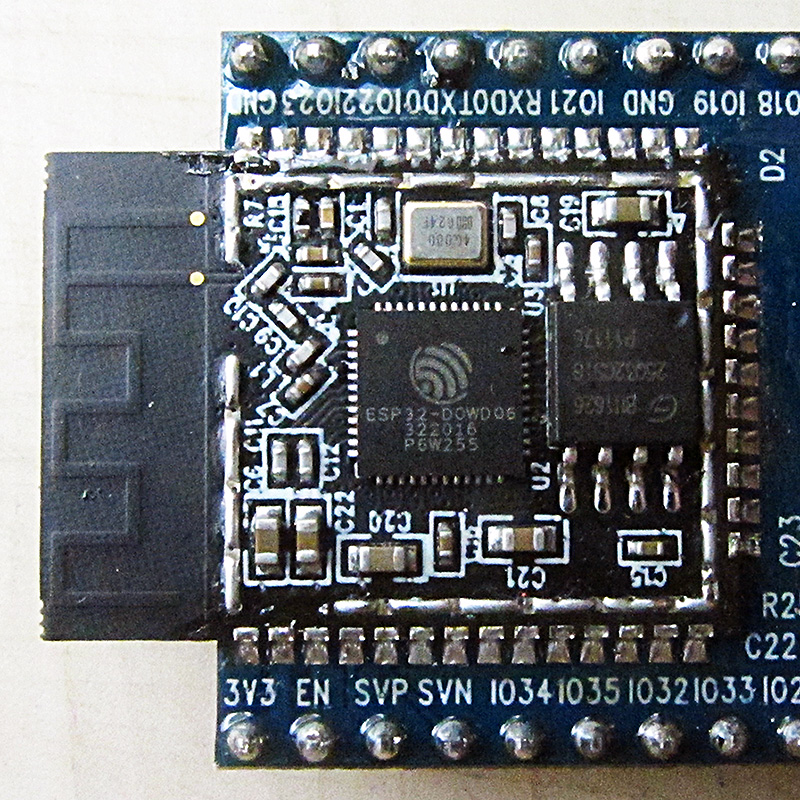 WorldESP32
Low-cost microcontroller with Wi-Fi and Bluetooth made by Espressif Systems.Microcontroller · Arm · 2016
🇨🇳 ChinaESP32
Low-cost Wi-Fi and Bluetooth microcontroller family by EspressifMicrocontroller · RISC · 2021
 🇨🇳 ChinaESP32
Low-cost Wi-Fi and Bluetooth microcontroller family from Espressif SystemsMicrocontroller · RISC · 2016
 WorldESP32
Low-cost microcontroller with Wi-Fi and Bluetooth by Espressif SystemsMicrocontroller · x86 · 2016
More from Raspberry Pi Ltd
All of them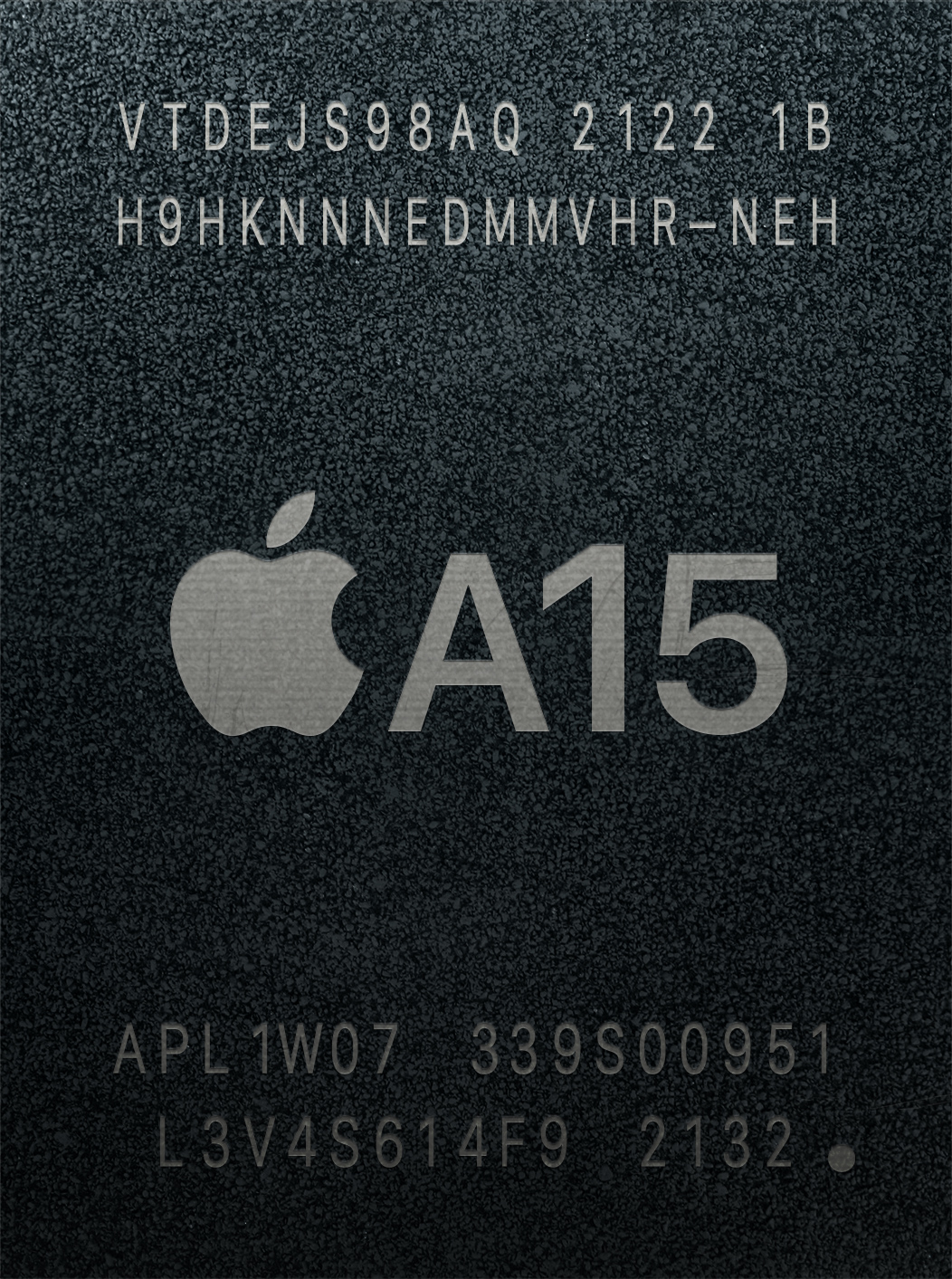 🇺🇸 United StatesApple A15 Bionic
Six-core ARM system on a chip for Apple mobile devicesSoC · Arm · 2021
 🇺🇸 United StatesApple M1 Pro
Professional ARM system-on-a-chip for Mac laptopsSoC · Arm · 2021
🇺🇸 United StatesApple M1 Max
High-performance ARM system-on-a-chip for professional MacsSoC · Arm · 2021
🇺🇸 United StatesRDNA 2
AMD GPU microarchitecture for gaming and consolesGPU · GPU architecture · 2020