Deep submicron: 180 to 65 nm
The Pentium 4, Athlon 64, the first multi-core chips and the early smartphone processors. 119 chips.
KindCPUGPUAI acceleratorSoCMicrocontrollerMemoryFPGADSPNetwork chipModemSensorAnalogConsole chipMining or securityQuantum
 🇯🇵 JapanSPARC64 V
Single-core SPARC V9 server microprocessor by FujitsuCPU · Other · 2001
 🇺🇸 United StatesPOWER4
First dual-core non-embedded microprocessor from IBMCPU · Power · 2001
 WorldPOWER6
Dual-core IBM server microprocessor with hardware decimal mathCPU · Power · 2007
 🇺🇸 United StatesKentsfield
First Intel desktop quad-core processor using dual-die designCPU · x86 · 2006
 🇹🇼 Taiwan and 1 moreVIA Nano
64-bit low-power x86 processor for PCs and embedded systemsCPU · x86 · 2008
🇺🇸 United StatesTILE64
A 64-core VLIW processor with a mesh network architectureCPU · VLIW · 2007
🇨🇳 ChinaSunway
Chinese RISC microprocessor series for supercomputingCPU · RISC · 2006
🇷🇺 RussiaElbrus-2S+
Six-core Russian microprocessor using VLIW architectureCPU · VLIW · 2011
 🇺🇸 United StatesUltraSPARC T2
Eight-core multithreaded SPARC processor for servers.CPU · SPARC · 2007
 🇺🇸 United StatesUltraSPARC T1
Multicore SPARC server CPU focused on thread throughputCPU · SPARC · 2005
🇺🇸 United StatesAlpha 21464
Unfinished Alpha CPU with simultaneous multithreadingCPU · Other
WorldTitan
Cancelled 32-bit Power ISA microprocessor core by AMCCCPU · Power · 2009
 🇺🇸 United StatesUltraSPARC III
64-bit SPARC V9 microprocessor for servers and workstationsCPU · SPARC · 2001
 🇺🇸 United States and 1 morePentium M
Intel's power-saving laptop CPU line, launched in 2003 on the P6 designCPU · x86 · 2003
 🇹🇼 TaiwanCyrix III
x86 processor from VIA using Centaur and Cyrix coresCPU · x86 · 2000
 WorldIBM z10
Quad-core mainframe processor from IBM released in 2008CPU · Other · 2008
🇯🇵 JapanSPARC64 V
Fujitsu SPARC V9 server microprocessor from 2001CPU · SPARC · 2001
🇺🇸 United StatesRivina
Experimental 64-bit PowerPC microprocessor from IBMCPU · Power · 2000
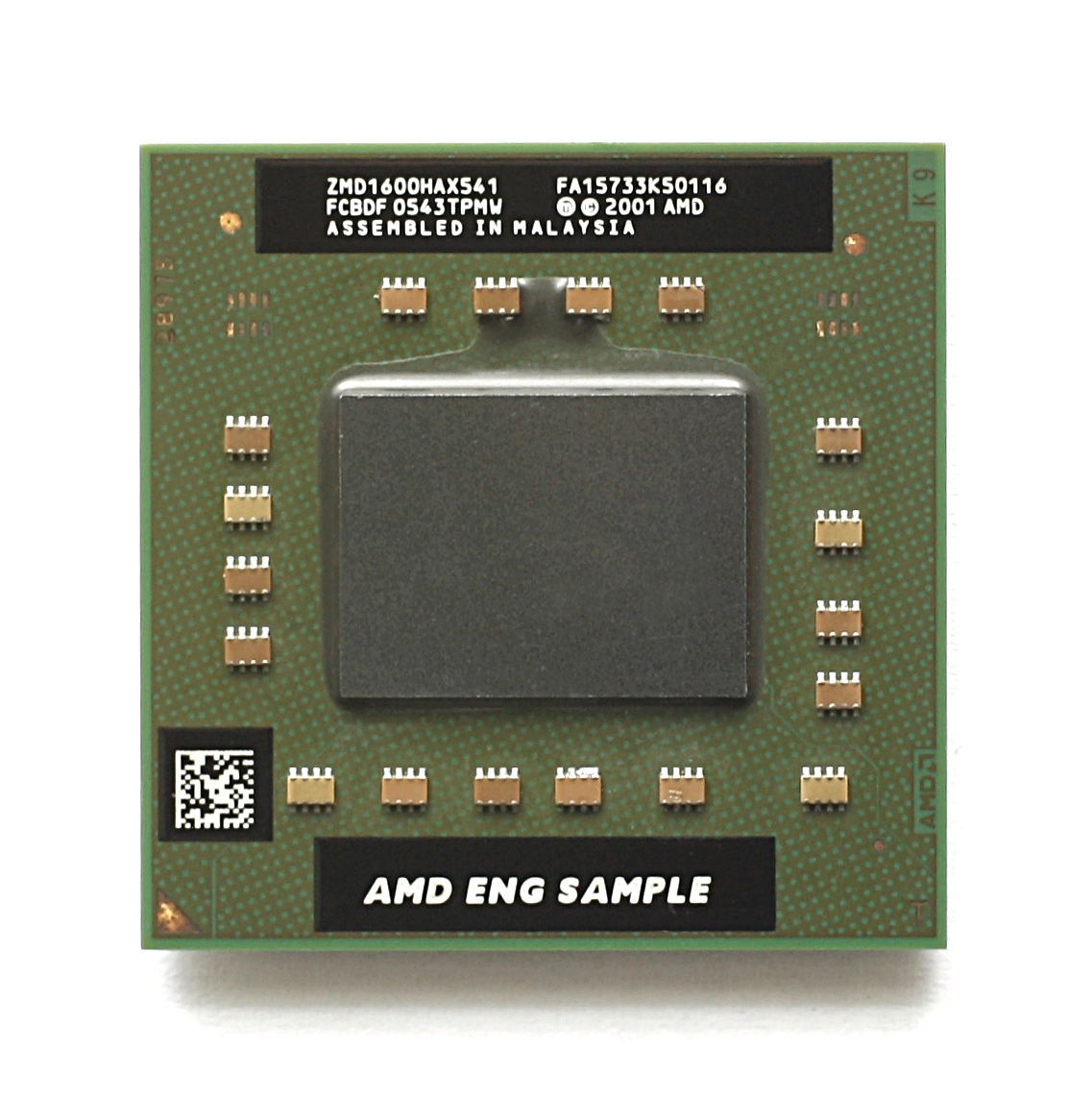 WorldTurion 64 X2
Dual-core mobile processor from AMD for laptopsCPU · x86 · 2006
🇺🇸 United StatesPower Processing Element
64-bit PowerPC core for PlayStation 3 and Xbox 360CPU · Power · 2005
🇺🇸 United StatesPhysX P1
Dedicated microprocessor for video game physics calculationsCPU · MIPS · 2006
WorldMicrowatt
Open source soft core for Power ISA 3.0CPU · Power · 2019
WorldOpenRISC 1200
Open source 32-bit RISC processor core for embedded systemsCPU · RISC · 2000
 🇺🇸 United StatesXScale
ARM-based microarchitecture for mobile and embedded processors designed by Intel and later Marvell.CPU · Arm · 2002
Photo credits on this page
The small pictures above come from Wikimedia Commons under free licences. Some are cropped to fit.
- Pentium M: Raimond Spekking, CC BY-SA 4.0, source
- XScale: Raimond Spekking, CC BY-SA 4.0, source
- IBM z10: TreyGeek, Public domain, source
- SPARC64 V: 223系新快速, CC BY-SA 4.0, source
- POWER4: Henriok, CC0, source
- POWER6: Henriok, CC0, source
- Kentsfield: MrBurns, CC BY-SA 3.0, source
- VIA Nano: VIA Gallery, CC BY 2.0, source
- UltraSPARC T2: David Halko, CC BY-SA 3.0, source
- UltraSPARC T1: ZyMOS, CC BY-SA 4.0, source
- UltraSPARC III: Konstantin Lanzet, CC BY-SA 3.0, source
- Cyrix III: Konstantin Lanzet, CC BY-SA 3.0, source
- Turion 64 X2: Konstantin Lanzet, CC BY 3.0, source