
Intel 1103
First commercially available DRAM integrated circuit
The Intel 1103 is a dynamic random-access memory chip released in October 1970. It was the first DRAM to reach the market, replacing magnetic-core memory in many systems due to its small size and lower cost.
- First commercially available DRAM IC
- Released in October 1970 by Intel
- Replaced magnetic-core memory in many systems
- Based on Honeywell three-transistor cell design
- Shipped 250,000 units by June 1974
What it is
The Intel 1103 is a dynamic random-access memory integrated circuit. It holds one kilobit of data and uses an 8 micrometre p-channel metal-oxide-semiconductor process. Intel introduced it in October 1970 as the first DRAM chip sold commercially. Its compact physical form and lower price compared to magnetic-core memory allowed it to replace older storage technologies in many computer systems.
How it came about
William Regitz and his team at Honeywell invented a three-transistor dynamic memory cell in 1969. They sought a manufacturer for the design, and Intel responded to the opportunity. Joel Karp led the development at Intel, working closely with Regitz. The company created two similar chips, the 1102 and the 1103, but only the latter entered production. Initial manufacturing yields were low, requiring five mask revisions before large quantities became available in 1971.
Inside the chip
This chip stores data using dynamic cells that require periodic refreshing. It employs p-MOS logic technology on an 8 micrometre node. The device fits into an 18-pin dual in-line package. Its architecture relies on a three-transistor cell design originally conceived at Honeywell. This structure allowed for higher density than previous static memory options, enabling the small physical footprint that distinguished it from core memory modules.
How it was made
Intel fabricated the initial units using an 8 micrometre p-MOS process. Early production faced yield challenges, delaying widespread availability until 1971. Microsystems International became the first second-source manufacturer in 1971. Other companies, including National Semiconductor, Signetics, and Synertek, later produced the chip as well. By June 1974, Intel had shipped its 250,000th unit.
Where it went
The 1103 found use in various computing systems of the early 1970s. It served as main memory in machines such as the HP 9800 series and the PDP-11. Clones of the PDP-10, specifically the MAXC, also utilized this DRAM. Its adoption helped transition computers away from bulky magnetic-core memory toward semiconductor-based storage solutions.
Versions and family
Intel developed the 1102 alongside the 1103, but only the 1103 reached the market. A ceramic C1103 variant exists. Several other manufacturers produced compatible versions after 1971. These second sources included Microsystems International, National Semiconductor, Signetics, and Synertek. The chip remained in production until 1979.
Why it matters
As the first commercially available DRAM, the 1103 changed how computers stored data. It displaced magnetic-core memory in many applications due to its size and cost advantages. The success of this chip established Intel as a major player in the memory market during the 1970s. It paved the way for subsequent generations of higher-density semiconductor memory.
Questions people ask about Intel 1103
Who invented the memory cell used in the Intel 1103?
William Regitz and his colleagues at Honeywell invented the three-transistor dynamic memory cell in 1969. Intel then developed the chip based on this design under the leadership of Joel Karp.
Why did the Intel 1103 replace magnetic-core memory?
The 1103 offered a smaller physical size and a lower price compared to magnetic-core memory. These advantages made it a more attractive option for many computer applications in the early 1970s.
Which other companies manufactured the Intel 1103?
Microsystems International became the first second source in 1971. Later, National Semiconductor, Signetics, and Synertek also manufactured the chip, helping to increase its availability in the market.
Good reading and sources
The facts on this page come from the Wikipedia article "Intel 1103", written by its contributors and used under the CC BY-SA 4.0 licence, and from its Wikidata record (CC0). EveryChip rewrote the text in its own words, with AI assistance, and compares every page with the article to make sure no passage is copied. It may be reused under the same CC BY-SA 4.0 licence with a link back.
It may contain mistakes, and figures change over time. Nothing here is investment or buying advice. If something is wrong, tell us. Last refreshed 2026-11-14.
Like Intel 1103
All memory chips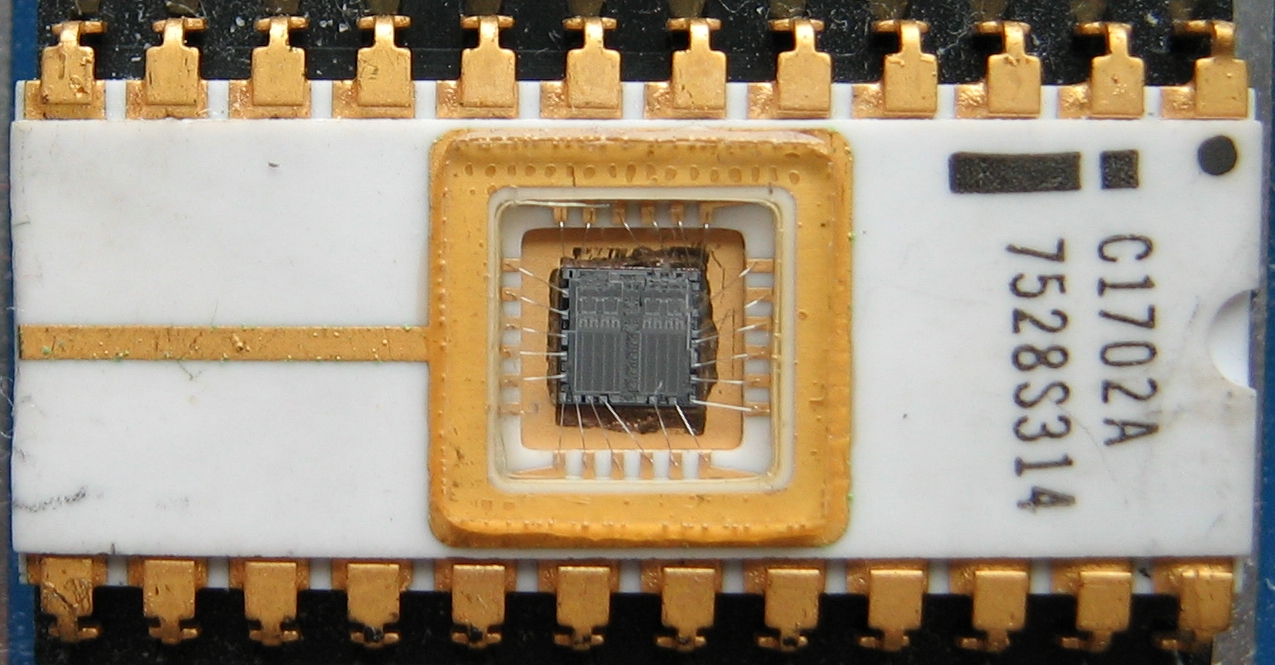 🇺🇸 United StatesEPROM
Non-volatile memory chip erased by ultraviolet lightMemory · 1971
 🇰🇷 South KoreaDDR2 SDRAM
Second-generation double data rate memory standard for computers.Memory · 2003
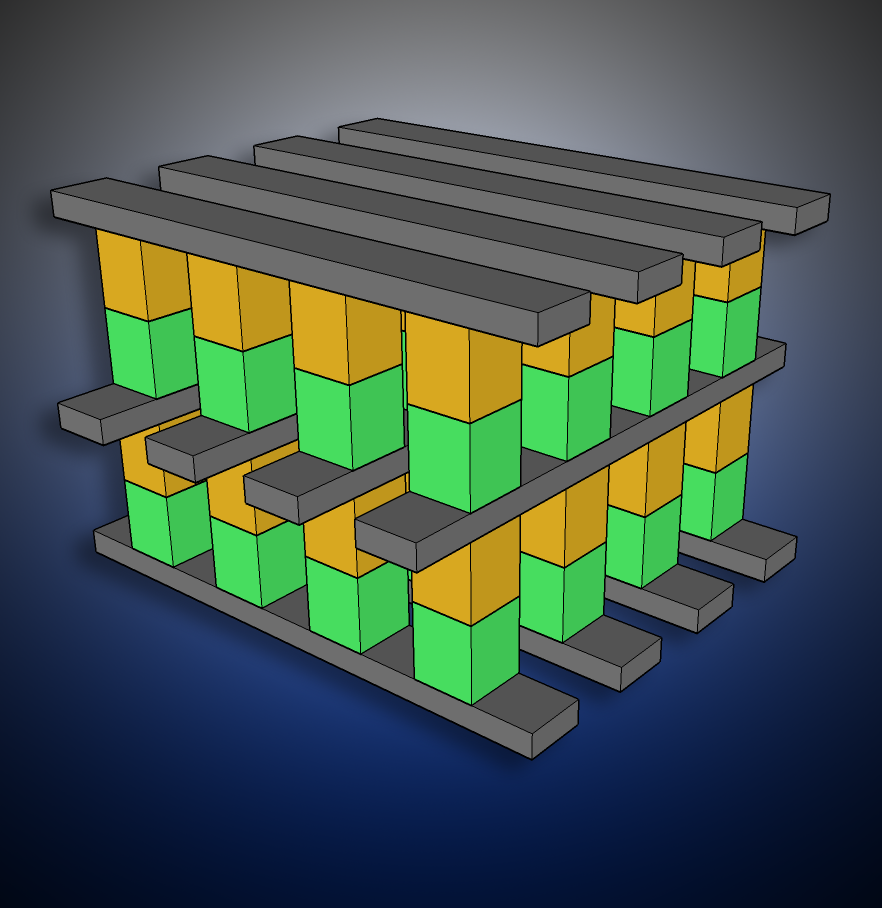 🇺🇸 United States3D XPoint
Non-volatile memory from Intel and Micron, sold as OptaneMemory · 2015
 🇺🇸 United States and 2 moreEEPROM
Byte-erasable non-volatile memory for small data storageMemory · 1978
More from Intel
All of them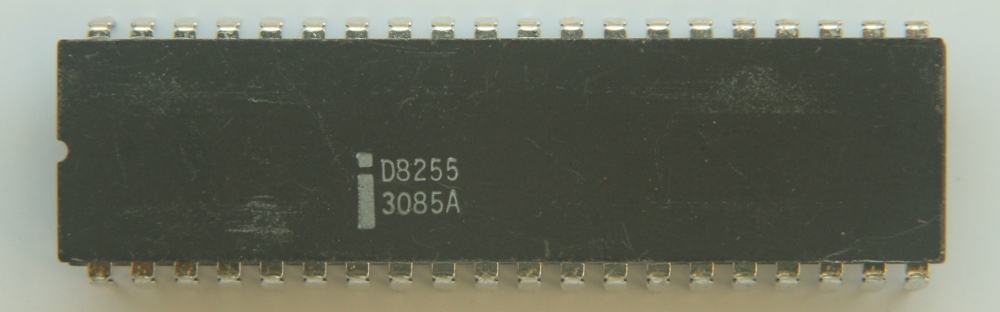 🇺🇸 United StatesIntel 8255
Programmable parallel input/output interface chip for early microprocessorsAnalog · 1970
 🇺🇸 United StatesIntel 4004
The first commercial microprocessor, a 4-bit chip released by Intel in 1971.CPU · Other · 1971
 🇺🇸 United StatesUART
Chip for serial data communication between devicesAnalog · 1971
 🇺🇸 United StatesIntel 8008
Early 8-bit microprocessor from Intel, launched April 1972CPU · 8-bit · 1972