
Kelvin
Nvidia GPU microarchitecture for GeForce 3 and 4 series
Kelvin is a graphics processing unit microarchitecture developed by Nvidia and released in 2001. It succeeded the Celsius design and powered the GeForce 3 and 4 series, introducing support for DirectX 8.0 and improved memory compression.
- Released in 2001 as successor to Celsius
- Supported DirectX 8.0 and Shader Model 1.3
- Used in GeForce 3, GeForce 4 and Xbox
- Featured Z compression for memory efficiency
- Manufactured on 150 nm process node
What it is
Kelvin is a graphics processing unit microarchitecture created by Nvidia. It launched in 2001 as the follow-up to the Celsius design. This architecture underpinned the GeForce 3 and GeForce 4 product lines. It brought support for DirectX 8.0 and Shader Model 1.3 to personal computers. The name references William Thomson, also known as Lord Kelvin. Although not used in initial marketing, the term became standard through Linux driver development and later official Nvidia documentation.
How it came about
Nvidia developed Kelvin to replace the older Celsius microarchitecture. The design debuted in 2001 with the launch of the GeForce 3 series. It remained in use through the GeForce 4 era, ending around 2003. The public adoption of the codename came later, driven by the open source nouveau driver community before appearing on Nvidia’s own website. This naming convention honors the physicist William Thomson.
Inside the chip
The architecture introduced a new memory controller featuring Z compression. This technique reduces the bandwidth needed for depth data in 3D rendering. Maximum video memory support increased to 128 megabytes. Graphics capabilities included OpenGL 1.2, with updates to version 1.5 in some implementations. It supported Vertex Shader 1.1 and Shader Model 1.3. For the original Xbox console, the chip supported DirectX 8.1 and OpenGL 1.4.
How it was made
Chips in this family were manufactured using a 150 nanometre process node. Transistor counts varied significantly across different models. The NV20 chip contained 57 million transistors. The NV25 and NV28 designs each held 63 million transistors. Smaller variants like the Crush11 had 20 million transistors, while the NV17 and NV18 contained 29 million each. The Xbox-specific NV2A also featured 57 million transistors.
Where it went
Kelvin powered the GeForce 3 and GeForce 4 series of graphics cards for personal computers. These cards were used in gaming rigs and workstations requiring 3D acceleration. A customized version of the architecture, known as NV2A, served as the graphics processor for the original Microsoft Xbox console. This allowed the console to leverage similar rendering techniques as contemporary PC hardware.
Versions and family
The family includes several distinct chip designs. The GeForce 3 series relied on the NV20. The GeForce 4 lineup expanded to include the NV25 and NV28 for high-end models. Mid-range and entry-level parts used the NV17, NV18, and Crush11 designs. The NV2A was a specific variant built for the Xbox gaming console. Kelvin succeeded the Celsius microarchitecture and was eventually replaced by Rankine.
Why it matters
Kelvin established Nvidia’s support for DirectX 8.0 features on consumer hardware. It enabled more complex vertex shading and improved memory efficiency through Z compression. The architecture helped solidify Nvidia’s position in the early 2000s graphics market. Its use in the original Xbox extended its reach beyond the PC sector. The codename itself became part of the standard lexicon for Nvidia GPU generations.
Questions people ask about Kelvin
What products used the Kelvin microarchitecture?
Kelvin was used in the Nvidia GeForce 3 and GeForce 4 series of graphics cards. It also powered the graphics processor in the original Microsoft Xbox console, known as the NV2A.
What was the manufacturing process for Kelvin chips?
The chips were built using a 150 nanometre process node. Transistor counts ranged from 20 million in smaller variants to 63 million in high-end models like the NV25.
Why is it called Kelvin?
The codename references William Thomson, 1st Baron Kelvin. While not used in initial marketing, the name was adopted by the nouveau Linux driver community and later by Nvidia.
Good reading and sources
The facts on this page come from the Wikipedia article "Kelvin (microarchitecture)", written by its contributors and used under the CC BY-SA 4.0 licence, and from its Wikidata record (CC0). EveryChip rewrote the text in its own words, with AI assistance, and compares every page with the article to make sure no passage is copied. It may be reused under the same CC BY-SA 4.0 licence with a link back.
It may contain mistakes, and figures change over time. Nothing here is investment or buying advice. If something is wrong, tell us. Last refreshed 2026-11-14.
Like Kelvin
All graphics processors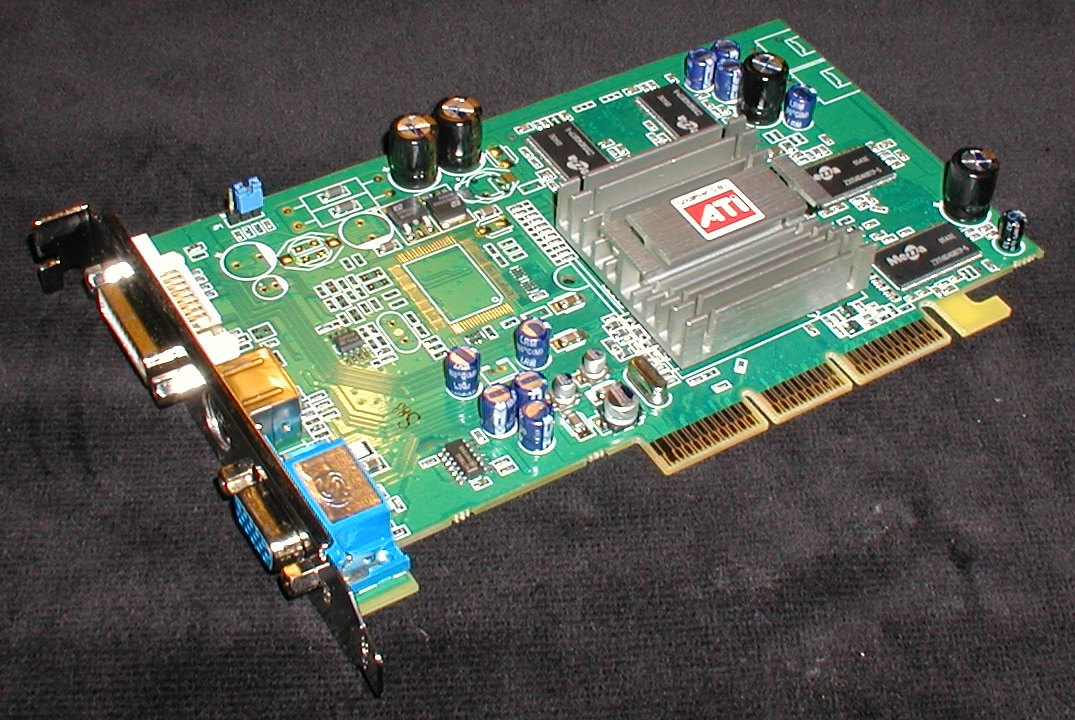 🇨🇦 CanadaRadeon R200
Second-generation ATI GPU with DirectX 8.1 supportGPU · GPU architecture · 2001
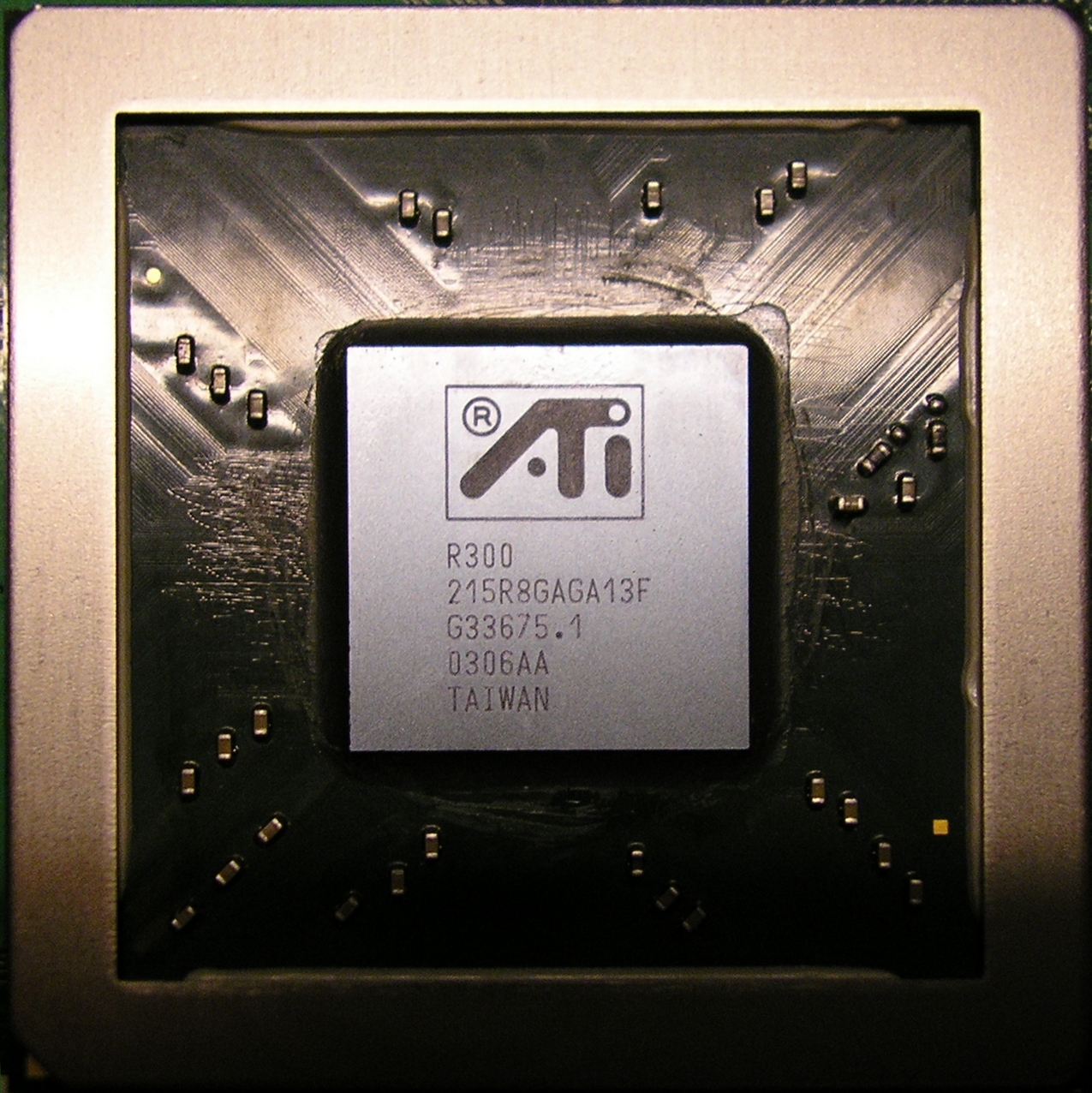 🇨🇦 CanadaRadeon R300
First consumer GPU with full Direct3D 9 supportGPU · GPU architecture · 2002
🇺🇸 United StatesRadeon
Brand of graphics processors and computer products by AMDGPU · GPU architecture · 2000
 🇺🇸 United StatesVoodoo 5
Final graphics card series from 3dfx InteractiveGPU · GPU architecture · 2000
More from Nvidia
All of them WorldGeForce 3 series
Third-generation Nvidia GPU with programmable shadersGPU · GPU architecture · 2001
 WorldGeForce 4 series
Fourth generation of Nvidia GeForce graphics processorsGPU · GPU architecture · 2002
 WorldGeForce 2 series
Second-generation Nvidia graphics processors from 2000GPU · GPU architecture · 2000