Other in-house fabs
Motorola, AMD before 2009, NEC, Toshiba, Fujitsu, Hitachi, Zilog, MOS and others that made their own chips. 89 chips on EveryChip so far.
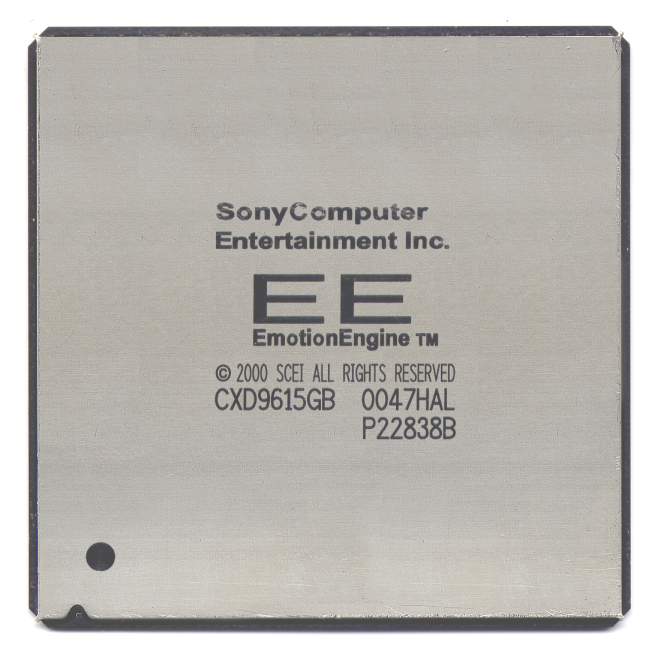
For most of chip history, companies that designed chips also made them. Motorola, AMD (until 2009), NEC, Toshiba, Fujitsu, Hitachi, DEC, National Semiconductor, Fairchild, Zilog, MOS Technology, Sony and many others ran their own fabs. Japanese firms led memory in the 1980s, and several of today's foundries and memory makers grew out of these in-house fabs.
The integrated era
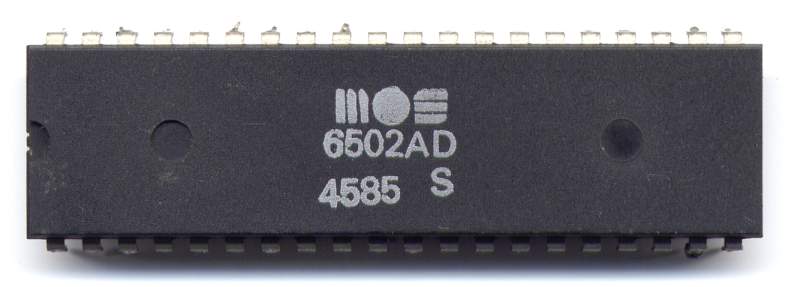
In the 1970s and 1980s, owning a fab was part of being a chip company, and process and design were developed together. MOS Technology's fab made the 6502 cheaply enough to start the home computer boom. DEC made its Alpha processors in Hudson, Massachusetts. In the 1980s Japanese firms such as NEC, Toshiba and Hitachi made most of the world's DRAM, which led to the US-Japan semiconductor agreement of 1986.
The move to foundries
As each new node cost more, most firms could no longer afford to keep up. Some merged their fabs, as Hitachi, NEC and Mitsubishi did to form Elpida and Renesas; others spun them off, as AMD did with GlobalFoundries; many closed them and turned fabless. Sony still makes image sensors in its own fabs, and Infineon, ST and NXP keep fabs for their power, car and analog chips.
Famous other in-house fabs chips



Further reading
Nothing matches those filters yet. Take one off, or check back: new pages are written every day.
Photo credits on this page
The small pictures above come from Wikimedia Commons under free licences. Some are cropped to fit.
- Emotion Engine: Unknown author, CC BY-SA 3.0, source
- MOS Technology 6502: Dirk Oppelt, CC BY-SA 3.0, source
- Motorola 68000: en:User:ArnoldReinhold, CC BY-SA 3.0, source
- AMD K9: The original uploader was Smial at German Wikipedia . ( Original text:, CC BY-SA 2.0 de, source
- Alpha 21064: Dirk Oppelt, CC BY-SA 3.0, source
- Athlon 64: Astraera, CC BY-SA 4.0, source