
Motorola 68012
32-bit microprocessor with extended memory and virtualization support
The Motorola MC68012 is a 16/32-bit microprocessor released in 1982 as an enhanced successor to the 68000. It features a 31-bit address bus allowing up to 2 GiB of direct memory access and includes hardware improvements for virtual memory systems.
- Released in 1982 as a successor to the 68000
- Features a 31-bit address bus for 2 GiB memory
- Packaged in an 84-pin pin grid array
- Contains 69,000 transistors
- Supports virtual memory and loop mode acceleration
What it is
The Motorola MC68012 is a microprocessor from the 68000 family, launched in 1982. It serves as an upgraded version of the earlier 68000 chip, offering better support for modern operating system features. The primary distinction of this model is its expanded addressing capability, which allows it to access up to 2 gigabytes of memory directly. This makes it suitable for more complex computing tasks that require larger data spaces than its predecessor could handle.
How it came about
Motorola designed the 68012 to address limitations found in the original 68000. Released in 1982, it was part of a pair of updates that included the 68010. The goal was to fix small architectural flaws and add features required for virtualization. While the 68010 maintained pin compatibility with the older chip, the 68012 introduced a new package format to support its wider address bus and additional control signals for multiprocessor systems.
Inside the chip
This processor uses a 31-bit address width, a significant increase from the 24 bits found in the 68000 and 68010. It contains 69,000 transistors and operates at speeds between 8 MHz and 16.67 MHz. A key feature is the loop mode, which accelerates specific instruction sequences by holding them in a small internal cache. It also includes a Vector Base Register for flexible exception handling and a read-modify-write pin to assist with memory consistency in multi-processor setups.
How it was made
The chip is packaged in an 84-pin pin grid array (PGA). This larger package was necessary to accommodate the extra pins required for the extended address lines and the new read-modify-write cycle signal.
Where it went
Due to its enhanced memory capabilities, the 68012 was targeted at systems requiring virtual memory support. However, the 68010 variant saw more widespread adoption in Unix workstations like the Sun-2 and AT&T UNIX PC. The 68012’s specific features were intended for advanced multiprocessor designs. Some users of Amiga or Atari ST systems later swapped in 68010 chips for minor speed gains, though the 68012 was less common in consumer retro-fitting due to its different pin layout.
Versions and family
The 68012 is closely related to the MC68010. Both were released in 1982 as successors to the 68000. The 68010 retained the 24-bit address bus and pin compatibility with the 68000, making it easier to adopt. The 68012 broke this compatibility with an 84-pin package and a 31-bit address bus. The next major evolution in the line was the Motorola 68020, which fully implemented 32-bit addressing and processing.
Why it matters
The introduction of the 68012 helped pave the way for 32-bit computing environments on Motorola hardware. By extending the addressable memory to 2 GiB, it allowed software developers to move beyond the 16 MiB limit of the earlier chips. However, its impact was tempered by the popularity of the pin-compatible 68010 and the eventual arrival of the more powerful 68020. It remains a notable step in the transition from 16/24-bit to full 32-bit architectures.
Problems and reception
The expansion of the address space caused issues for software that was not 32-bit clean. Programs that used the high byte of an address for data storage, a common trick on 24-bit systems, would fail on the 68012. This similarity to problems seen with the 68020 meant that software had to be carefully written to be portable across the newer generations of the Motorola 68000 series.


Questions people ask about Motorola 68012
What is the main difference between the 68010 and 68012?
The 68010 has a 24-bit address bus and is pin-compatible with the 68000. The 68012 has a 31-bit address bus, supports up to 2 GiB of memory, and uses an 84-pin package.
How much memory can the Motorola 68012 address?
The MC68012 can directly access up to 2 gigabytes of memory thanks to its 31-bit address width, a significant increase over the 16 megabyte limit of the 68000.
Why did some software fail on the 68012?
Programs that were not 32-bit clean often used the high byte of the 24-bit address for data storage. The 68012's wider address bus made this trick invalid, causing errors in older software.
Good reading and sources
The facts on this page come from the Wikipedia article "Motorola 68010", written by its contributors and used under the CC BY-SA 4.0 licence, and from its Wikidata record (CC0). EveryChip rewrote the text in its own words, with AI assistance, and compares every page with the article to make sure no passage is copied. It may be reused under the same CC BY-SA 4.0 licence with a link back.
It may contain mistakes, and figures change over time. Nothing here is investment or buying advice. If something is wrong, tell us. Last refreshed 2026-11-14.
Like Motorola 68012
All CPUs and microprocessors 🇺🇸 United StatesMotorola 68008
8-bit bus variant of the Motorola 68000 microprocessorCPU · 68k · 1982
 🇺🇸 United StatesMotorola 68020
32-bit microprocessor with on-chip cache and full data pathsCPU · 68k · 1984
 🇺🇸 United StatesMotorola 68000
A 16/32-bit CISC microprocessor introduced by Motorola in 1979CPU · 68k · 1979
🇺🇸 United StatesMotorola 68000 series
32-bit CISC microprocessor family from MotorolaCPU · 68k · 1979
More from Motorola
All of them
🇺🇸 United StatesMotorola 68010
16/32-bit microprocessor with virtual memory support from 1982CPU · 68k · 1982
🇺🇸 United StatesIntel 8061
Automotive microcontroller for Ford engine control unitsMicrocontroller · Other · 1983
 🇺🇸 United StatesMotorola 68HC11
8-bit microcontroller family for embedded systemsMicrocontroller · 68k · 1984
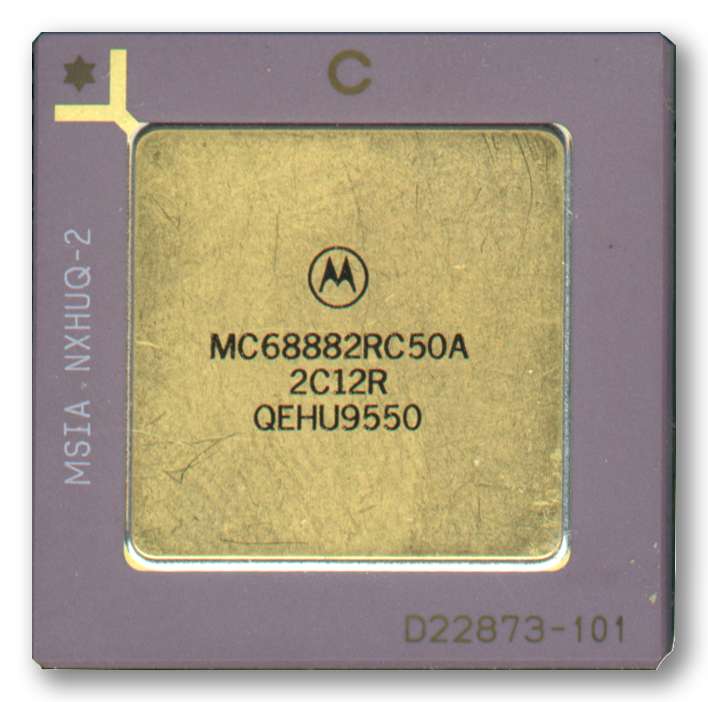 🇺🇸 United StatesMotorola 68881
External floating-point coprocessor for Motorola 68020 and 68030 CPUsAnalog · 68k · 1984