Intel 8061
Automotive microcontroller for Ford engine control units
The Intel 8061 is a microcontroller designed for the Ford EEC-IV engine management system. Built on a 3-micrometre process, it managed fuel and ignition in vehicles from 1983 through the late 1990s.
- Used in Ford EEC-IV engine controllers from 1983
- Features unique 11-wire M-Bus memory interface
- Built on 3-micrometre N-MOS silicon-gate process
- Includes 8-channel event capture and 10-channel pulse output
What it is
The Intel 8061 is a specialised microcontroller developed for automotive applications. It served as the central processor in the Ford EEC-IV engine control unit. This chip managed critical engine functions such as fuel injection timing, mixture control, and spark advance. Manufactured using a 3-micrometre N-MOS process, it was produced by Intel and second-sourced by Toshiba and Motorola. Its design prioritised specific input and output capabilities for real-time engine monitoring over general-purpose computing features.
How it came about
Intel created the 8061 as the first processor for the Ford EEC-IV family. The MCS-96 family later emerged as a commercial derivative of this automotive-specific design. Ford established its own Microelectronics facility in Colorado Springs in 1982 to further develop these custom circuits. The chip powered nearly all Ford automobiles built between 1983 and the end of the twentieth century, marking a significant shift towards electronic engine management in mass-market vehicles.
Inside the chip
The processor features a unique 11-wire M-Bus for memory access. This burst-mode interface requires memory devices to track the program counter, allowing efficient instruction fetching. It includes an 8-channel High Speed Input system for capturing timed events like crankshaft positions. A 10-channel High Speed Output system generates precise pulses for fuel injection. The chip also integrates a 10-bit analog-to-digital converter for reading sensors such as throttle angle and oxygen levels. Internal registers occupy addresses from 0010h to 00FFh.
How it was made
Manufacturing used a 3-micrometre N-MOS silicon-gate process. Intel produced the original parts, while Toshiba and Motorola served as secondary sources. Toshiba marketed the chip under model numbers 6126 and 6127. Packaging varied based on pin requirements, including plastic 68-pin flatpacks, ceramic packages, and standard 40-pin dual inline packages. This flexibility allowed integration into different engine control module designs without changing the core silicon.
Where it went
This microcontroller was the heart of the Ford EEC-IV system. It controlled fuel mixture, injection timing, and spark advance in millions of vehicles. It also managed exhaust gas recirculation and monitored various engine sensors. The chip worked alongside companion memory devices like the 8361, which stored the control software. Later modules used one-time-programmable memory to simplify logistics for different model years and engine configurations.
Versions and family
The 8065 is a notable successor with CMOS technology for lower power consumption. It supports up to 1 megabyte of memory, far exceeding the 64K limit of the 8061. The 8065 also features an enhanced instruction set and more input/output channels. The 8063 was another derivative that never reached production. These later chips retained the core architecture but improved upon the memory interface and peripheral count for more complex automotive tasks.
Why it matters
The 8061 enabled precise electronic control of internal combustion engines during a key era of automotive development. Its widespread use in Ford vehicles demonstrated the reliability of microcontrollers in harsh under-hood environments. The design influenced the subsequent MCS-96 family, which found use in broader industrial applications. By integrating timing and analog conversion on-chip, it reduced the need for external components in engine control units.
Questions people ask about Intel 8061
What vehicle system used the Intel 8061?
The Intel 8061 was the primary processor in the Ford EEC-IV engine control unit. It managed fuel injection, spark timing, and other critical engine functions in Ford automobiles built from 1983 through the late 1990s.
How does the M-Bus memory interface work?
The M-Bus is an 11-wire burst-mode interface. It requires memory devices to maintain a program counter. This allows the processor to fetch instructions sequentially without resending addresses after every data access, improving efficiency.
Who else manufactured this chip besides Intel?
Toshiba and Motorola acted as second sources for the Intel 8061. Toshiba sold the chip under model numbers 6126 and 6127. Motorola, now Freescale Semiconductor, also produced compatible versions for the automotive market.
Good reading and sources
The facts on this page come from the Wikipedia article "Intel 8061", written by its contributors and used under the CC BY-SA 4.0 licence, and from its Wikidata record (CC0). EveryChip rewrote the text in its own words, with AI assistance, and compares every page with the article to make sure no passage is copied. It may be reused under the same CC BY-SA 4.0 licence with a link back.
It may contain mistakes, and figures change over time. Nothing here is investment or buying advice. If something is wrong, tell us. Last refreshed 2026-11-14.
Like Intel 8061
All microcontrollers 🇺🇸 United States and 1 moreMCS-96
A 16-bit microcontroller family for embedded control systems.Microcontroller · Other
 🇯🇵 Japan78K
NEC and Renesas 8- and 16-bit microcontroller family for embedded control.Microcontroller · Other · 1986
 🇺🇸 United StatesIntel MCS-51
An 8-bit microcontroller series for embedded systems.Microcontroller · Other · 1980
 🇯🇵 JapanToshiba TLCS
Toshiba microcontroller families with CISC and RISC designsMicrocontroller · RISC · 1973
More from Intel
All of them 🇺🇸 United StatesMotorola 68HC11
8-bit microcontroller family for embedded systemsMicrocontroller · 68k · 1984
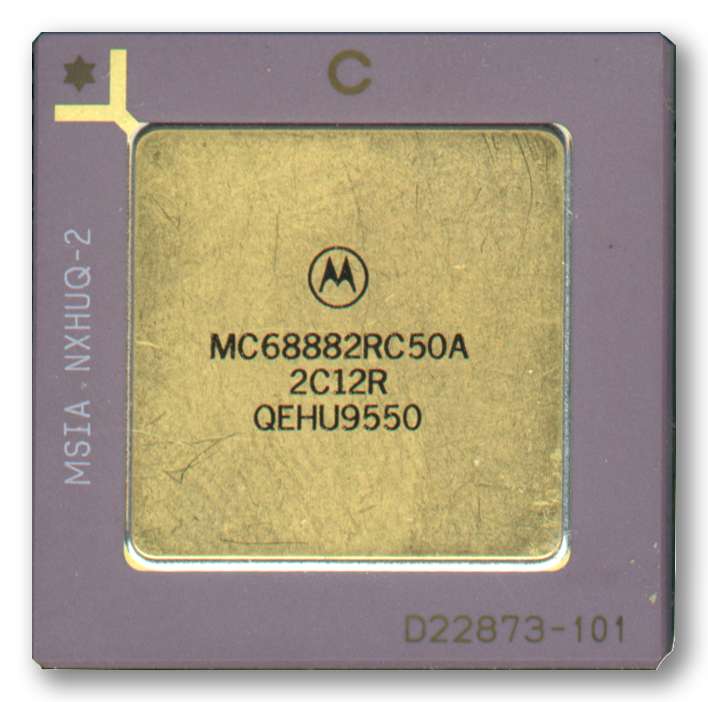 🇺🇸 United StatesMotorola 68881
External floating-point coprocessor for Motorola 68020 and 68030 CPUsAnalog · 68k · 1984
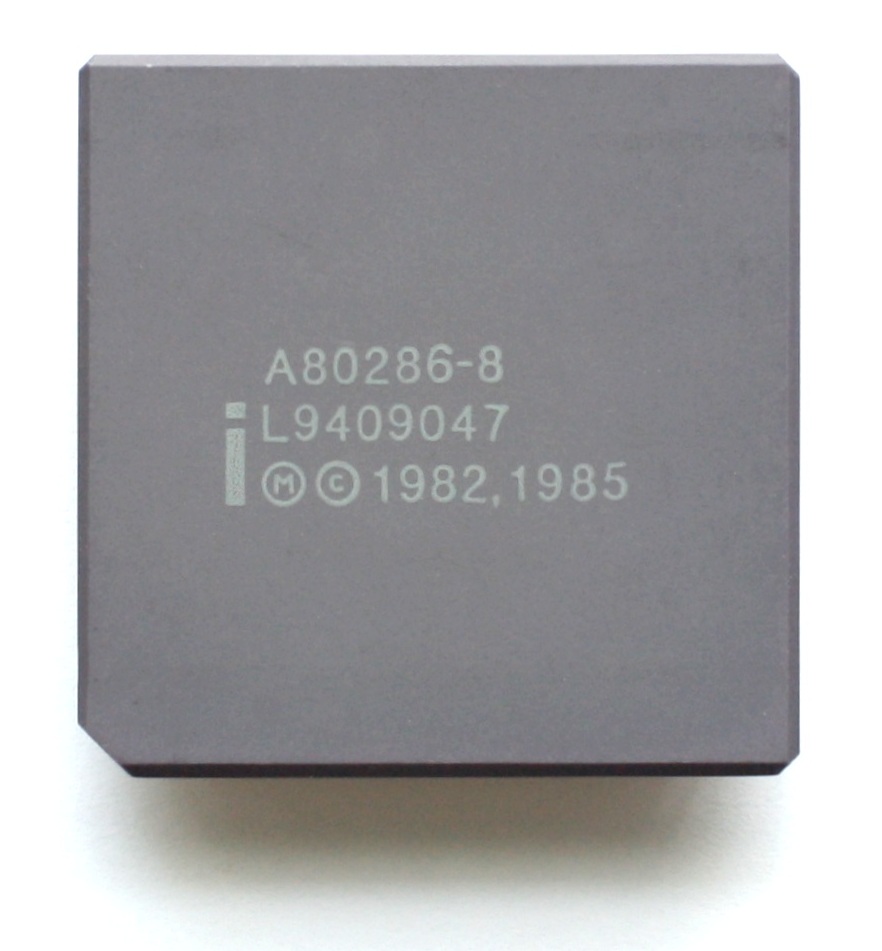 🇺🇸 United StatesIntel 80286
16-bit x86 CPU with protected mode and 24-bit addressing, launched in 1982CPU · x86 · 1982
 🇺🇸 United StatesMotorola 68008
8-bit bus variant of the Motorola 68000 microprocessorCPU · 68k · 1982