
1T-SRAM
High-density pseudo-static memory technology for embedded systems
MoSys introduced 1T-SRAM in September 1998 as a high-density alternative to traditional static random-access memory. It uses a single-transistor cell with control circuitry to mimic SRAM behaviour while offering the density of dynamic memory.
- Introduced by MoSys in September 1998
- Uses single-transistor cells like DRAM
- Featured in Nintendo GameCube and Wii
- Compatible with standard CMOS logic processes
- Four generations including quad-density variant
What it is
1T-SRAM is a pseudo-static random-access memory technology developed by MoSys. It provides a high-density option for embedded memory applications where traditional static RAM takes up too much space. The technology uses a single-transistor storage cell similar to dynamic RAM but includes control circuitry that hides refresh operations. This allows it to function like standard SRAM with a single-cycle interface. It was first introduced in September 1998 and is available as physical intellectual property for system-on-chip designs or as standalone integrated circuits.
How it came about
MoSys launched this memory technology in late 1998 to address the size limitations of conventional six-transistor SRAM cells. The design aimed to combine the speed of static memory with the density of dynamic memory without requiring complex manufacturing steps. Over time, the company released four distinct generations to meet different market needs. These iterations focused on reducing power consumption, adding error correction, and further shrinking the physical footprint of the memory arrays for advanced semiconductor processes.
Inside the chip
The architecture relies on small banks of memory cells coupled with an SRAM cache and an intelligent controller. Each bank typically holds 32 kilobits. When data is accessed, the entire row is copied to the cache. This setup allows unused banks to refresh in the background while active ones serve data. If the same row is accessed repeatedly, the cache supplies the data, giving the underlying array time to refresh. This method avoids the performance penalties usually associated with dynamic memory refresh cycles while maintaining high-speed random access.
How it was made
Manufacturing uses standard CMOS logic processes, which avoids the costly additional masks and high-temperature steps required for embedded DRAM. This compatibility protects logic transistors from heat damage during production. The technology is licensed to various foundries such as TSMC, UMC, SMIC, and Chartered. Some partners offer it as a distinct product, while others label it as embedded DRAM. The quad-density variant uses a slightly non-standard process to create smaller folded capacitors, reducing size further without interfering with logic fabrication.
Where it went
This memory type serves as main storage in several consumer electronics devices. The Nintendo GameCube was the first video game console to adopt 1T-SRAM for its main memory, using dedicated devices for this purpose. Its successor, the Wii, also utilised the technology. Beyond gaming, it is widely used in system-on-chip applications for mobile phones and other embedded systems where space and power efficiency are critical. The 1T-SRAM-M variant specifically targets mobile devices with its lower standby power consumption.
Versions and family
Four generations of the technology exist. The original version offered half the size and less than half the power of six-transistor SRAM. The 1T-SRAM-M variant reduced standby power for mobile use. The 1T-SRAM-R model incorporated error correction code to lower soft error rates, using smaller bit cells to offset area costs. The final generation, 1T-SRAM-Q, achieved quad-density by halving the size again through a specialised fabrication process for folded capacitors, though this added slight production costs.
Why it matters
The technology provided a viable alternative to embedded DRAM for many designers. It eliminated the need for expensive processing steps that could damage logic components. By offering SRAM-like performance at higher densities, it enabled more complex system-on-chip designs without sacrificing speed. Its adoption in major gaming consoles demonstrated its reliability and performance capabilities in high-bandwidth applications. The ability to integrate it into standard logic flows simplified the design process for many semiconductor manufacturers.
Questions people ask about 1T-SRAM
How does 1T-SRAM differ from standard SRAM?
Standard SRAM uses six transistors per cell, while 1T-SRAM uses only one transistor like DRAM. However, 1T-SRAM includes control circuitry that hides refresh operations, making it appear and function like fast SRAM to the rest of the system.
Which gaming consoles used this memory technology?
The Nintendo GameCube was the first console to use 1T-SRAM as its main memory storage. The subsequent Wii console also employed this technology for its memory systems, demonstrating its suitability for high-performance gaming hardware.
Why is it cheaper to manufacture than embedded DRAM?
It uses standard CMOS logic processes without the extra masks and high-temperature steps required for embedded DRAM. This avoids potential damage to logic transistors and reduces overall production complexity and cost for many foundries.
Good reading and sources
The facts on this page come from the Wikipedia article "1T-SRAM", written by its contributors and used under the CC BY-SA 4.0 licence, and from its Wikidata record (CC0). EveryChip rewrote the text in its own words, with AI assistance, and compares every page with the article to make sure no passage is copied. It may be reused under the same CC BY-SA 4.0 licence with a link back.
It may contain mistakes, and figures change over time. Nothing here is investment or buying advice. If something is wrong, tell us. Last refreshed 2026-11-14.
Like 1T-SRAM
All memory chips 🇺🇸 United StatesRDRAM
High-bandwidth serial memory developed by Rambus for PCs and consoles.Memory · 1996
 WorldGDDR3 SDRAM
Memory standard for graphics cards and game consolesMemory · 2004
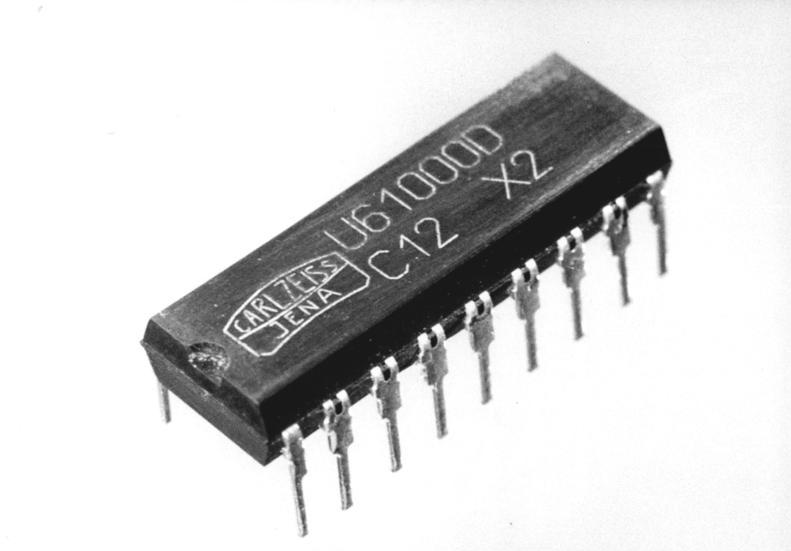 🇩🇪 GermanyU61000
First 1-Mbit DRAM chip from the German Democratic RepublicMemory · 1988
 WorldGDDR6 SDRAM
High-bandwidth graphics memory for GPUs and consolesMemory · 2017