RISC-V
The open instruction set from Berkeley: SiFive, T-Head, ESP32-C and a growing list. 19 chips on EveryChip so far.
RISC-V (pronounced risk-five) is an open instruction set started at the University of California, Berkeley, in 2010. Unlike x86 or Arm, anyone can build a RISC-V processor without paying licence fees. It has a small base set of instructions and optional extensions for multiplication, floating point, vectors and more. RISC-V cores now ship in microcontrollers, storage controllers, AI chips and some phones and laptops.
Open and modular
The specification is managed by RISC-V International, a non-profit that moved its base from the United States to Switzerland in 2020. A chip designer picks the base set and the extensions it needs, so a tiny sensor controller and a large server core can share one instruction set. Many cores are themselves published as open source, while firms such as SiFive and Andes sell commercial designs.
Who uses it
Western Digital, Nvidia and others use RISC-V cores inside their chips for control tasks. Espressif's newer ESP32 models, Raspberry Pi's RP2350 and many Chinese chips from firms such as Alibaba's T-Head use it. India has backed it through IIT Madras's Shakti and C-DAC's VEGA processors. Some US lawmakers have raised concerns about China's use of RISC-V, while others argue that open standards cannot be restricted.
Famous RISC-V chips


Further reading
Photo credits on this page
The small pictures above come from Wikimedia Commons under free licences. Some are cropped to fit.
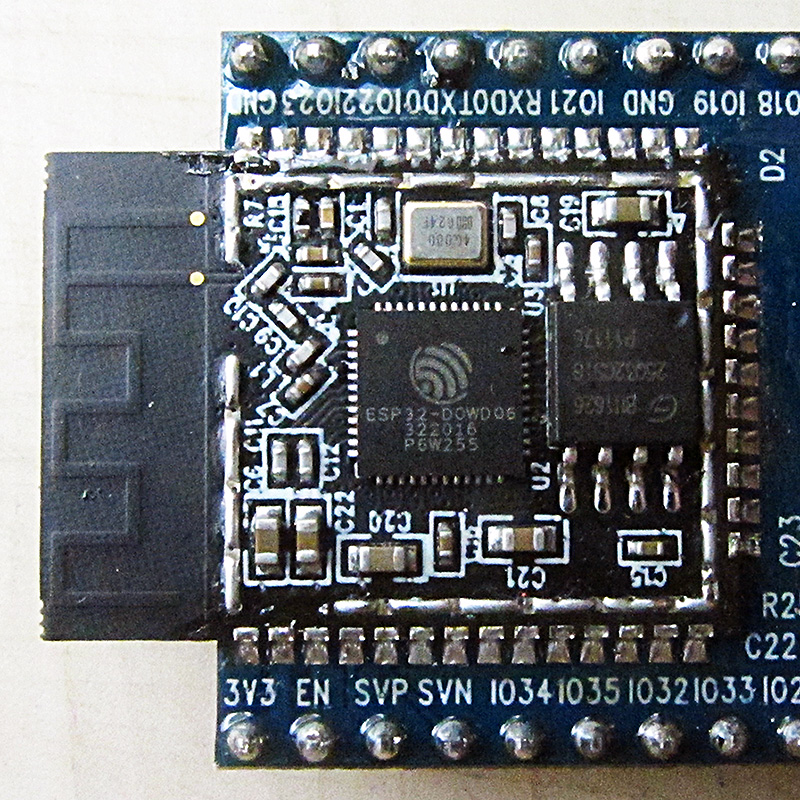
- ESP32: Brian Krent, CC BY-SA 4.0, source
- Shakti: Martin.J, CC BY-SA 3.0, source
- RP2350: Profpcde, CC0, source