Live MOS
Image sensor trademark for Four Thirds cameras
Live MOS is a trademark held by Olympus Imaging and OM Digital Solutions for image sensors used in Four Thirds System cameras. Introduced in 2006, these active pixel sensors enable live preview functions through low power use and include noise reduction technology.
- Trademark of Olympus Imaging and OM Digital Solutions
- Enabled live preview in Four Thirds cameras from 2006
- Replaced FFT CCD sensors to reduce image noise
- Used by Panasonic, Olympus, and Leica
- Covers NMOS, CMOS, and stacked BSI sensors
What it is
Live MOS is a trademark owned by Olympus Imaging Corp and later OM Digital Solutions Corp. It identifies image sensors used in digital single lens reflex cameras within the Four Thirds System. These chips are also found in Micro Four Thirds System models. The term covers various active pixel sensor types, including NMOS, CMOS, and stacked backside illuminated variants. Manufacturers such as Panasonic, Olympus, and Leica have employed these sensors in their camera bodies since 2006.
How it came about
The trademark emerged in 2006 alongside the launch of several Four Thirds System DSLR cameras. Early adopters included the Olympus E-330, Panasonic Lumix DMC-L1, and Leica Digilux 3. The branding was created to distinguish these new sensors from the FFT CCD chips used in previous generation models like the Olympus E-1 and E-300. The shift aimed to address image noise issues associated with the smaller sensor sizes of earlier cameras.
Inside the chip
These sensors function as active pixel devices. The original designation referred specifically to NMOS technology, but the name now encompasses CMOS and backside illuminated designs. A key architectural feature is low energy consumption, which allows the camera to maintain a continuous live preview on the display. The design also integrates specific noise reduction technology to improve image quality compared to older CCD based systems.
How it was made
Specific manufacturing details such as the fabrication plant or process node are not provided in the available records. The sensors are produced for use in cameras made by Panasonic, Olympus, and Leica. The technology has evolved from initial NMOS structures to more advanced stacked backside illuminated CMOS configurations over time.
Where it went
Live MOS sensors are installed in Four Thirds System DSLR cameras and Micro Four Thirds System mirrorless cameras. They serve as the primary image capture component in consumer photography equipment. The low power nature of the chip enables features such as live view framing, which was not feasible with the higher power demands of previous sensor technologies.
Versions and family
The trademark applies to a range of sensor technologies rather than a single fixed design. It started with NMOS sensors and expanded to include standard CMOS, backside illuminated CMOS, and stacked backside illuminated CMOS units. These variants are used across different camera models from multiple manufacturers within the Four Thirds ecosystem.
Why it matters
The introduction of these sensors allowed for the addition of live preview functions in most Four Thirds System cameras released after 2006. This capability changed how photographers composed images on digital SLR bodies. The technology also helped mitigate noise problems that plagued the first generation of Four Thirds DSLRs, improving the viability of the smaller sensor format.
Questions people ask about Live MOS
What is a Live MOS sensor?
It is a trademark for image sensors used in Four Thirds System cameras. The term refers to active pixel sensors, including NMOS and various CMOS types, designed for low power consumption and reduced noise.
Which companies use Live MOS sensors?
The sensors are used in cameras manufactured by Panasonic, Olympus, and Leica. The trademark is owned by Olympus Imaging Corp and later OM Digital Solutions Corp.
Why was Live MOS developed?
It was created to reduce image noise found in earlier FFT CCD sensors and to lower energy consumption. This low power use enabled the live preview function in Four Thirds System DSLR cameras.
Good reading and sources
The facts on this page come from the Wikipedia article "Live MOS", written by its contributors and used under the CC BY-SA 4.0 licence, and from its Wikidata record (CC0). EveryChip rewrote the text in its own words, with AI assistance, and compares every page with the article to make sure no passage is copied. It may be reused under the same CC BY-SA 4.0 licence with a link back.
It may contain mistakes, and figures change over time. Nothing here is investment or buying advice. If something is wrong, tell us. Last refreshed 2026-11-14.
Like Live MOS
All image and other sensors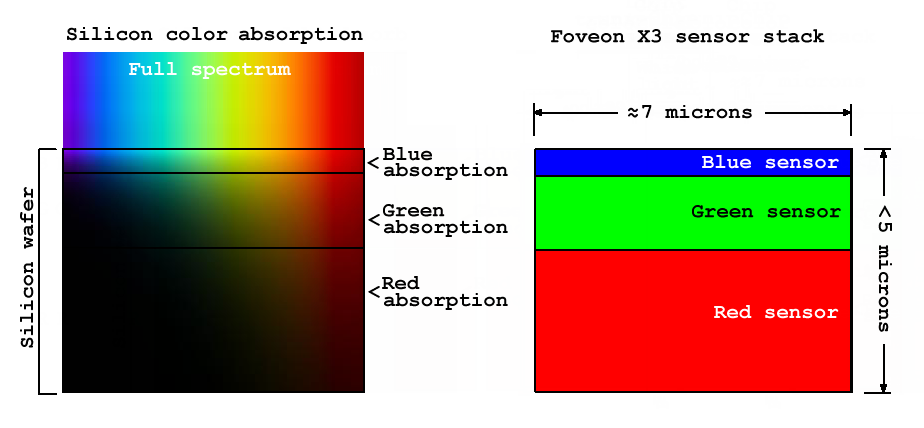 🇺🇸 United StatesFoveon X3 sensor
Image sensor using stacked photodiodes for colour captureSensor · 2002
 🇯🇵 JapanNikon CX format
Image sensor format for Nikon 1 mirrorless camerasSensor · 2011
🇯🇵 JapanMilbeaut
Image and video processing system on a chip for camerasSoC · Arm · 2000